 Dany
Dany Pilates and yoga both support weight loss, but in different ways. Pilates is more effective for building lean muscle, improving body composition, and boosting metabolism, while yoga helps reduce stress, regulate hormones, and improve eating behaviors. For most people, combining Pilates and yoga with proper nutrition leads to more sustainable weight loss results.
I get this question all the time: Should I do Pilates or yoga if I want to lose weight? I totally get the confusion. Both Pilates and yoga are everywhere, they look similar from afar, and are always listed as “healthy habits.” The truth is, it depends on your body, your goals, and how you actually practice them. I’ll break it all down here so you can make a really good choice for yourself.
As a Pilates trainer and wellness coach focused on sustainable weight loss, I’ve seen firsthand how both can work, and where people get stuck.
Too Busy? Here’s Your TL;DR
For toning and a metabolism boost, Pilates usually gives a bigger bang for your buck. Yoga is great for stress reduction and hormonal balance. Honestly, the sweet spot for weight loss is a clever mix of the two, plus smart eating and consistency. Got two minutes? That’s the takeaway.
What’s On This Post
- Quick Answer: Pilates vs Yoga for Weight Loss
- What’s Actually Important for Weight Loss
- What Is Pilates and How Does It Help with Weight Loss?
- How Pilates Can Help with Weight Loss
- Pilates for Weight Loss – My Honest Take
- Best Pilates Programs I Recommend
- What Is Yoga and Is It Effective for Weight Loss?
- Why Yoga Helps with Weight Loss
- Best Yoga Programs I Recommend
- Pilates vs Yoga for Weight Loss: Let’s Make This Clear
- So, Is Pilates or Yoga Better for Weight Loss?
- How to Mix Pilates and Yoga for the Best Results – My Recommendation
- My Go-To Pilates & Yoga Essentials (What I Recommend to Clients)
- Common Pitfalls You’ll Want to Skip
- Don’t Overlook Nutrition
- FAQs about Pilates vs Yoga for Weight Loss
- Your Best Move: Choose the One You’ll Actually Do
Quick Answer: Pilates vs Yoga for Weight Loss
Pilates is generally better for building muscle tone and boosting metabolism, while yoga is more effective for reducing stress and improving habits like sleep and mindful eating. For sustainable weight loss, combining both practices alongside proper nutrition and consistency delivers the best long-term results.
If you’re in a rush, here’s the truth:
- Want toning + visible body changes faster? -> Pilates
- Struggling with stress, cravings, emotional eating? -> Yoga
- Want sustainable weight loss? -> Combine both
If you’re starting at home, I always recommend keeping it simple: start with a good mat and resistance bands (I’ll show you my exact picks below)
What’s Actually Important for Weight Loss
Weight loss depends on a combination of consistent movement, balanced nutrition, quality sleep, and stress management, not just one workout. Pilates and yoga can support fat loss, but neither is effective alone without lifestyle consistency. Sustainable results come from combining exercise with daily habits that support overall health.
Before picking Pilates or yoga, here’s something really important: weight loss isn’t about finding the magic workout. It’s movement, nutrition, sleep, and stress management all working together.
If you’re looking for a class or a mat to totally fix everything, you’ll probably end up frustrated. I say that with love! Pilates and yoga are amazing, but nothing replaces steady effort and balanced meals. Both can speed up your progress if you stick with them and keep nutrition on point.
Both Pilates and yoga support this, but in different ways. If you rely on workouts alone, progress will feel slow (I’ve seen this happen so many times).
What Is Pilates and How Does It Help with Weight Loss?
Pilates is a low-impact, strength-focused workout that emphasizes controlled movements and core engagement. It supports weight loss by building lean muscle, improving posture, and increasing metabolism over time. While not a high-calorie-burning workout, it helps reshape the body and improve overall strength.
Pilates is all about controlled movements that mostly use your own bodyweight. You’ll hear a lot about the core, but it also hits your arms, glutes, and legs. Pilates can be done on just a mat, or with equipment (like a reformer, but you don’t need it to start). It focuses on strength, stability, posture, and muscle toning through slow, steady reps.
- Core Focused: Every exercise seems to sneakily work your core.
- Strength and Stability: There’s a lot of moves for back, hips, and shoulders.
- Toning Without Bulk: Think long, lean muscles.
How Pilates Can Help with Weight Loss
Here’s why Pilates can move the needle for weight loss:
- Builds Lean Muscle: Muscle burns more calories, even at rest. So, the more toned you are, the easier it is to stay lean.
- Boosts Metabolism: Working your core and stabilizer muscles wakes up your metabolism.
- Improves Posture: You’ll look more toned before the scale even changes; a real morale booster.
- Surprisingly Intense: Try a 45-minute class and you’ll know what I mean. I’ve seen clients feel way stronger within weeks, even if the scale takes longer to catch up.
Research also shows that resistance-based training can help improve your resting metabolic rate, which supports long-term fat loss.
One client I worked with started Pilates 3 times a week with resistance bands at home. Within 3 weeks, she noticed stronger core engagement and better posture. By week 6, her weight hadn’t dropped dramatically, but her clothes fit noticeably differently, and that’s where motivation really kicked in.
When I want to make a Pilates workout more effective at home, I always add resistance bands and Pilates ring.
Pilates for Weight Loss – My Honest Take
Pilates is effective for weight loss primarily through body recomposition rather than rapid calorie burn. It helps build strength, improve posture, and create a toned appearance. While results on the scale may take longer, consistent practice leads to visible physical changes and improved muscle definition.
I love Pilates for one simple reason: It changes how your body looks, even before the scale moves.
What I’ve seen with clients:
- Stronger core within weeks
- Better posture (you look leaner fast)
- More muscle tone -> higher metabolism
But here’s the truth:
If you’re expecting big calorie burn like HIIT, Pilates isn’t that. It’s more about toning, reshaping and and long-term results.
Best Pilates Programs I Recommend
If you’re at home, these are solid options:
- Sweat App (Pilates Programs)
– Best for structured programs and progression
– Great if you like guidance and tracking - Alo Moves
– More aesthetic, slower-paced, mindful Pilates
– Perfect if you enjoy a wellness vibe - Move With Nicole
– Free option
– Surprisingly effective (I recommend this to beginners a lot)

What Is Yoga and Is It Effective for Weight Loss?
Yoga is a mind-body practice combining movement, breathwork, and mindfulness. It supports weight loss indirectly by reducing stress, improving sleep, and encouraging healthier habits like mindful eating. While it may burn fewer calories than other workouts, it plays a key role in long-term lifestyle change.
Yoga is a mind-body practice built around breathwork, stretching, movement, and mindfulness. There are soft, slow forms (like restorative yoga) and faster, stronger styles (like vinyasa or power yoga). It’s as much about tuning into your body and quieting your mind as it is about burning calories.
- Mindfulness: You get lots of guided breathing and body awareness.
- Flexibility: Regular yoga seriously improves your reach and ease of movement.
- Stress Reduction: It’s my go-to for melting anxiety and that “frazzled” feeling after a long day.
There are many styles:
- Gentle (restorative, yin)
- Moderate (hatha)
- Intense (vinyasa, power yoga)
Why Yoga Helps with Weight Loss
Yoga supports weight loss by lowering stress levels, reducing cortisol, improving sleep quality, and promoting mindful eating behaviors. These factors help regulate appetite and reduce emotional eating, making yoga particularly effective for individuals whose weight gain is linked to stress or lifestyle habits.
Yoga’s biggest impact isn’t just physical, it’s behavioral.
Yoga’s connection to weight loss isn’t always about hard calorie burn, but it’s super important:
- Reduces Stress: Lower stress equals lower cortisol, which is the hormone that clings to belly fat.
- Improves Sleep: Less tossing and turning means better appetite control and healthier cravings.
- Mindful Eating: For a lot of people, yoga is what finally stops emotional eating or stress snacking. I hear this from my students all the time. The simple act of slowing down makes a huge difference.
For many people, yoga is what finally breaks the cycle of stress -> cravings -> overeating.
I’ve also had clients who struggled with late-night snacking and stress eating. When they added just 2 yoga sessions per week, their cravings started to settle within a couple of weeks, without changing anything else. That’s the power of stress regulation.
A non-slip yoga mat makes a huge difference, especially if you’re doing longer flows.
Best Yoga Programs I Recommend
- Yoga with Adriene
– Free and beginner-friendly
– Amazing for building consistency - Daily Yoga
– Structured plans
– Good if you want progression - Alo Moves
– Premium yoga + meditation
– Great for stress reduction and lifestyle transformation

Pilates vs Yoga for Weight Loss: Let’s Make This Clear
Pilates focuses on strength, muscle toning, and core stability, making it more effective for body sculpting. Yoga emphasizes flexibility, relaxation, and stress reduction, supporting habit-based weight loss. The key difference lies in intensity and purpose, Pilates builds muscle, while yoga improves mental and hormonal balance.
- Intensity: Pilates is usually moderate, especially with equipment. Yoga can swing from super gentle to really tough, depending on the style.
- Calorie Burn: Mat Pilates and reformer Pilates both burn a bit more than gentle yoga. Power yoga is the closest competitor.
- Muscle Toning: Pilates puts a bigger focus here, especially for the core and lower body. Yoga makes your whole body more flexible, but you do get tone from holding certain poses.
- Stress Reduction: Yoga is the winner for calming the mind and lowering stress hormones. Pilates offers some benefits here, but not the meditative aspect.
So, Is Pilates or Yoga Better for Weight Loss?
Pilates is better for improving muscle tone and physical strength, while yoga is more effective for managing stress and supporting healthy habits. For most people, combining both leads to better weight loss results, as it addresses both physical conditioning and behavioral factors that influence body weight.
If your main focus is visible toning, feeling strong, and a slight metabolic boost, Pilates is probably the move to make. If you’re feeling burnt out, stuck in a stress-eating loop, or your sleep is rough, yoga might actually move the needle more than you’d think.
For most people, including my clients who really stick with a plan, I encourage mixing the two. It gives your body different signals so nothing gets stale, and you see progress on multiple fronts (strength, calm, flexibility, better cravings control).
If I was your coach, I’d never make you pick just one. Variety actually keeps you coming back for more, and that’s really important for any long-term goal, especially weight loss.
Both Pilates and yoga can help you tune in with your body’s needs. Notice how you feel after each session: is your body energized or calm? Are you sleeping better?
Sometimes, the biggest changes aren’t just what you see in the mirror, but how you feel throughout your day. Trying both for a few weeks is the best way to spot what really works for you.
| Feature | Pilates | Yoga |
|---|---|---|
| Main focus | Strength & toning | Mind-body & flexibility |
| Calorie burn | Moderate | Low–moderate |
| Muscle building | Higher | Moderate |
| Stress reduction | Moderate | High |
| Best for | Sculpting | Stress & habits |
How to Mix Pilates and Yoga for the Best Results – My Recommendation
The most effective strategy for weight loss is combining Pilates and yoga throughout the week. Pilates sessions build strength and increase metabolism, while yoga supports recovery and stress management. Adding daily movement like walking enhances results and creates a balanced, sustainable fitness routine.
- Do Pilates two to three times per week to build muscle and core strength.
- Add yoga once or twice a week for deep stretching and stress relief.
- Sprinkle in daily walking, cycling, or any movement you love. This keeps your overall activity higher and supports weight loss goals.
What’s cool about this? If your week gets wild and you need to skip something, you don’t “fail.” You just pick up where you left off. That’s a sustainable approach, not a crash diet or crazy bootcamp.
Which One Should YOU Choose?
If I had to guide you quickly:
- Choose Pilates if you:
- Want to tone and feel stronger
- Sit a lot and have poor posture
- Like structured workouts
- Choose Yoga if you:
- Feel stressed or overwhelmed
- Struggle with emotional eating
- Need something calming
- Do both if you:
- Want the best long-term results
- Need balance between body and mind
My 3-Part Method for Sustainable Weight Loss
When I work with clients, I don’t just pick Pilates or yoga, I combine them in a way that actually supports real life.
I call it: The S.T.R. Method
- S – Strength (Pilates): builds lean muscle and improves body shape
- T – Tranquility (Yoga): reduces stress, cortisol, and emotional eating
- R – Routine (Daily Habits): walking, nutrition, sleep, this is what makes results stick
Why this works:
Most people focus only on workouts. But weight loss happens when your body, mind, and habits all work together.
When Will You See Results?
From what I’ve seen:
- Week 1-2 -> More energy, better mood
- Week 3-4 -> Improved strength, less bloating
- Week 5-8 -> Visible toning and body changes
The scale might move slower, but your body will change.
My Go-To Pilates & Yoga Essentials (What I Recommend to Clients)
To start Pilates or yoga at home, only a few essential tools are needed: a supportive mat, resistance bands, and optional accessories like a Pilates ring or smart scale. These tools improve workout effectiveness, support consistency, and help track progress, making them valuable for long-term weight loss success.
Note: This article contains affiliate products. We earn a commission if you make a purchase, at no additional cost to you.
Some of the links below may be affiliate links, which means I may earn a small commission at no extra cost to you. I only recommend tools I genuinely use or suggest to my clients.
If you’re doing Pilates or yoga at home, you honestly don’t need a lot, but the right tools make a huge difference in how consistent you stay.
Here’s what I personally recommend:
1. A Good Mat (This is NON-negotiable)
Gaiam Non-slip Pilates/Yoga Mat 10mm thick for stability during yoga or Pilates.
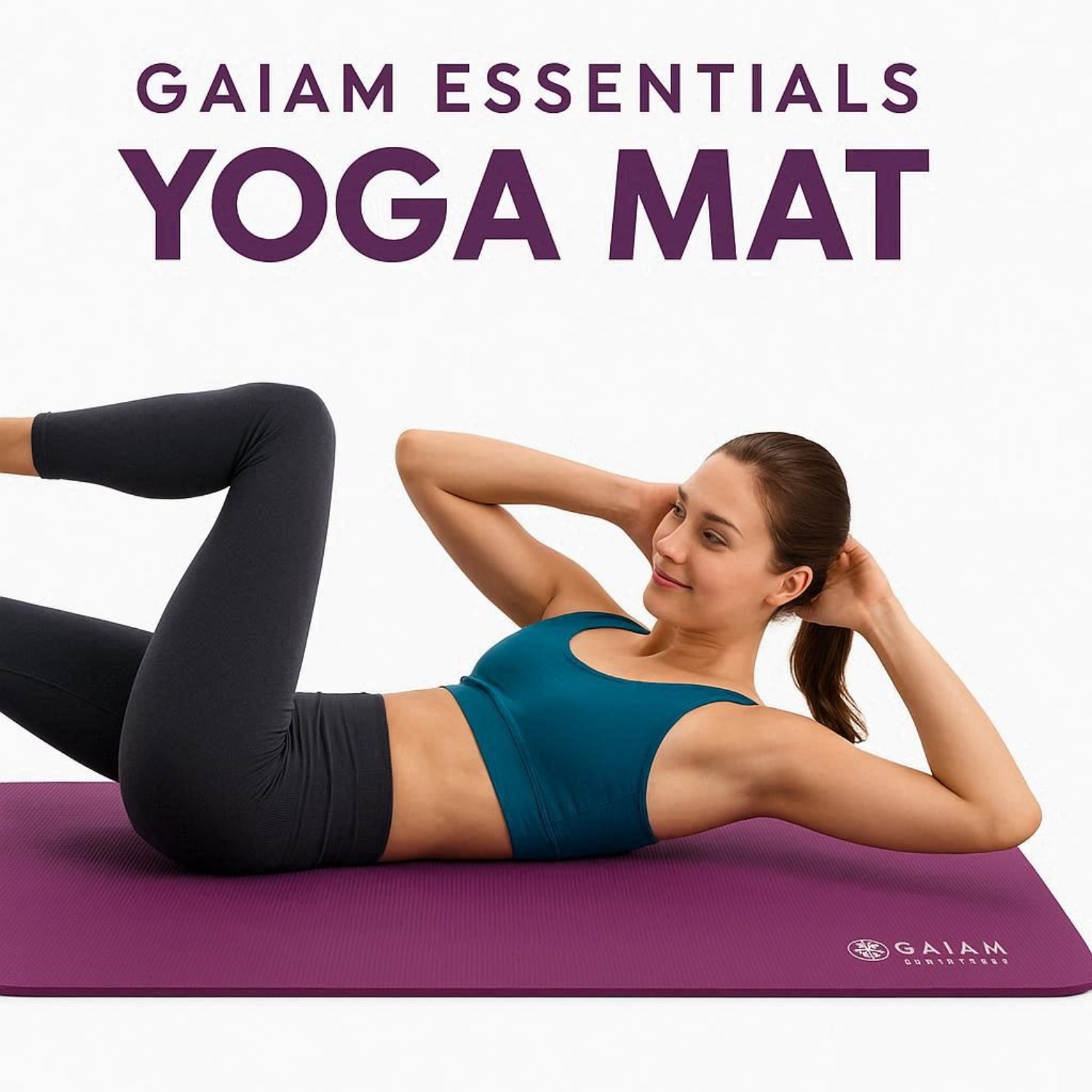
Amazon Basics Extra Thick Pilates Mat, cushioned Pilates mat for comfort and support.
Why I recommend this:
If there’s one thing I tell everyone: Don’t use a thin yoga mat for Pilates.
You need something with enough cushioning for your spine and joints, especially for core work and rolling movements.
I’ve seen so many people struggle with workouts simply because their mat was too thin or slippery.
If you’re just starting:
Go for something thicker and non-slip. It makes your workouts feel so much better, which means you’ll actually stick with it.
What I’d say as your coach:
- If you’re doing more Pilates -> go thicker (10–15mm)
- If you’re doing more Yoga -> medium thickness (6–8mm)
2. Resistance Bands (For Real Results)
Resistance Bands Set DEHUB – Set of versatile resistance bands for strength training.
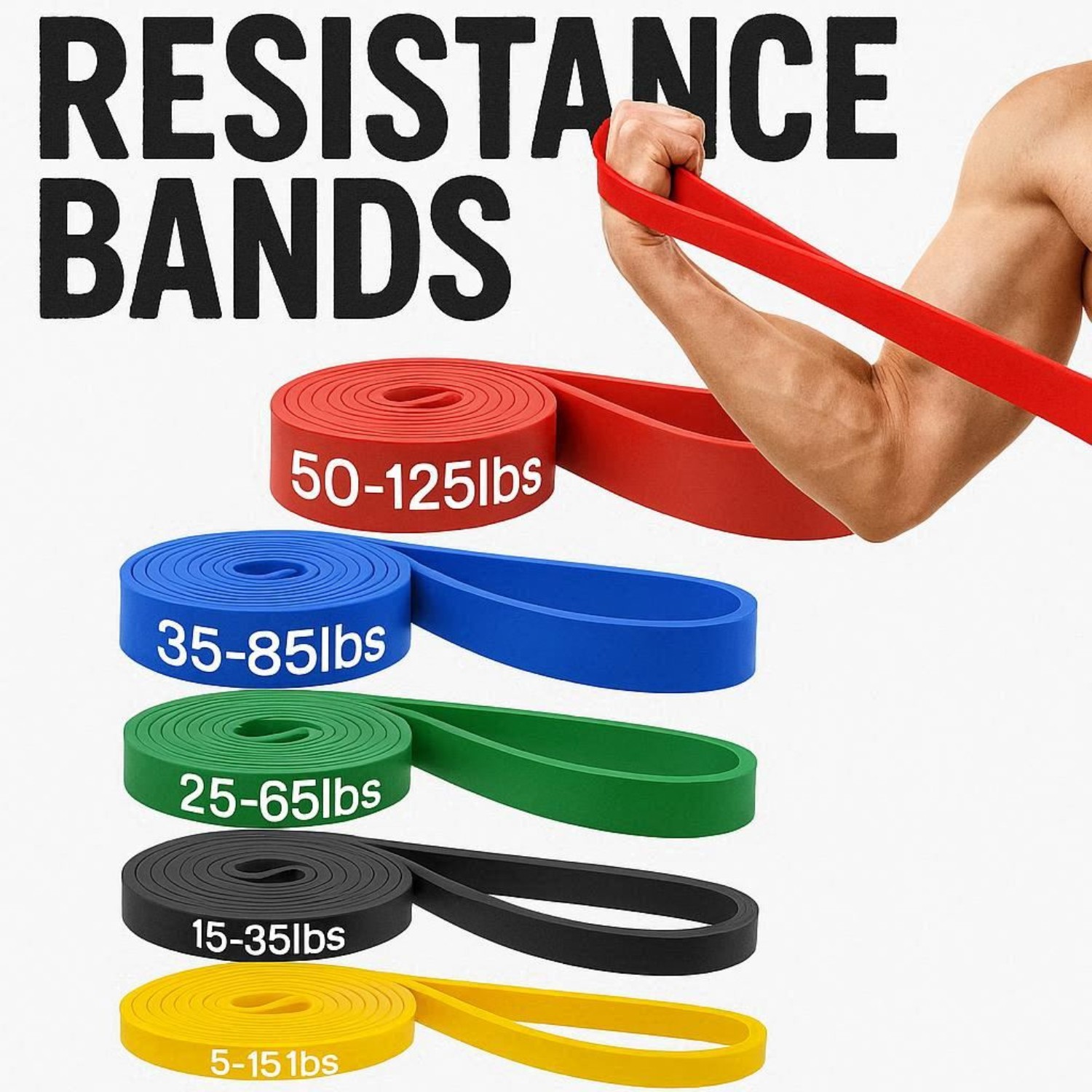
Gaiam Resistance Band Kit – Complete resistance band kit for full-body workouts.4.4

This is where Pilates becomes a game changer for weight loss.
Bands help you:
- Build lean muscle
- Increase intensity (without heavy weights)
- Actually see toning faster
I use these all the time with clients who want results at home.
Why I recommend this:
If you want that toned, sculpted look, this is what gets you there faster.
I use bands all the time because they:
- Add intensity without needing weights
- Activate muscles properly
- Make short workouts way more effective
Honestly, if I had to choose just one upgrade after a mat, it would be this.
3. Pilates Ring (Underrated but SO effective)
Head Pilates Ring•Durable Pilates ring for effective resistance training.
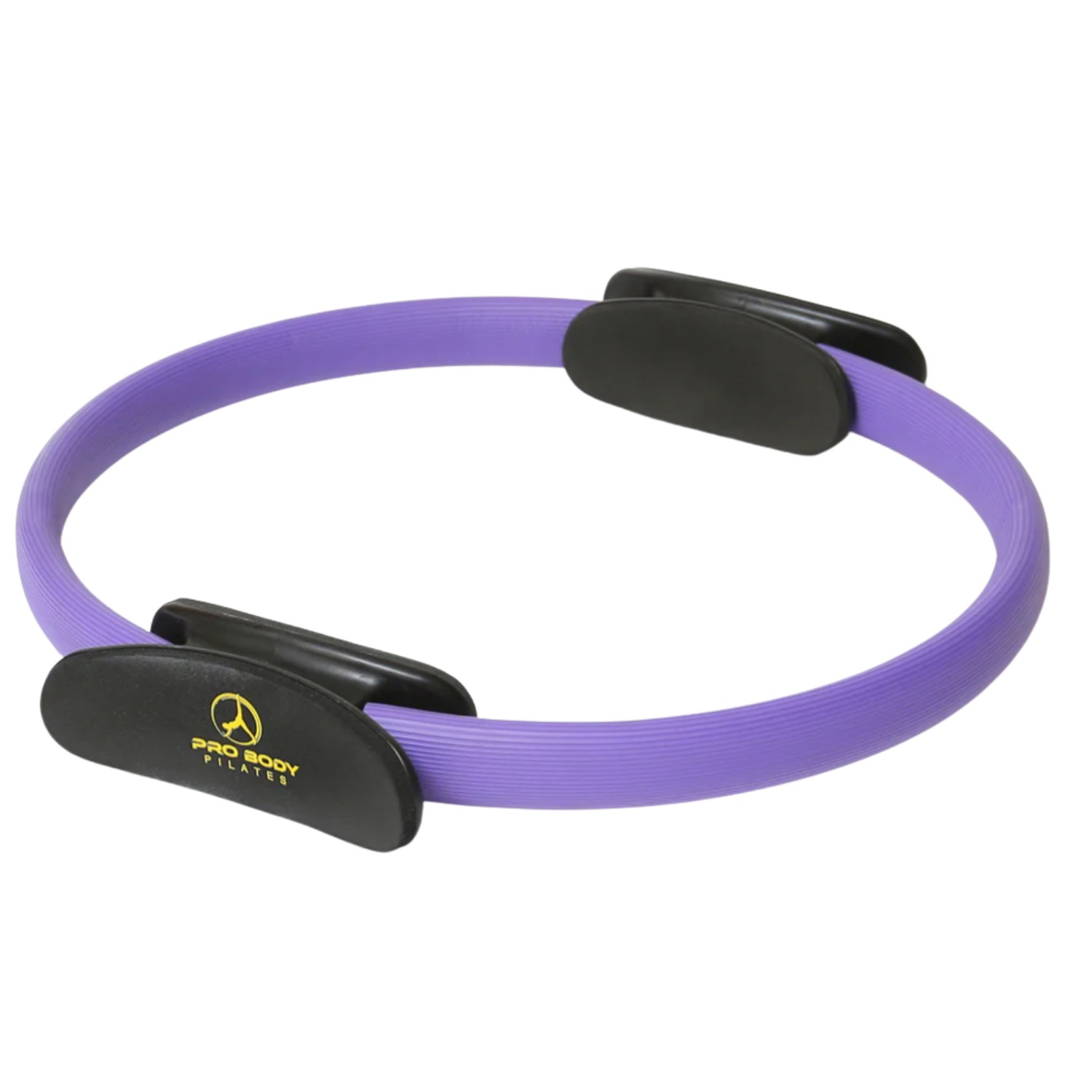
Gaiam Pilates Ring•Affordable, high-rated Pilates ring for toning.3.9
Tunturi Pilates Ring•Premium Tunturi Pilates ring with strong resistance.
Why I recommend this:
If you’ve never used one, this thing looks simple, but wow. This one surprises people.
It looks simple but it targets those hard-to-reach areas like:
- Inner thighs
- Arms
- Deep core
Basically all the “problem areas” people care about.
I usually recommend this when someone says: “I want to feel more toned, not just lose weight.”
4. Smart Scale (For Tracking Progress the RIGHT Way)
Garmin Index S2 Smart Scale1 •Tracks body composition metrics with high accuracy.4.1
Withings Body Smart Scale•Offers comprehensive health data at a competitive price.4.4
Xiaomi Body Composition Scale•High-rated scale with precise measurements and user-friendly design.4.9
Why I recommend this:
I’m not a fan of obsessing over the scale, but I am a fan of understanding your progress. The scale alone can be misleading.
But a smart scale helps you see:
- Body fat %
- Muscle gain
- Trends over time
This is way more motivating than just weight.
I always tell clients: “Track progress, not just numbers.”
Don’t Just Track Weight, Track This Instead
I always tell clients to track:
- Energy levels
- Cravings
- Sleep quality
- Mood
Because sometimes: your body improves before the scale shows it.
If You’re Just Starting (Keep It Simple)
If I were setting you up from scratch, I’d say:
Start with:
- A good mat
- Resistance bands
That’s honestly enough to build consistency and start seeing changes.
Then later add:
- Pilates ring (for toning)
- Smart scale (for tracking progress)
My Honest Recommendation (Friend-to-Friend)
Don’t fall into the trap of buying everything at once. Start with the basics, stay consistent, and upgrade as you go.
Because at the end of the day, it’s not the equipment that changes your body, it’s what you do with it consistently.
Common Pitfalls You’ll Want to Skip
Common mistakes when using Pilates or yoga for weight loss include relying only on low-intensity workouts, lacking consistency, ignoring nutrition, and expecting quick results. Sustainable weight loss requires a balanced approach that includes proper diet, regular movement, and patience over time.
- Only doing gentle yoga and waiting for the scale to drop.
- Trying trendy workouts but not sticking with them long enough to see results.
- Skipping the nutrition part; seriously, it matters!
- Ignoring rest and sleep, which makes cravings much harder to manage.
- Getting discouraged if results don’t happen overnight. Bodies need time!
What Most People Get Wrong About Pilates vs Yoga
Here’s something I tell clients all the time:
Pilates isn’t great for burning calories
Yoga isn’t great for fat loss directly
And yet, both work for weight loss. Why?
Because:
- Pilates changes your body composition
- Yoga changes your behaviors
And behavior is what most people struggle with, not workouts.
Don’t Overlook Nutrition
Nutrition plays a critical role in weight loss, regardless of the workout you choose. Pilates and yoga support physical and mental health, but results depend on consuming balanced meals with adequate protein, fiber, and whole foods. Without proper nutrition, exercise alone is unlikely to produce significant fat loss.
Movement is huge, but even the best workout won’t undo daily pizza and late-night snack marathons. Eating more whole foods, fiber, and especially protein will help any Pilates or yoga plan go further.
Focus on:
- Protein
- Whole foods
- Balanced meals
This is what makes workouts actually work.
If you want some healthy, realistic meals to pair with your routine, check out the quick recipes on EatingWell’s weight loss section and my recipes collection.
FAQs about Pilates vs Yoga for Weight Loss
Pilates and yoga both support weight loss in different ways: Pilates improves muscle tone, strength, and metabolism, while yoga helps reduce stress, improve sleep, and regulate eating habits. Practicing Pilates 2-3 times weekly and yoga 1-2 times weekly, alongside proper nutrition, creates the most effective and sustainable approach to fat loss.
Is Pilates or yoga better for burning calories?
Pilates typically burns a little more, especially styles with extra resistance (like reformer Pilates). Yoga can be similar if you pick power or vinyasa styles, but gentle yoga is less intense.
Can I lose belly fat with Pilates or yoga?
Both help if you keep your nutrition on track. Pilates targets the core, so your waistline can look more toned, but true fat loss always needs consistent effort and balanced eating.
Will I get bulky with Pilates?
Nope! Pilates creates long, lean muscle instead of bulk, unless you’re adding serious weights (which isn’t typical).
I have an injury. Should I start with Pilates or yoga?
It depends on the injury. Gentle yoga or beginner Pilates often works for many people, but talk to your healthcare provider. Both are considered safe, low impact options for most cases.
Your Best Move: Choose the One You’ll Actually Do
The best workout for weight loss is the one you can perform consistently. Whether you choose Pilates, yoga, or both, long-term results come from building habits you enjoy and can maintain. Consistency, not perfection, is the most important factor in achieving sustainable weight loss.
Here’s the real deal: You won’t get anywhere if you sign up for classes you secretly hate. The best exercise for weight loss is the one you enjoy enough to do week after week. That could be Pilates, yoga, or a bit of both. My advice? Try a sample of each, mix them up, and check in with how you feel in your own body.
If you’re genuinely curious, start a little experiment: log three weeks doing Pilates, yoga, or both, plus daily walks, and track your mood and progress. I’m always surprised how the “right” option is usually what’s most fun, not the one that looks perfect on paper.
Want new food hacks and smart, balanced ways to reach your health goals? Join my “Weightletics” publication for more real life tips about sustainable weight loss, movement, and living well, just pop your email address in to stay in the loop.
Ready to give it a go? Unroll your mat and start. You don’t need perfect, you just need consistent.
A stronger, calmer, healthier version of you is built one session at a time.