
 Dany
Dany Keto and low-carb diets are both popular weight loss approaches that reduce carbohydrate intake, but they differ significantly in structure and flexibility. Keto is a very low-carb, high-fat diet designed to trigger ketosis, while low-carb diets simply lower carbohydrate intake without requiring ketosis. Keto may produce faster short-term weight loss, but low-carb diets are often easier to maintain long term due to greater food variety and flexibility.
If you’re looking for a serious fat-loss strategy, there’s a good chance you’ll come across both keto and low-carb diets. Both are pretty popular for weight loss, but each has a slightly different approach, and honestly, the differences are bigger than most folks realize.
When I first tried keto, I thought it would be basically the same as “cutting carbs,” but within a week, I was googling “why am I so tired” and learning all about what makes keto so unique. So, I’ve gathered everything I wish I’d known at the start for anyone weighing up keto vs low-carb diet for weight loss goals.
TL;DR: Keto vs Low-carb Diet
Keto and low-carb diets both reduce carbohydrate intake to support weight loss, but keto is far stricter. Keto typically limits carbs to 20–50g daily to trigger ketosis, while low-carb diets allow more flexibility. Keto may produce faster short-term results, but low-carb is generally easier to maintain long term.
Keto keeps carbs super low (usually under 20-50g daily) to push your body into ketosis, the fat-burning mode.
A regular low-carb diet is more flexible, just lower than average carbs, with no hard rules and, usually, more food options.
Both can help with weight loss, but keto is stricter and can feel tough to stick with long term. Low-carb is easier to sustain, though results can be slower. Your ideal diet depends on your goals, lifestyle, and how your body responds.
- keto = strict, fast initial loss
- low-carb = flexible, sustainable
- both reduce carbs but differ in intensity
- best choice depends on lifestyle
What’s On The Menu
- What Is the Keto Diet?
- What Is a Low-Carb Diet?
- Keto vs Low-Carb: Key Differences
- Which Diet Works Better for Weight Loss?
- Speed of Results: Keto vs Low-Carb
- Sustainability & Lifestyle Fit
- Keto Flu & Side Effects
- Social Life & Real-World Challenges
- Who Should Choose Keto?
- Who Should Choose Low-Carb?
- Why Many People Quit Keto
- Hidden Challenges of Keto in Real Life
- What I Learned From Trying Both Diets
- Answers to Common Questions
- Real-World Challenges & Tips
- Handy Amazon Picks for Keto and Low-carb Eating
- Common Keto Mistakes
- Action Plan: Start Smart With Keto or Low-carb
- Summary: Which Should You Pick?
- Why This Isn’t Just A Diet; It’s Your Long Game
What Is the Keto Diet?
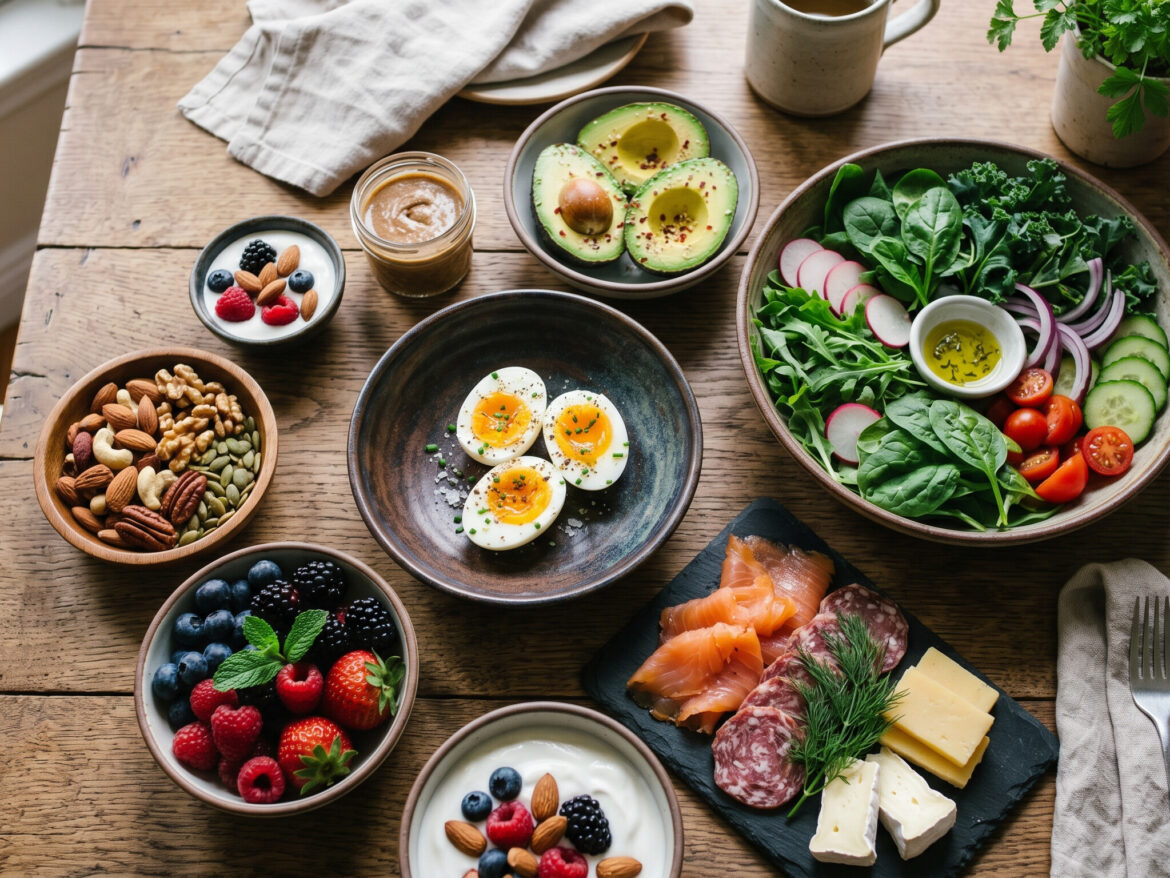
The keto diet is a high-fat, moderate-protein, very low-carb eating plan designed to shift the body into ketosis, where fat becomes the primary fuel source instead of carbohydrates. Most keto diets limit carbs to 20–50 grams daily and emphasize foods like eggs, meat, cheese, oils, and avocado.
Keto (short for ketogenic) is a super low-carb, high-fat, and moderate protein diet. The whole point is to switch up your body’s main fuel source from carbs (like bread and pasta) to fat (think avocados and steak). The science behind it is ketosis, a metabolic state where your liver makes ketones for energy instead of relying on glucose from carbs. Usually, folks on keto eat under 20-50 grams of net carbs a day. That’s not even a sandwich worth!
I remember my first shopping trip for keto. Out went the cereal, bananas, and oats. I replaced them with eggs, butter, and bacon. The adjustment period, often called the “keto flu,” hit me for a few days with brain fog and low energy, but this faded once I got familiar with new recipes and my energy rebounded.
- Fat: 70-80% of calories
- Protein: 15-25%
- Carbs: 5-10%
Popular keto foods:
- eggs,
- cheese,
- fatty meats,
- olives,
- nuts,
- leafy greens,
- butter, oils,
- and small servings of low-carb berries.
For a deep look at the science behind ketosis and safe carb levels, check out the excellent overview at Healthline.
Keto often causes fast early weight loss, but long-term results still depend on consistency, calorie intake, and daily habits, not ketosis alone.
Research suggests ketogenic diets may help reduce appetite and increase satiety due to higher fat and protein intake. Some studies also show keto can improve short-term weight loss results, especially during the first few months.
What Is a Low-Carb Diet?
A low-carb diet reduces carbohydrate intake without requiring ketosis. Unlike keto, low-carb diets are more flexible and typically allow 50–150 grams of carbs daily, including foods like fruit, legumes, root vegetables, and whole grains while still reducing sugar and refined carbs.
Low-carb diets are much more relaxed about carb intake. The exact number isn’t set in stone (anywhere from 50g to 150g daily is normal), so you get to enjoy a wider range of foods. I switched to low-carb after keto because eating out and family meals became easier. You still limit bread, pasta, rice, and sugar, but you don’t have to monitor every gram like on keto.
Some benefits: you’ll probably skip the intense keto flu, have more energy for workouts, and can enjoy fruits like apples or a little sweet potato without worrying about staying in the fat-burning mode.
Popular low-carb foods include all the keto foods,
- plus moderate portions of fruit,
- root veggies, beans,
- and even the occasional piece of wholegrain bread.
If you want smart, practical info on different low-carb plans, the Diet Doctor site has tons of simple guides and recipes.
Low-carb diets have been consistently linked to improvements in blood sugar control, appetite management, and gradual weight loss, while generally being easier to maintain than highly restrictive diets.
Keto vs Low-Carb: Key Differences
The biggest difference between keto and low-carb diets is carbohydrate restriction. Keto requires extremely low carb intake to maintain ketosis and relies heavily on fat for energy, while low-carb diets simply reduce carbs moderately and allow more food variety and flexibility.
- Speed of Results: Keto usually brings faster results at first, mostly from water weight, then body fat loss. Low-carb might be slower, but is easier to stick with for weeks and months.
- Simplicity & Social Life: Keto is strict, and social events or restaurants can get complicated. Low-carb gives you more options if you want to grab a piece of fruit or a wrap for lunch.
- Food Variety: Low-carb wins this round, since keto has more “no” foods.
- How You Feel: Some people thrive mentally on keto. Others get “keto flu” and can’t focus. Low-carb rarely causes that adjustment slump.
From my experience, keto worked when I needed a big jumpstart, but low-carb was better for keeping the weight off without stressing over tracking every bite.
Which Diet Works Better for Weight Loss?
Both keto and low-carb diets can support weight loss by reducing appetite and lowering calorie intake. Keto often produces faster short-term results due to water loss and ketosis, while low-carb diets are generally easier to sustain, which may improve long-term adherence and weight maintenance.
Both diets can support weight loss by reducing overall carbohydrate intake and helping control appetite. Keto often leads to faster initial weight loss due to water loss and reduced glycogen stores, while low-carb tends to support more sustainable long-term adherence.
The best choice depends on how strictly someone can follow dietary rules over time.
Studies comparing keto and moderate low-carb diets often show similar long-term fat loss outcomes. The biggest factor is usually consistency and whether someone can realistically maintain the diet over time.
Speed of Results: Keto vs Low-Carb
Keto usually leads to faster initial weight loss because reducing carbohydrates rapidly lowers glycogen stores and water retention. Low-carb diets may produce slower early results, but many people find them easier to maintain consistently over time, which is important for long-term fat loss.
Keto typically produces faster short-term results, especially in the first 1–2 weeks due to water weight loss. Low-carb may result in slower but more consistent progress over time.
Much of the rapid weight loss during the first weeks of keto comes from glycogen depletion and water loss. Longer-term fat loss still depends heavily on overall calorie intake and adherence.
Sustainability & Lifestyle Fit
Low-carb diets are typically easier to maintain because they allow more flexibility with food choices, social eating, and travel. Keto can feel restrictive due to strict carb limits, which may make long-term adherence more difficult for some people.
Low-carb diets are generally easier to maintain because they allow more food variety and flexibility in social situations. Keto can feel restrictive due to strict carb limits and limited food choices.
Research on long-term dieting success consistently shows that sustainability and adherence are among the strongest predictors of maintaining weight loss over time.
Keto Flu & Side Effects
Some people experience temporary symptoms called the “keto flu” during the first week of keto, including fatigue, headaches, irritability, and low energy. These effects are usually linked to electrolyte shifts and the body adapting to burning fat instead of carbohydrates.
Keto may cause temporary side effects during the adjustment phase, often called the “keto flu,” which can include fatigue, headaches, and low energy. These symptoms usually improve after the body adapts to fat metabolism.
Low-carb diets typically do not cause a strong adaptation phase.
Some people experience fatigue, headaches, irritability, or low energy during the first week of keto as the body adapts to using fat for fuel. Staying hydrated and maintaining electrolyte intake may help reduce symptoms.
Social Life & Real-World Challenges
Keto can be difficult to maintain in restaurants, social gatherings, and travel situations because many meals contain hidden carbohydrates. Low-carb diets are generally more adaptable in real-world settings because they allow moderate carb intake without strict ketosis requirements.
Keto can be more difficult in social settings, restaurants, and travel due to strict food limitations. Low-carb offers more flexibility, making it easier to eat out and adapt to real-world situations without strict tracking.
Keto may work well for individuals who enjoy structured eating patterns and feel satisfied on higher-fat meals. Some people also report reduced hunger and fewer cravings once fully adapted to ketosis.
Who Should Choose Keto?
Keto may work best for people who prefer strict dietary structure, enjoy high-fat foods, and want rapid initial weight loss. It is often better suited for short-term fat loss phases or individuals comfortable with closely tracking carbohydrate intake.
Keto may be suitable for people who:
- Want fast initial weight loss
- Prefer strict structure and rules
- Can maintain low carbohydrate intake consistently
- Do not mind limiting food variety
Who Should Choose Low-Carb?
Low-carb diets are often better for people seeking a sustainable long-term eating style with more flexibility and food variety. They may be easier to follow socially and can still support weight loss without the strict limitations required for ketosis.
Low-carb may be better for people who:
- Want sustainable long-term weight management
- Prefer flexibility in food choices
- Eat out or socialize frequently
- Want fewer restrictions without strict tracking
| Keto May Work Better If… | Low-Carb May Work Better If… |
| You like strict structure | You want flexibility |
| You want rapid early results | You want long-term sustainability |
| You don’t mind tracking carbs | You dislike strict tracking |
| You enjoy high-fat foods | You want more food variety |
| You prefer short-term aggressive dieting | You want a realistic lifestyle approach |
Why Many People Quit Keto
Many people stop keto because the diet can feel socially restrictive and difficult to maintain long term. Limited food variety, strict carb tracking, travel challenges, and repetitive meals are some of the most common reasons people transition to a more flexible low-carb approach.
Keto can work well short term, but many people struggle to maintain it long term because of how restrictive it feels in everyday life.
Food Restriction Fatigue
Completely avoiding bread, pasta, fruit, desserts, and many social foods can become mentally exhausting over time.
Social Situations Become Complicated
Restaurants, holidays, family meals, and travel often require constant meal modifications or planning ahead.
Repetitive Meals
Some people eventually get tired of eating similar high-fat meals every day, especially when food variety becomes limited.
Workout Performance Changes
High-intensity workouts may feel harder during the adjustment phase because the body is adapting to lower glycogen levels.
The Mental Load of Tracking
Strict keto often requires checking labels, tracking macros, and monitoring carb intake closely, which can become stressful for some people.
Hidden Challenges of Keto in Real Life
Keto may appear simple online, but real-life situations like eating out, travel, social events, and hidden carbs can make the diet difficult to maintain consistently. These practical challenges are one reason many people eventually switch to a more flexible low-carb lifestyle.
Keto often looks simple online, but real-life situations can make it much harder to follow consistently.
Eating Out
Many restaurant meals contain hidden sugars, sauces, breading, or carb-heavy sides that make staying in ketosis difficult.
Travel
Airports, hotels, and convenience stores usually offer limited keto-friendly options, making meal planning more stressful.
Family & Social Events
Birthday dinners, holidays, and gatherings often revolve around foods that are difficult to fit into a strict keto plan.
Cost
Specialty keto products, low-carb substitutes, and high-quality protein sources can increase grocery costs significantly.
These challenges are one reason many people eventually transition from strict keto to a more flexible low-carb approach.
What I Learned From Trying Both Diets
Trying both keto and low-carb showed me that strict diets may work short term, but sustainability matters most for long-term results. Keto helped reduce cravings initially, while low-carb felt easier to maintain socially, mentally, and practically in everyday life.
Keto taught me how much processed carbs were affecting my hunger and energy levels, but it also showed me how difficult strict restriction can become over time.
The hardest part of keto wasn’t avoiding bread, it was thinking about food constantly. I started checking every label, googling restaurant meals, and tracking carbs more than I expected.
On keto, grocery shopping took longer because hidden carbs were everywhere. Sauces, protein bars, yogurt, and dressings needed constant label checking.
Low-carb felt more realistic for everyday life. I could still enjoy healthier carb sources, eat socially without stress, and maintain steady progress without obsessing over every gram of carbohydrates.
Low-carb felt easier to maintain because I could still eat foods like berries, potatoes, or oats occasionally without feeling like I ruined my progress.
That balance made consistency easier and consistency is what matters most for long-term results.
Both diets helped with weight loss, but keto required much more mental effort. Low-carb felt easier because I didn’t have to track every gram or stress over hidden carbs.
The best diet isn’t the strictest one, it’s the one you can realistically follow long term without constantly thinking about food.
Answers to Common Questions
Is a low-carb diet better than keto?
It depends. Low-carb is easier for the long haul, with less restriction; keto can get fast results, but it’s tough to maintain and can feel less flexible. For most of us looking for balance, low-carb is the way to go.
What happens if you eat low-carb but not keto?
You’ll likely still lose weight, manage blood sugar better, and feel more stable with energy. You just don’t hit that deep ketosis state, but for many people, that’s not needed anyway.
Do you need ketosis to lose fat?
No. Weight loss primarily happens when the body consistently burns more calories than it consumes over time. Keto can help some people reduce appetite and control cravings, but similar fat loss can also happen on moderate low-carb diets that do not trigger ketosis.
For many people, the best diet is not the strictest one, it’s the one they can realistically maintain for months or years without feeling miserable.
Can you eat fruit on a no-carb or keto diet?
On classic keto, fruit is mostly out except for small amounts of berries. Low-carb lets you have more fruit (like an apple or orange now and then), especially if you’re at the high end of the carb range.
How long should you stay on keto?
For most people, keto works best as a medium-term strategy (a month or a few months), then switch to a low-carb or balanced diet. It’s hard to get full nutrition long term with strict keto unless you plan your meals very carefully.
Real-World Challenges & Tips
Staying in ketosis takes planning. Hidden carbs pop up everywhere! Parties, travel, and family events can get tricky, and I’ve eaten more lettucewrapped burgers than I can count. Low-carb gave me the freedom to join in without much stress. The main takeaway: Prep ahead, know your go-to meals, and don’t panic if you go off-script for a day or two.
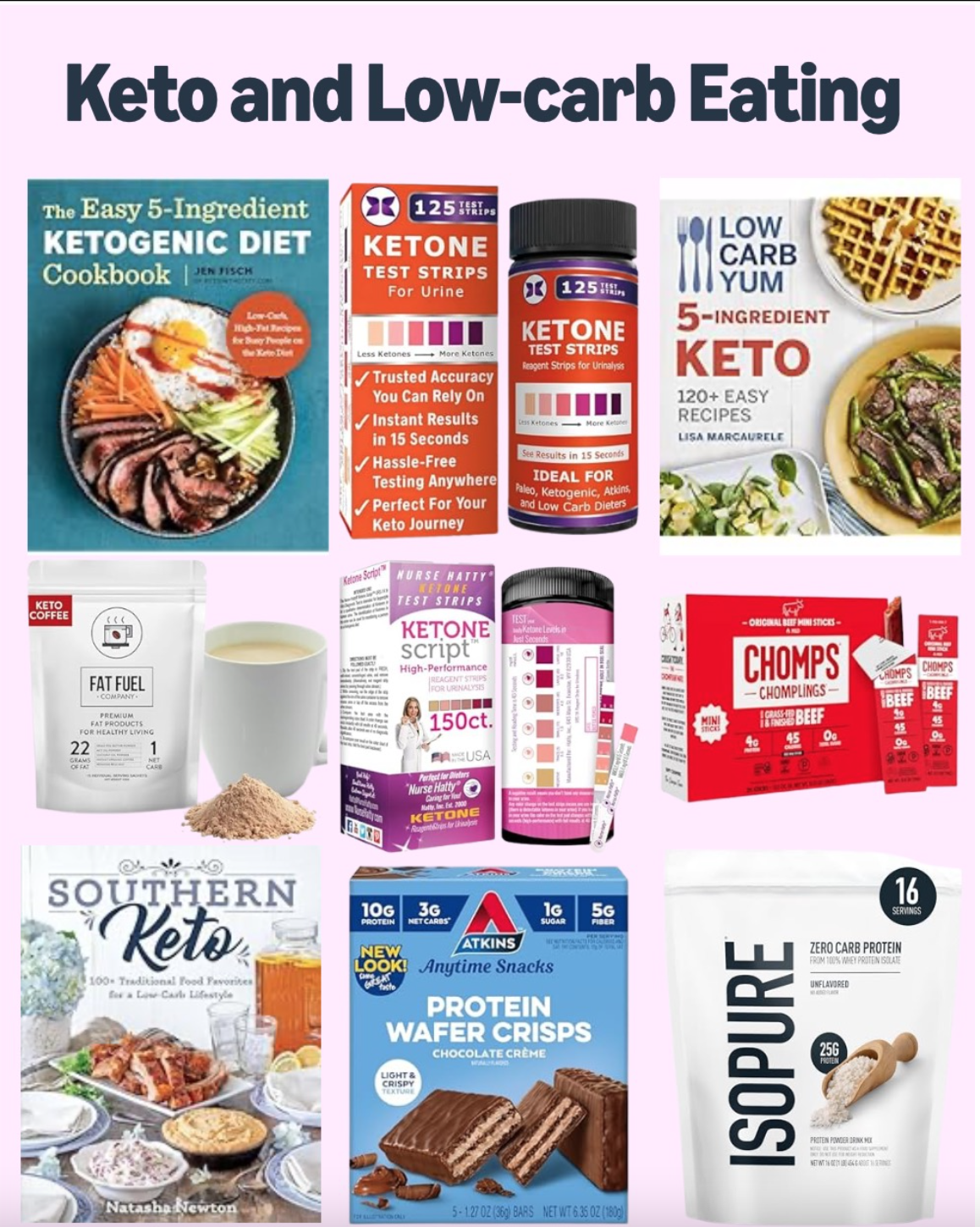
Handy Amazon Picks for Keto and Low-carb Eating
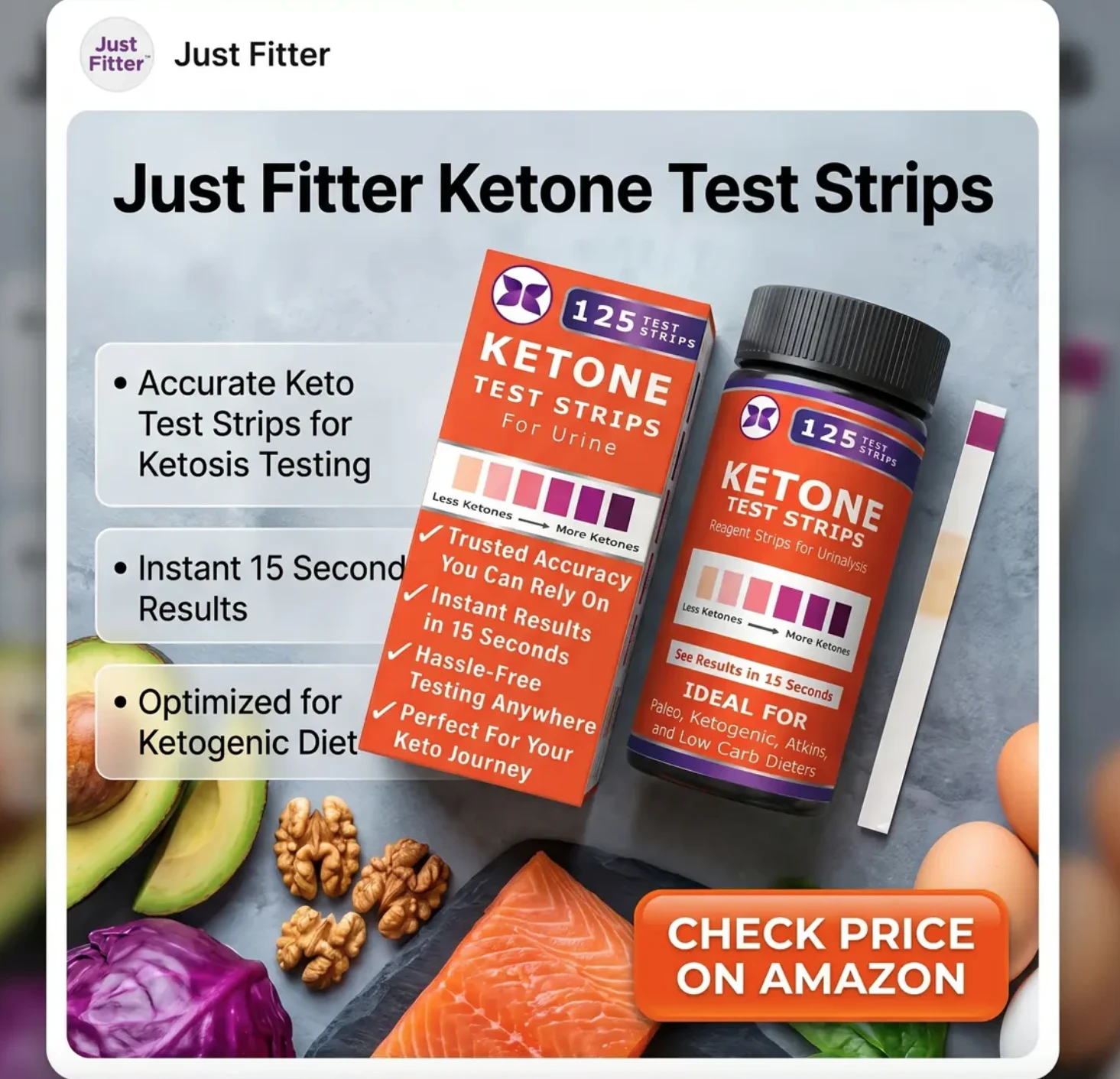
- Just Fitter Ketone Test Strips – If you want to track ketosis, this tool is super useful.
- The Easy 5Ingredient Ketogenic Diet Cookbook – Fast, simple recipes make meal planning way less overwhelming.

- LOW-CARB YUM 5Ingredient Keto – A great book for both low-carb and keto meals that don’t take all night to cook.

Note: This article contains affiliate products. We earn a commission if you make a purchase, at no additional cost to you.
Common Keto Mistakes
Common keto mistakes include eating excessive calories from fats, ignoring electrolytes, relying on processed keto snacks, and underestimating hidden carbohydrates in sauces and packaged foods. These issues can slow fat loss progress and make keto harder to maintain consistently.
Many beginners assume keto automatically leads to fat loss, but there are a few common mistakes that can slow progress or make the diet harder than it needs to be.
| Mistake | Why It Happens |
| Eating too much fat | Assuming fat intake is unlimited |
| Ignoring electrolytes | Water loss lowers minerals |
| Relying on keto snacks | Packaged foods add calories quickly |
| Hidden carbs | Sauces and dressings add up |
| Meal boredom | Food variety becomes limited |
Eating Too Much Fat
Keto encourages high-fat foods, but calories still matter. Adding excessive amounts of butter, oils, cheese, and “fat bombs” can easily push calorie intake too high.
Ignoring Electrolytes
Low-carb diets reduce water retention, which also affects sodium, potassium, and magnesium levels. This is one reason many people experience headaches, fatigue, or dizziness during the first week.
Relying on Processed “Keto” Foods
Packaged keto snacks, desserts, and bars can be highly processed and calorie-dense. Whole foods are usually more filling and easier to manage long term.
Tracking Carbs Incorrectly
Hidden carbs in sauces, dressings, drinks, and snacks can add up quickly and make ketosis difficult to maintain.
Expecting Instant Fat Loss Forever
The rapid early drop on keto is often partly water weight. Long-term fat loss still depends on consistency and overall eating habits.
Action Plan: Start Smart With Keto or Low-carb
- Pick your plan: decide if you want strict keto or flexible low-carb
- Clear out old carbheavy staples from your pantry
- Prep a week of meals and snacks to avoid temptation
- Track your first two weeks (apps help a lot)
- Notice how your body feels, and adjust as needed
Summary: Which Should You Pick?
- Keto works if: You want fast, dramatic results and don’t mind giving up certain foods. Best for short-term fat loss.
- Low-carb works if: You want steady progress, more variety, and a way to eat out or enjoy life without stress.
- What I recommend: Start with a low-carb approach, especially if you want something sustainable. Try keto if you’re motivated by quick results and are willing to switch back to low-carb for flexibility.
Why This Isn’t Just A Diet; It’s Your Long Game
Choosing between keto and low carb comes down to what fits your lifestyle, how much structure you need, and what keeps you motivated. I missed bananas and toast too much for long-term keto, but I love the energy boost and mental clarity when I go low-carb for a while. Whichever path you pick, actually trying one for a few weeks is better than endlessly researching both.
Neither keto nor low-carb is automatically “better” for everyone. Factors like lifestyle, food preferences, activity level, stress, social habits, and long-term consistency often matter more than choosing the most extreme diet approach.
If you want more honest takes and practical tips like these, join my “Weightletics” publication. I share real stories and advice to help you make balanced, lasting changes (with plenty of food inspo, too).
What’s been your biggest challenge with keto or low-carb? Drop your story below. Let’s help each other stay motivated!
Disclaimer:
This article is based on personal experience and general nutrition research and is intended for informational purposes only. It should not replace professional medical advice, diagnosis, or treatment. Always consult a qualified healthcare professional before making major dietary changes.