 Dany
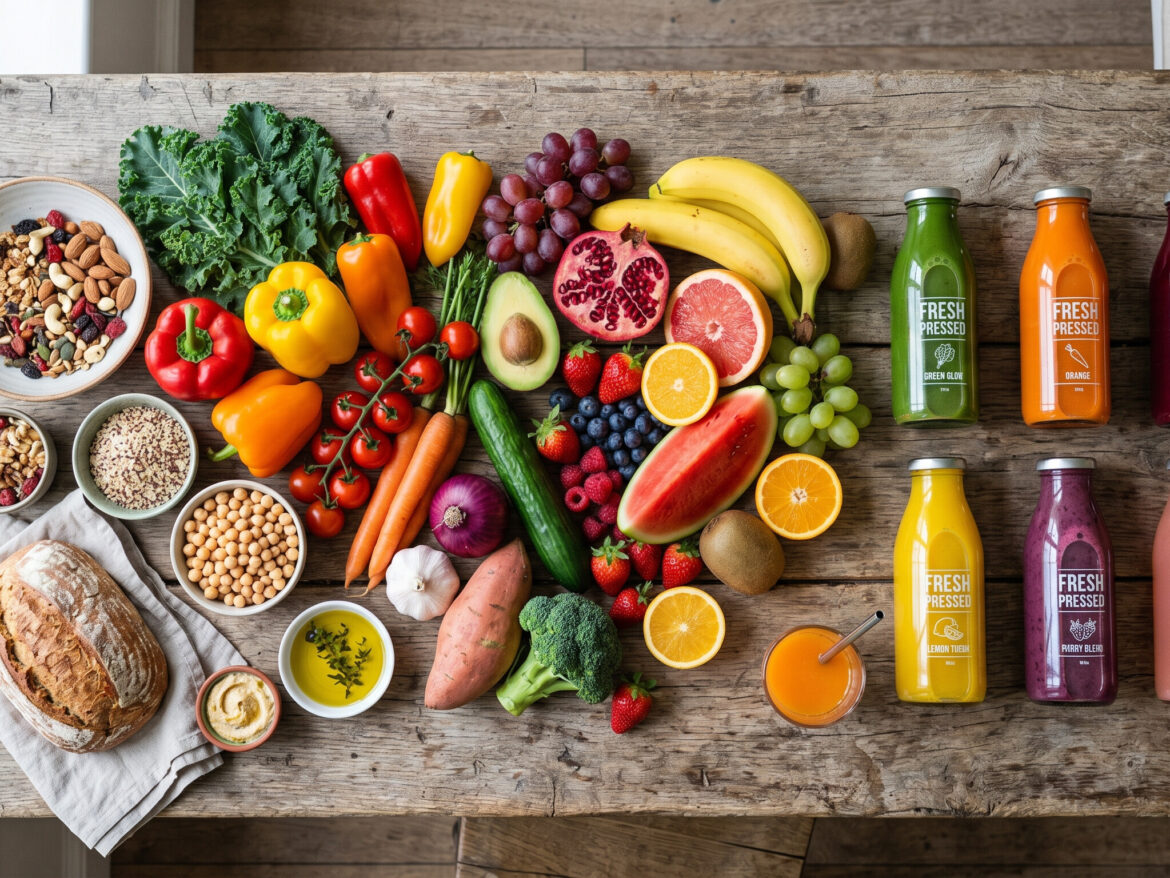
Dany Detox diets generally fall into three categories: juice cleanses, fasting, and whole foods-based eating plans. While each approach aims to support health, current evidence suggests the body’s liver, kidneys, lungs, and digestive system already perform detoxification naturally.
The primary differences between these diets are their nutritional balance, sustainability, and potential risks.
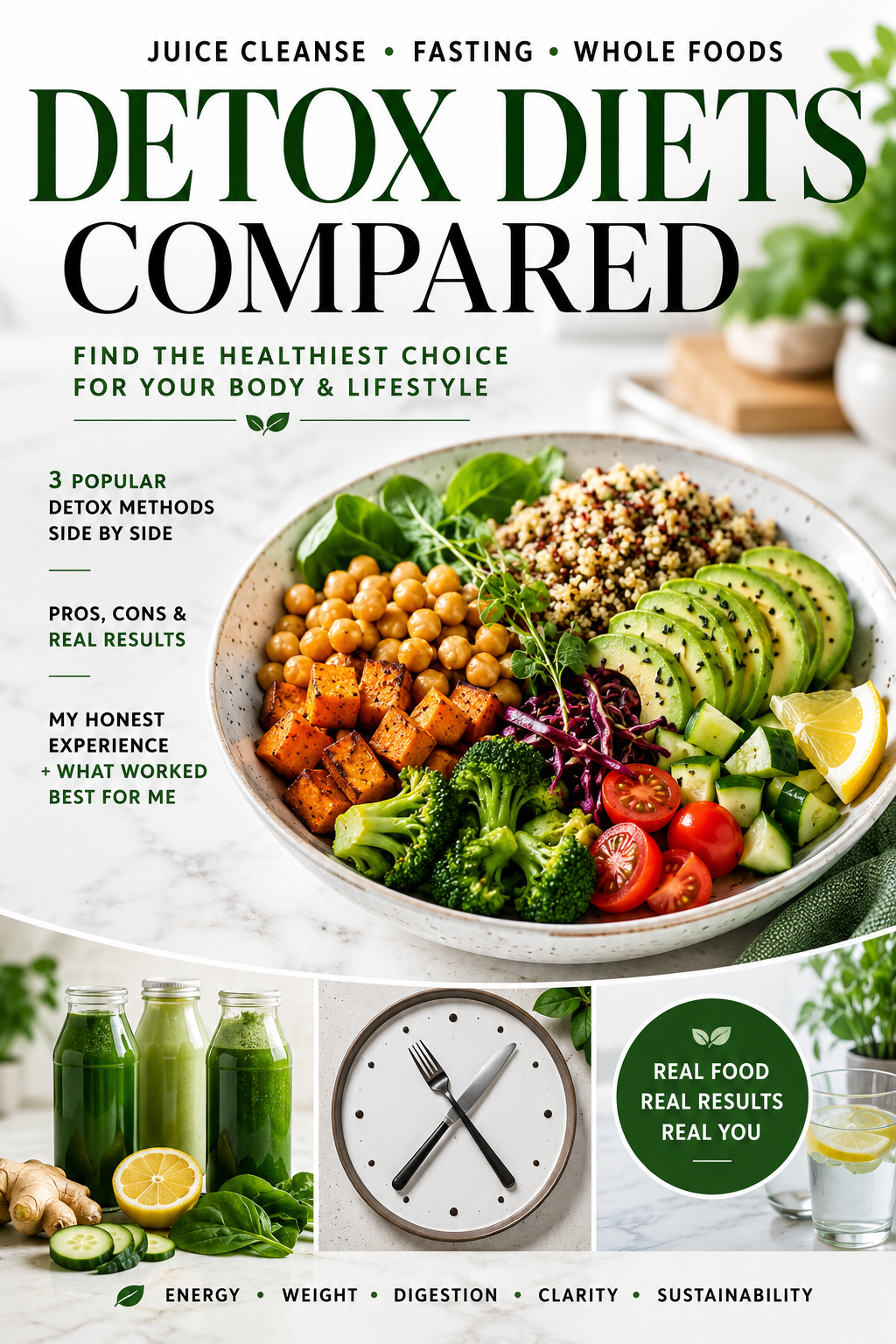
This guide compares how juice cleanses, intermittent fasting, and whole foods detoxes work, summarizes the available evidence, and combines research with personal experience to help you choose the approach that best fits your goals.
Which Detox Diet Is Best?
For most people, a whole foods detox is the healthiest and most sustainable option. While juice cleanses and fasting may offer short-term benefits, eating minimally processed foods rich in vegetables, fruit, lean protein, and healthy fats is the approach most supported by nutrition professionals.
Quick TL;DR: Detox Diets Compared
Detox diets generally fall into three categories: juice cleanses, fasting, and whole foods plans. Juice cleanses increase fruit and vegetable intake but are often low in protein and fiber. Fasting may support metabolic health for some people but isn’t suitable for everyone. Whole foods detoxes are the most balanced and sustainable option for long-term health.
Curious about which detox diet is worth considering? Here’s a super quick rundown:
- Juice cleanses give your digestion a break and pack in some vitamins, but can leave you hungry and low on protein.
- Fasting (like intermittent fasting or water fasts) helps some people reset eating habits and might support cellular processes, but needs proper care and isn’t for everyone.
- Whole foods detox focuses on real, unprocessed foods, think veggies, fruits, lean protein, and healthy fats. It’s easier to sustain and often just feels better.
I’m getting into all three, sharing what I’ve learned and experienced, plus real answers to common questions.
What’s On The Menu
- The Weightletics Detox Score
- Do Detox Diets Actually Work?
- What Is a Detox Diet and How Does It Work?
- Juice Cleanse Pros and Cons
- Which Detox Diet Is Best?
- Juice Cleanse Vs. Fasting: Which Wins?
- Which Detox Fits Your Lifestyle?
- The Real-Life Pros and Cons at a Glance
- My Results From Each Detox Approach
- FAQ: Detox Diets Explained
- Detox Diet Action Plan
- Sources and Further Reading
- Real Talk: Reset Without the Hype
The Weightletics Detox Score
These scores reflect my personal experience combined with current nutrition evidence. Your results may vary depending on your health, goals, and lifestyle.
| Category | Juice Cleanse | Fasting | Whole Foods |
|---|---|---|---|
| Nutrition | ⭐⭐⭐ | ⭐⭐ | ⭐⭐⭐⭐⭐ |
| Hunger | ⭐⭐ | ⭐⭐ | ⭐⭐⭐⭐⭐ |
| Energy | ⭐⭐⭐ | ⭐⭐⭐⭐ | ⭐⭐⭐⭐⭐ |
| Sustainability | ⭐⭐ | ⭐⭐⭐⭐ | ⭐⭐⭐⭐⭐ |
| Cost | ⭐⭐ | ⭐⭐⭐⭐⭐ | ⭐⭐⭐⭐ |
| Beginner Friendly | ⭐⭐⭐ | ⭐⭐ | ⭐⭐⭐⭐⭐ |
| Scientific Support | ⭐⭐ | ⭐⭐⭐ | ⭐⭐⭐⭐⭐ |
| Overall Score | 2.8/5 | 3.7/5 | 4.9/5 |
Note: This article contains affiliate products. We earn a commission if you make a purchase, at no additional cost to you.
Do Detox Diets Actually Work?
The idea behind detox diets is that they help remove toxins from the body. However, medical experts generally agree that your liver, kidneys, digestive system, and lungs already do an excellent job of filtering and eliminating waste.
That said, many people report feeling better during a detox diet because they temporarily reduce processed foods, alcohol, excess sugar, and overeating. In other words, the benefits often come from improving eating habits rather than from a special detoxification effect.
For most people, focusing on whole, minimally processed foods is a more sustainable approach than extreme cleanses or prolonged fasting.
| Factor | Juice Cleanse | Fasting | Whole Foods Detox |
|---|---|---|---|
| Hunger | High | Medium-High | Low |
| Protein Intake | Low | None | High |
| Fiber Intake | Low | None | High |
| Sustainability | Low | Medium | High |
| Ease of Use | Medium | Medium | High |
| Expert Support | Limited | Mixed | Strong |
What Is a Detox Diet and How Does It Work?
Detox diets aim to help the body eliminate toxins, but healthy kidneys, liver, lungs, and digestive organs already perform this function naturally. Most benefits people experience come from eating fewer processed foods, drinking more water, and increasing nutrient-rich whole foods rather than from detoxification itself.
The whole idea behind “detox” is that your body gets overwhelmed by toxins from food, stress, or the environment, and needs a reset. Science actually shows your liver, kidneys, and digestive system already do a pretty decent job at detoxifying your body.
Still, some people feel genuinely refreshed after a reset because old habits are interrupted, fresh food is emphasized, and processed junk takes a back seat.

I’ve done a three-day juice cleanse and a few rounds of whole foods resets. While there were some noticeable differences in how I felt, the big lesson I learned is that extreme plans often lead to quick burnout, but smart tweaks to eating last longer and just fit real life better.
Taking it slow helps you steer clear of that all-or-nothing mindset that can backfire fast. Sometimes just swapping processed snacks for fresh fruit or roasted veggies brings a big lift without overwhelming your routine.
Juice Cleanse Pros and Cons
Juice cleanses provide vitamins and antioxidants from fruits and vegetables but remove much of the natural fiber and often lack adequate protein. They may temporarily increase produce intake but can also lead to hunger, unstable energy levels, and blood sugar fluctuations during extended use.
Juice cleanses usually mean consuming only fruit and veggie juices for a set period, anywhere from one to five days. The pitch is that by flooding your system with vitamins and antioxidants (and giving your gut a break from solid food), the body can “detoxify.” Most juice plans tend to be low in protein, low in fiber, but high in sugar, even from veggies.
My take: The first day or so, I get a little burst from all the liquid and vitamins, but by day two I’m ready for something to chew and feel a bit spacey. There’s real value in upping your veggie intake, but these cleanses often leave you low on energy, hungry, and sometimes with a sugar roller-coaster. People with blood sugar concerns or those who do intense physical activity want to be extra careful here.
If you go this route, blending in some leafy greens and adding herbs like ginger or turmeric can give an extra nutritional boost. It’s also smart to monitor how you feel and add plant protein to one juice a day if energy dips. Hydration, with water or caffeine-free teas, is key since juices alone tend to lack enough water for your body’s needs.
Worth checking out for: A brief reset or if you want to increase your fruit and veggie intake (but don’t expect miracles). Consider adding a plant-based protein powder to one juice a day.
What It Was Really Like: My Experience With Each Detox Method
Reading about detox diets is one thing, actually trying them is another. Here’s what I noticed during a juice cleanse, a month of intermittent fasting, and a week of eating whole foods.
These are my personal experiences, not scientific results, but they may give you a better idea of what each approach feels like in everyday life.
My 3-Day Juice Cleanse
| Day | What I Experienced |
|---|---|
| Day 1 | I felt motivated and surprisingly energized. Drinking fresh juices made it easy to consume plenty of fruits and vegetables, and the change from my normal routine felt refreshing. |
| Day 2 | Hunger became much more noticeable. I started craving crunchy foods and realized how much I missed chewing. My energy dipped in the afternoon, and concentrating became a little harder. |
| Day 3 | By the final day I was ready to eat a balanced meal again. I appreciated the extra vegetables, but I also realized I needed protein and fiber to feel satisfied. |
Biggest Lesson
The juice cleanse reminded me that increasing fruit and vegetable intake is beneficial, but eliminating solid foods wasn’t sustainable for me. I’d rather add fresh juices to a balanced diet than rely on juices alone.
Handy Juice Cleanse Essentials
- NutriBullet Juicer – Simple, fast, and easy to clean if you’re DIYing your own juices.
- Vega Protein & Greens Powder – A plant based way to get your protein during a juice cleanse.
One drawback of juicing is that much of the fiber found in whole fruits and vegetables is removed during processing. Fiber plays an important role in blood sugar regulation, digestion, and satiety, which is one reason many people feel hungry during juice cleanses.
Intermittent Fasting and Detox: Pros and Cons
Intermittent fasting limits when you eat rather than what you eat. Some research suggests it may improve insulin sensitivity and support metabolic health, but prolonged fasting is not appropriate for everyone and should be approached carefully, especially by people with underlying health conditions.
Fasting gets a lot of buzz, think intermittent fasting (eating only in a set window), water fasting, or even short-term calorie restrictions. Some people swear by 16:8 intermittent fasting (16 hours off, 8 hours on), while others do 24-hour fasts every so often.
The science around fasting is pretty interesting: some evidence suggests it helps with autophagy (cell cleaning), digestion, and rebalancing hormones, but the jury is still out on “detox” claims.
My experience: I tried 16:8 fasting for a month, and the biggest difference was in my energy patterns and cravings. The hunger pangs took a few days to adjust to, but once I did, mornings felt more productive.
Longer or multi day fasts aren’t something I’d recommend without talking to a doctor, as they can be rough if you have a busy lifestyle or medical conditions.
If you decide to try fasting, make sure to start with shorter windows so your body can get used to the new rhythms.
Tracking how your mood and energy change helps spot patterns and avoid pushing yourself too hard. Having herbal teas plus water on hand can make fasting easier without triggering hunger spikes.
Real talk: Fasting isn’t magic and won’t fix a highly processed diet overnight, but it’s a tool to tune into hunger cues and cut down on mindless snacking.
Research on intermittent fasting suggests it may help some people improve insulin sensitivity and reduce calorie intake naturally. However, results vary widely depending on overall diet quality and lifestyle habits.
My First Week of 16:8 Intermittent Fasting
| Day | What I Experienced |
|---|---|
| Days 1–2 | Mornings were the hardest. I noticed I often wanted breakfast simply because of habit rather than true hunger. |
| Days 3–4 | My body began adapting to the eating schedule. Hunger became more predictable, and I found it easier to focus during the morning. |
| Days 5–7 | The routine started feeling natural. I wasn’t thinking about food as often, and my afternoon energy stayed relatively consistent. |
After One Month
After sticking with intermittent fasting for several weeks, the biggest benefit wasn’t dramatic weight loss, it was becoming more aware of when I was eating out of boredom versus genuine hunger.
Intermittent Fasting Helpers on Amazon
- Hydro Flask Water Bottle – Keeps water ice cold, which is a lifesaver during a fast.
- Organic Dandelion Root Tea – A gentle, caffein free tea that soothes hunger between meals.
Whole Foods Detox: Benefits and Drawbacks
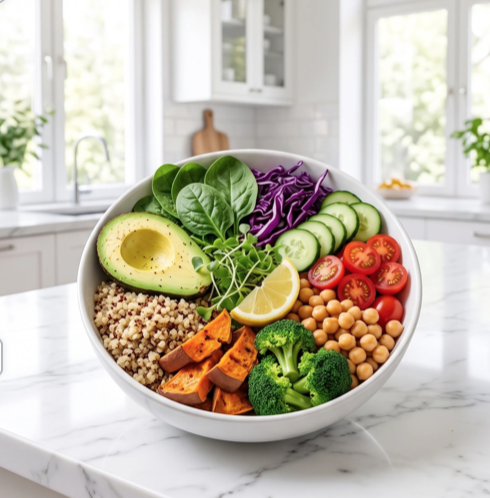
A whole foods detox emphasizes vegetables, fruits, lean proteins, healthy fats, legumes, and minimally processed foods. This approach provides fiber, protein, and essential nutrients while avoiding many of the nutritional deficiencies associated with restrictive detox diets, making it the most sustainable option.
Whole foods detox plans put the focus on real, unprocessed foods: lots of leafy greens, colorful veggies, fruits, lean proteins, nuts, seeds, and healthy fats. Processed foods, added sugars, and alcohol take a back seat.
Some programs will also cut dairy or gluten to lower inflammation and support digestion. This is honestly my favorite approach, a whole foods week boosts my mood, clears my skin, and helps me feel just better all-around.
What I love most here: you don’t get that hangry feeling from juicing or long fasts. Plenty of fiber, more steady energy, easier to customize, and no post-detox binge since you never really went hungry. Plus, meals feel more satisfying because you get to chew and mix up ingredient flavors.
If you want to get started, make a plan for a week’s worth of meals with simple recipes like roasted sheet pan veggies with chickpeas and a lemon dressing; big leafy salads with seeds and grilled chicken, and overnight oats with berries and nuts.
You can batch cook grains and proteins on a Sunday then mix and match for lunches and dinners. Having a stash of easy snacks, like cut-up veggies, apples, or a trail mix, helps you stay on track if cravings hit.
If it feels confusing, there are step by step guides and custom meal plans online. Focus on building plates half full of veggies, a quarter lean protein, and a quarter whole grains or starches. Drink plenty of water and try limiting processed sauces or dressings for the week.
Unlike many detox programs, whole foods approaches typically provide adequate protein, fiber, vitamins, and minerals while remaining easier to maintain long term.
My 7-Day Whole Foods Reset
| Day | What I Experienced |
|---|---|
| Days 1–2 | Meal prep took more planning than usual, but I enjoyed eating larger portions of vegetables, lean proteins, and whole grains. |
| Days 3–5 | My energy felt steady throughout the day, and I didn’t experience the hunger swings I’d felt during juice cleansing. |
| Days 6–7 | Healthy eating started feeling automatic rather than restrictive. I didn’t feel like I was “on a detox”, I simply felt like I was eating well. |
Biggest Lesson
This approach never felt extreme, which is exactly why it worked best for me. Instead of counting down the days until it ended, I found myself wanting to continue many of the habits afterward.
Whole Foods Detox Go-Tos
- Meal Prep Containers – Prep a big batch of grains, beans, and salad for easy meals.
- The Whole Foods Diet Book – A practical guide for beginners with easy to follow recipes.
If you’re serious about meal planning, Benable is a slick tool for organizing recipes and creating food lists fast.
Which Detox Diet Is Best?
For most people, a whole foods detox is the healthiest choice because it supports natural detoxification without eliminating important nutrients. Juice cleanses and fasting may have specific uses, but long-term healthy eating habits consistently provide greater benefits than short-term restrictive diets.
The best diet for “detoxing” isn’t flashy, it’s about eating whole, unprocessed foods in a balanced way. While juice cleanses and fasting have benefits if used wisely, most people will get longer lasting results focusing on colorful veggies, water, lean proteins, and cutting down processed junk.
Your body already has awesome builtin detox systems. Feeding it real food just helps out. Making regular hydration a habit ensures your body’s detox organs work smoothly, too. If you must supplement, choose whole food multivitamins or gentle herbal teas over harsh cleansers.
Three Things That Surprised Me
Looking back, three things stood out:
– I expected fasting to be the hardest, but I actually found the juice cleanse more difficult because I constantly missed eating solid food.
– The whole foods reset never felt like a “diet.” It felt like eating normally with better planning and fewer processed foods.
– The biggest improvement wasn’t from any detox itself, it came from paying closer attention to my eating habits and making healthier choices afterward.
Juice Cleanse Vs. Fasting: Which Wins?
Juice cleanses provide calories through fruit and vegetable juices, while fasting restricts calories entirely or limits eating windows. Juice cleanses may offer more nutrients but often lack protein and fiber, whereas fasting focuses on meal timing rather than food quality.
Comparing a juice cleanse to fasting comes down to your personal goals and how your body reacts. Juice cleanses give your digestion a break, but they can be lacking in protein and have a sugar punch.
Fasting skips calories completely or restricts the time you eat; it’s a more intense approach that demands solid health to start with.
If you crave constant food variety and can’t stand missing meals, a whole foods detox is much more doable. If mental clarity and challenging your eating patterns are your goals, a short-term fast (done with care) makes sense.
Both can shake you out of a rut, but neither fixes everything longterm without real habits to back them up.
If energy crashes or digestive discomfort pop up, it’s a sign to scale back or change things up. Adding gentle walks and light stretching makes the experience more pleasant regardless of the method you choose.
Remember, your detox doesn’t need to look perfect, just consistent enough to see changes over a few days or weeks.
Which Detox Fits Your Lifestyle?
| If you want… | Best Option |
|---|---|
| More vegetables | Juice cleanse |
| Better eating habits | Whole foods |
| Simpler meal schedule | Intermittent fasting |
| Sustainable change | Whole foods |
| Quick habit reset | Intermittent fasting |
| Long-term health | Whole foods |
Who Should Avoid Each Method
| Group | Juice | Fasting | Whole Foods |
|---|---|---|---|
| Diabetes | ❌ | ❌ | ✅ |
| Pregnancy | ❌ | ❌ | ✅ |
| Athletes | ⚠️ | ⚠️ | ✅ |
| Busy professionals | ⚠️ | ✅ | ✅ |
| Beginners | ⚠️ | ⚠️ | ✅ |
How Much Does Each Detox Cost?
| Method | Estimated Cost (1 Week) |
|---|---|
| Juice Cleanse | $80–200 |
| Fasting | $0–20 |
| Whole Foods | $50–100 |
A homemade whole foods reset often costs less than a commercial juice cleanse while providing more complete nutrition.
Five Detox Mistakes I Made
I didn’t drink enough water.
I exercised too hard.
I expected immediate results.
I underestimated hunger.
I returned to old eating habits too quickly.
Five Detox Myths
| Myth | Reality |
|---|---|
| Detox removes toxins | Healthy organs already perform detoxification. |
| Juice is always healthy | Many juices are high in sugar and low in fiber. |
| Fasting works for everyone | Individual health conditions matter. |
| Detox causes fat loss | Much initial weight loss is water. |
| You need supplements | Most people don’t if eating a balanced diet. |
The Real-Life Pros and Cons at a Glance
Juice cleanses, fasting, and whole foods detoxes each have advantages and disadvantages. Whole foods plans are generally the easiest to maintain and most nutritionally balanced, while juice cleanses and fasting require more planning and may not be suitable for everyone.
- Juice Cleanses: Easy veggies/fruits hit, but high in sugar and low in fiber or protein. Temporary fix.
- Fasting: Good for tuning into hunger and may support cell repair. Can be tough for beginners or anyone with certain health conditions.
- Whole Foods Detox: Easy to personalize, plenty of energy and fiber, no crash diet vibes. Most supported by nutrition pros.
My Results From Each Detox Approach
These scores reflect my personal experience and won’t be identical for everyone, but they may help illustrate how the different approaches felt in real life.
| Method | Energy | Hunger | Sustainability |
|---|---|---|---|
| Juice Cleanse | 5/10 | 9/10 | 3/10 |
| Intermittent Fasting | 8/10 | 6/10 | 8/10 |
| Whole Foods Reset | 9/10 | 2/10 | 10/10 |
Five Lessons I Took Away
1. The simplest approach was the easiest to maintain.
2. Hunger wasn’t always true hunger, it was often habit.
3. Whole foods gave me the most consistent energy.
4. Extreme detoxes felt temporary.
5. Healthy routines mattered far more than any detox protocol.
FAQ: Detox Diets Explained
Most detox diet questions involve safety, effectiveness, exercise, duration, and supplementation. Current evidence suggests healthy dietary habits are more beneficial than extreme detox protocols, and anyone with medical conditions should consult a healthcare professional before attempting restrictive diets.
Is there proof detox diets work?
Detox diets sometimes make you feel lighter or reset old habits, but most medical experts say your liver and kidneys have detox covered. Meal plans high in veggies may support natural processes, but extreme cleanses aren’t required.
How long should a detox diet last?
Detox diets usually run 3–10 days. Whole foods resets work great for a week, while fasting should be discussed with your doctor if you want to do several days.
Can I exercise on a detox diet?
Light movement is okay, but skip tough workouts during fasts or juice cleanses. Whole foods detoxes allow for your regular fitness routine.
Is fasting safe for everyone?
No. Pregnant people, those with diabetes, and anyone on certain medications or with a history of eating disorders should skip extended fasts or strict juice cleanses.
Do I need supplements for a detox?
Supplements aren’t always needed, but adding a good plant protein to juice fasts or a multivitamin to whole foods detoxes can fill gaps.
Detox Diet Action Plan
If you want to improve your diet, start by defining your goal, choosing a realistic approach, planning meals ahead, staying hydrated, and gradually building healthy habits. Sustainable lifestyle changes consistently outperform short-term detox programs for long-term health.
Decide your goal: Energy boost? Gut reset? Breaking food habits?
Pick one approach: Juice for 2–3 days, intermittent fasting, or a 7-day whole foods reset.
Prep ahead: Grab supplies (see Amazon picks above), meal plan, or set fasting windows.
Start slow: For new cleanses or fasts, keep it short at first and listen to your body.
Reintroduce foods mindfully: Ease out of your plan by slowly adding back whole grains, lean proteins, and healthy fats.
Stay hydrated: Water, herbal teas, and broths are your best friends during any detox. Aim for at least eight cups daily, more if you’re active or sweating.
Sources and Further Reading
For readers who want to explore the science behind detox diets, fasting, and nutrition, the following resources provide evidence-based information:
Real Talk: Reset Without the Hype
Lasting health improvements rarely come from extreme detox diets. Consistently eating whole foods, staying hydrated, exercising regularly, and reducing processed foods support the body’s natural detoxification systems far better than temporary cleanses or restrictive fasting programs.
Picking a “detox diet” doesn’t need to be an all-or-nothing deal. After trying juice cleanses and fasting, I found that real, whole foods make me feel the best, and those results last beyond a quick fix.
Whether you try a juice cleanse, dabble in fasting, or stick to whole foods, making smart, gradual upgrades is what really sticks. Don’t stress about perfection, just focus on what makes you feel clear-headed, energized, and balanced. Celebrate the little wins each week and adjust your habits along the way.
If you want more practical tips on balanced weight loss and making healthy living less complicated, my “Weightletics” newsletter is full of honest stories, smart recipes, and habit tweaks that actually work. Join the ride, I’d love to share the adventure with you.
What’s one habit you’d love to upgrade this month? Share your take or new favorite recipe in the comments. I’ll be cheering you on!
If you want more honest takes and practical tips like these, join my “Weightletics” publication. I share real stories and advice to help you make balanced, lasting changes (with plenty of food inspo, too).
Disclaimer:
This article is based on personal experience and general nutrition research and is intended for informational purposes only. It should not replace professional medical advice, diagnosis, or treatment. Always consult a qualified healthcare professional before making major dietary changes.