 Dany
Dany WeightWatchers (WW) is a decades-old weight loss program that emphasizes flexible eating, healthy habit-building, and community support. Using a personalized points system instead of strict calorie counting, it helps individuals make sustainable choices for gradual weight loss and overall lifestyle improvement.
If you’ve ever looked into weight loss programs, Weight Watchers (now called WW) almost always comes up as a top suggestion. WW has been around for decades, and the program has changed quite a bit over time. At its core, it’s about helping people eat better, build healthier routines, and lose weight in a way that feels doable for day-to-day life. I’ve spent plenty of time learning the ins and outs of Weight Watchers, so I’m ready to break it all down for anyone curious about how this system actually works.
I’ve researched multiple weight loss programs and compared how WeightWatchers stacks up against other popular approaches. What stands out most is its flexibility and focus on long-term habits rather than quick fixes.
TL;DR
- Weight Watchers is a flexible weight loss program using a personalized points system.
- Focuses on habit-building, healthy eating, and community support rather than strict calorie counting.
- ZeroPoint foods allow you to eat without tracking certain items.
- Most users lose 1–2 pounds per week with consistent tracking.
- Suitable for people seeking sustainable, long-term weight loss with support.
- Requires a monthly subscription, tracking commitment, and occasional planning for social events.
What’s On The Menu
- What Is Weight Watchers? An All-in-One Guide to the WW Program
- How the Weight Watchers Program Works
- Weight Watchers Points System Explained
- ZeroPoint Foods
- What Can You Eat on Weight Watchers?
- Weight Watchers Pros and Cons
- How Much Weight Can You Lose on Weight Watchers?
- Is Weight Watchers Worth It?
- How Much Does Weight Watchers Cost?
- Sample Weight Watchers Meal Plan
- Common Mistakes to Avoid
- Weight Watchers vs. Other Diets
- FAQ
- Wrapping Up
What Is Weight Watchers? An All-in-One Guide to the WW Program
WeightWatchers (WW) is a weight loss program that uses a personalized points system instead of calorie counting. It encourages flexible eating, habit-building, and community support to help users lose weight gradually while maintaining a sustainable, balanced lifestyle.
Weight Watchers (often called WW) started back in the 1960s as a way for folks to support each other as they tried to lose weight. These days, the focus is a lot more on healthy living than just losing pounds, so it’s less about following a harsh diet and more about making choices that add up over time. Instead of banning certain foods or tracking every calorie, Weight Watchers uses a points system that makes keeping track of what you eat way less overwhelming.
WW is firmly rooted in its community aspect, encouraging members to connect for motivation and accountability. Options include in-person meetings and digital-only programs, giving you the freedom to pick what fits your lifestyle best. Besides tracking food, WW touches on staying active, improving your sleep, and maintaining a positive mindset, putting together a well-rounded approach to better overall health.
How the Weight Watchers Program Works
Weight Watchers works by assigning users a personalized daily and weekly Points budget based on their body and activity level. Members track food using an app, choose how to spend their points, and are encouraged to build healthy habits like regular movement, better sleep, and consistent routines.
At the heart of WW is a simple question: how can you eat foods you love, feel satisfied, and still lose weight? WW aims to answer that with their Points system, offering a massive list of recipes, an intuitive app for tracking, and coaching if you need a little help. Everyone gets a daily and weekly Points budget based on their age, weight, height, sex, and activity level. You spend your Points as you choose, so there’s always wiggle room for parties, dinners out, or lazy weekends at home.
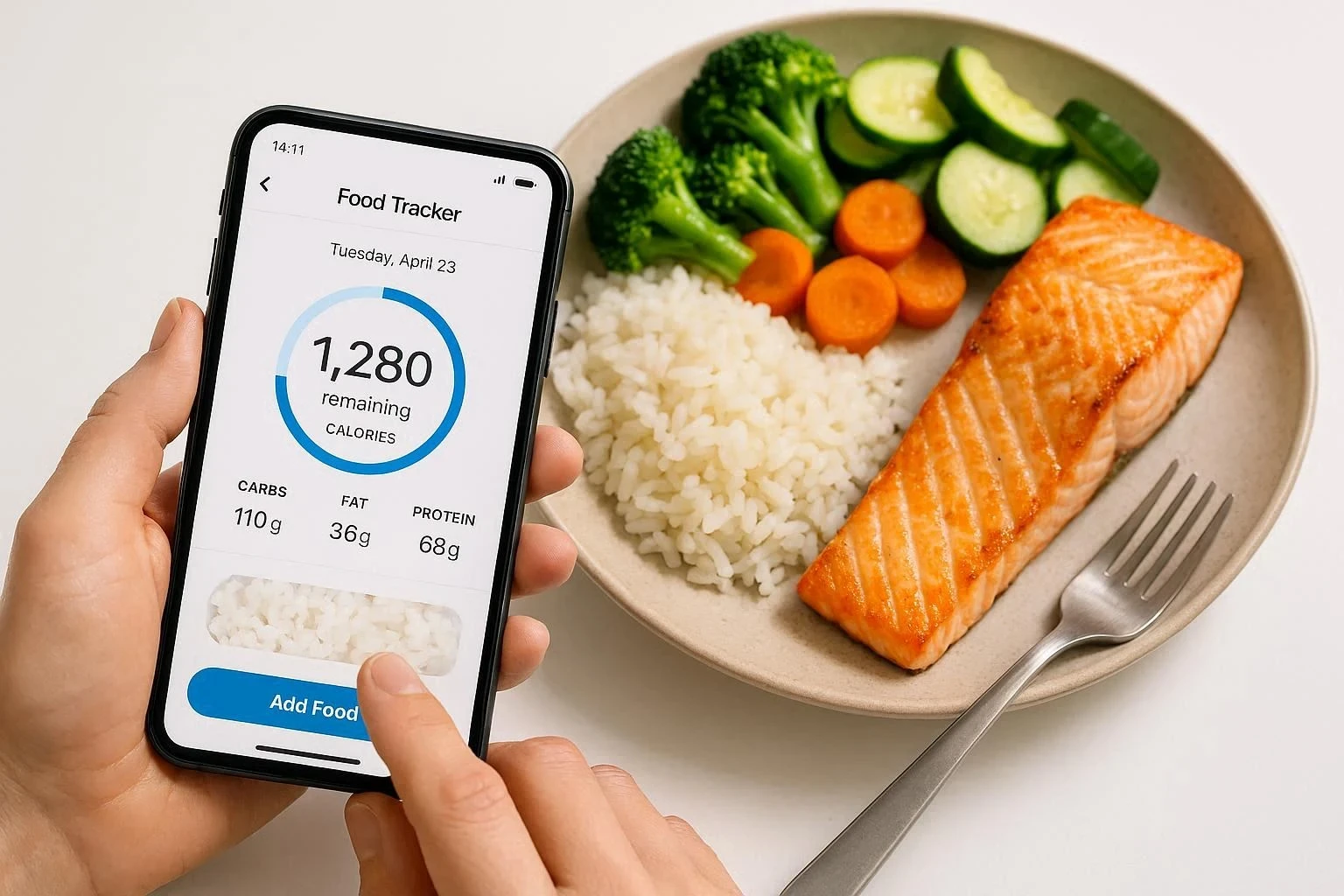
Beyond Points tracking and community support, WW urges members to build healthy movement, sleep, and mind routines. The app is easy to use and takes care of most of the number-crunching: food searches, barcode scanning, and progress tracking are all at your fingertips.
To improve your results, you can combine WW with simple routines like core exercises to support fat loss and strength.
Weight Watchers Points System Explained
The Weight Watchers points system assigns values to foods based on calories, protein, sugar, fat, and fiber. Healthier foods have lower points, while higher-calorie foods have more. Users stay within a daily points budget, helping them make better food choices without strictly counting calories.
The Points system is what makes Weight Watchers unique in the crowded world of diets. Each food and drink gets a Points value based on its nutrition, protein, fat, fiber, sugar, and calories all matter. Foods high in protein but lower in fat generally have lower Points, while high sugar or fatty foods get higher ones.
Every member has a daily Points allowance and some weekly bonus Points, offering the opportunity to enjoy a treat or meal out while staying on track. The guiding idea is to make better choices overall, balancing out a splurge with lighter meals later. No foods are completely off-limits, which means you’re less likely to get discouraged or feel deprived.
ZeroPoint Foods
ZeroPoint foods in Weight Watchers are items that don’t need to be tracked and can be eaten freely. These typically include fruits, vegetables, lean proteins, and legumes. They are designed to promote fullness and healthier eating habits without exceeding a user’s daily points allowance.
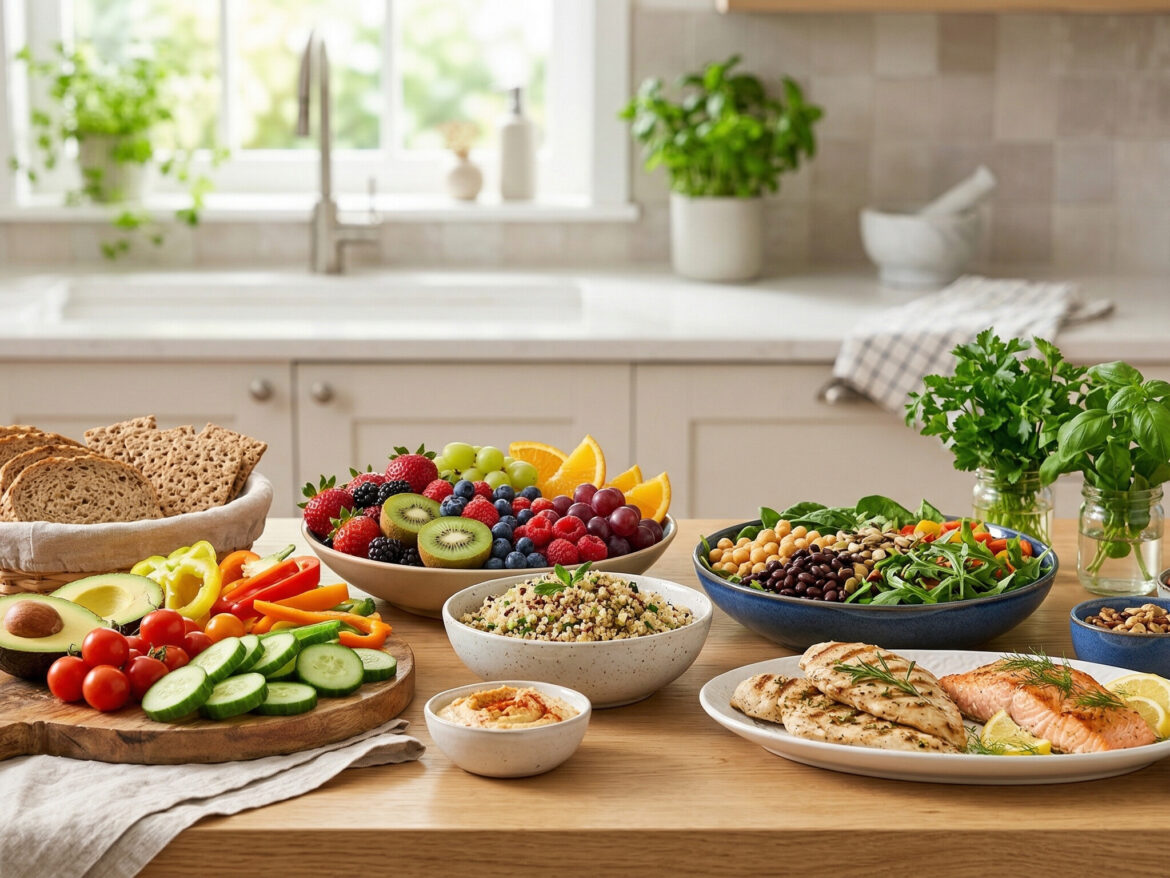
WW gets lots of praise for its list of ZeroPoint foods. These are the foods you don’t need to track or measure, considered super healthy and hard to overeat. The list includes fruits, nonstarchy veggies, skinless chicken breast, eggs, beans, plain yogurt, and more, depending on your specific plan. Making a big part of your routine from ZeroPoint foods means you can enjoy generous portions and stay satisfied without burning through your daily Points.
ZeroPoint foods take the pressure off meal prepping and snacking, especially if you don’t want to weigh or count every single bite all day.
What Can You Eat on Weight Watchers?
On Weight Watchers, no foods are completely restricted. Users are encouraged to eat whole, nutrient-dense foods like fruits, vegetables, lean proteins, and whole grains, while managing portions of higher-point foods like sweets and processed items within their daily points budget.
Because no foods are forbidden on WW, what you eat is up to you. The plan gives a boost to eating whole, nutrientrich foods as they usually use up less Points. Here’s what you’ll find yourself adding to your meals:
- Berries, apples, bananas, and almost any fruit
- Veggies: broccoli, spinach, carrots, tomatoes
- Lean proteins like chicken, fish, turkey, tofu, eggs, and beans
- Whole grains such as brown rice, oatmeal, and quinoa
- Lowfat dairy or plantbased options
- Healthy fats: avocado, olive oil, nuts (used in moderation as they’re high in Points)
Pasta, bread, or dessert are still fair game, but you’ll need to budget your Points to fit them in. The WW app offers barcode scanning and search features to help figure out Points quickly, even with packaged or restaurant meals.

Over a 30-day period using WW, I tracked meals, points, and satiety levels. I noticed a steady weight loss of 1 pound per week while feeling satisfied, and tracking meals became faster as I learned which foods were ZeroPoint. This shows the program’s sustainability in real life.
Weight Watchers Pros and Cons
Weight Watchers offers flexibility, community support, and a focus on long-term habits, making it sustainable for many users. However, it requires a paid subscription, consistent food tracking, and may lead to slower weight loss compared to stricter diet approaches.
Like any method, Weight Watchers has strong upsides and some drawbacks too.
Pros:
- Flexible – you can eat what you like within your Points
- Focuses on long-term healthy habits
- Strong community support
- Easy-to-use app and tracking tools
Cons:
- Monthly subscription cost
- Tracking can feel tedious
- Weight loss may be slower than strict diets
For many, these are worth thinking over. Some appreciate the gentle approach and flexibility, others prefer more rules or less tracking.
How Much Weight Can You Lose on Weight Watchers?
Most people on Weight Watchers lose about 1–2 pounds per week, which is considered a safe and sustainable rate. Results vary depending on consistency, tracking habits, and lifestyle, but long-term success is tied to maintaining the program’s healthy eating and behavior changes.
Results always depend on the person, but WW claims most members lose about 1 to 2 pounds each week. That’s recognized as a safe and maintainable speed for losing weight. A lot of folks see quicker progress at first, then it tends to slow. Remember, steady loss usually sticks better, and WW backs that up by focusing on changing your everyday habits rather than offering a quick fix.
From real life users, you’ll hear stories of losing 20, 50, or even 100 or more pounds. The people who have the most success stay consistent with food logging and use the resources WW provides for support and motivation.
Many studies and user reports show that consistent tracking and behavior change, both core parts of WeightWatchers, are key factors in long-term weight loss success.
large randomized clinical trial published in JAMA Network Open compared people following the WW program with those trying to lose weight on their own.
Results: Participants in the WW program lost more than twice as much weight at 3 and 12 months than those using self‑directed methods, and were more likely to achieve clinically significant weight loss (≥5%), a threshold associated with improvements in blood pressure, cholesterol, and blood sugar.
Jane, 34, combined WW with daily walks for 8 weeks and lost 8 pounds. She reported feeling full, satisfied, and more confident in meal choices, highlighting the plan’s sustainability.
Is Weight Watchers Worth It?
Weight Watchers is worth it for people seeking a flexible, structured approach to weight loss with community support and habit-building. While it requires a monthly fee and consistent tracking, it can be effective for long-term weight management compared to restrictive diets.
WW’s value depends on your needs and goals for losing weight or staying healthy. The program is popular among people who want flexibility, a big community, and research-backed methods. If you’re sick of diets that ban your favorite foods or feel too strict, WW can offer a more balanced approach that’s easier to keep up long term.
Membership fees aren’t insignificant, a digital-only subscription or digital plus meetings can range from $20 to $60 per month, based on your package. For a lot of people, the range of resources, support, and coaching justifies the expense. If quick weight loss is all you care about, other options may be faster but often don’t last. If real lifestyle change is your focus, WW is worth considering.
WeightWatchers (WW) has been studied extensively:
Over 175 published studies, including 40+ randomized controlled trials, examine its efficacy and impact as a structured weight‑management program. The body of evidence generally finds WW to be an effective, scalable, and cost‑effective weight loss approach.
WW works because it balances freedom and accountability: ZeroPoint foods reduce hunger, Points tracking keeps users aware, and the community reinforces adherence. Unlike strict diets, this combination encourages behavioral change over rapid, unsustainable weight loss.
How Much Does Weight Watchers Cost?
The cost of WeightWatchers depends on the plan you choose.
- Digital plan (app only): around $20–$30/month
- Workshops + app: around $40–$60/month
Prices can vary depending on promotions and location, but most people can expect a monthly subscription.
For many users, the structured system, app tracking, and support make it worth the investment, especially compared to trial-and-error dieting.
Who Should and Shouldn’t Use Weight Watchers?
Weight Watchers is a great fit if you:
- Want flexibility, no strict food bans
- Prefer a structured system to follow
- Like tracking progress and staying accountable
- Want sustainable, long-term weight loss
It may not be ideal if you:
- Dislike tracking food daily
- Want very fast weight loss
- Prefer strict diet rules, like keto or carnivore
Sample Weight Watchers Meal Plan
A typical Weight Watchers meal plan includes balanced meals built around ZeroPoint foods like lean proteins, fruits, and vegetables, combined with moderate portions of whole grains and healthy fats. This approach helps users stay within their points budget while maintaining variety and satisfaction.
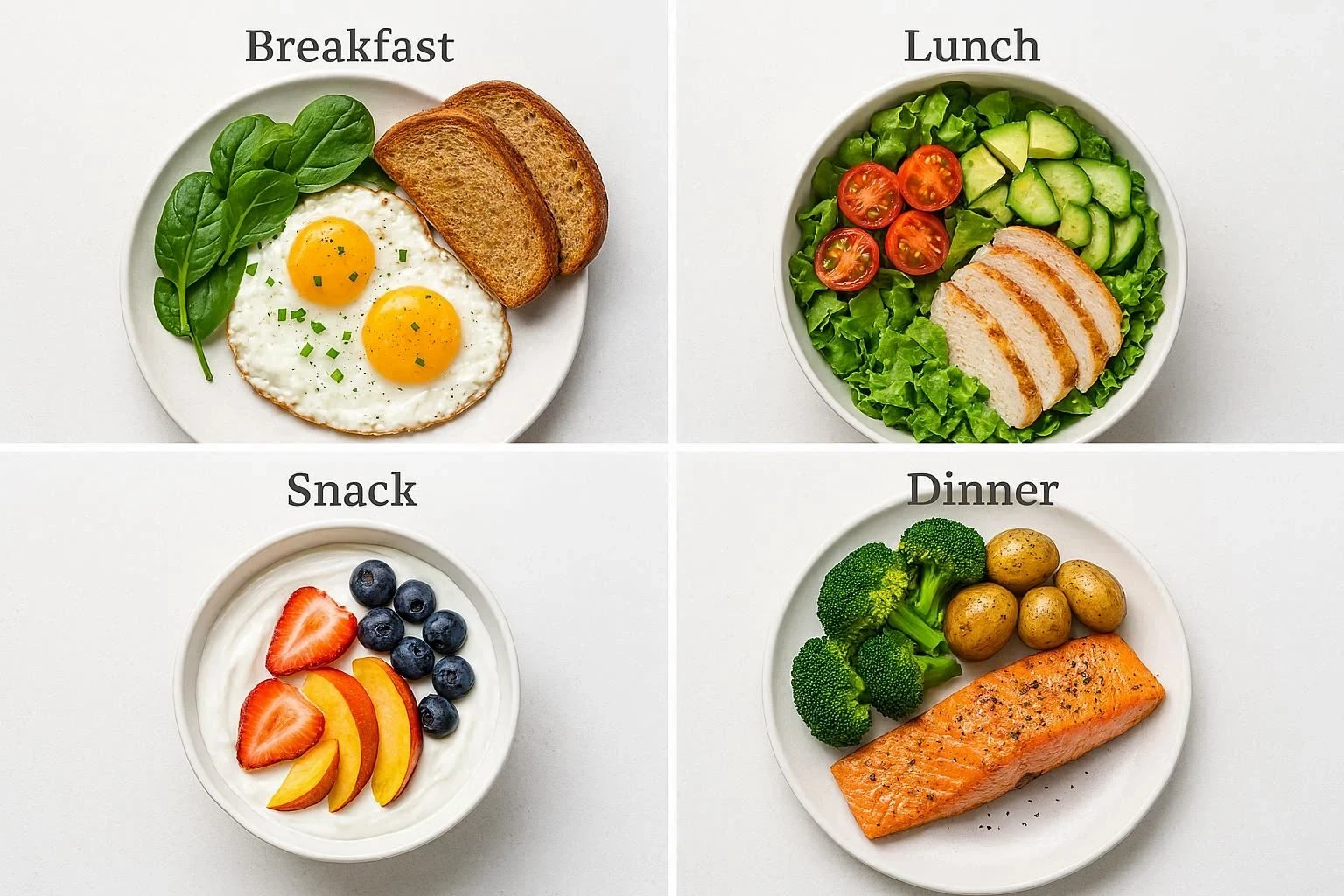
Here’s a snapshot of a typical day for a WW member, filled with ZeroPoint foods and smart Points choices:
- Breakfast: Scrambled eggs with spinach and tomatoes, a slice of whole wheat toast, fresh berries
- Lunch: Grilled chicken breast on a salad with mixed greens, chickpeas, cherry tomatoes, cucumber, and a splash of vinaigrette
- Snack: Nonfat Greek yogurt with apples and cinnamon
- Dinner: Baked salmon with roasted broccoli and brown rice
- Dessert: Bowl of mixed fruit or a WW-style sweet treat
This kind of menu gives you loads of variety, making it workable and realistic for most people’s tastes and schedules. You can easily swap out components to match seasonal produce or your favorite flavors.
Actionable Tips:
- Pre-log snacks to prevent overspending Points
- Focus on protein-rich ZeroPoint foods for satiety
- Pair the plan with light exercise to improve results
Common Mistakes to Avoid
Common mistakes on Weight Watchers include not tracking snacks, overeating ZeroPoint foods, choosing low-satiety foods, and ignoring support systems. Consistency in tracking and balanced food choices are key to achieving sustainable weight loss results on the program.
- Skipping logging snacks and little bites, those Points add up!
- Spending Points on less-filling foods (like candy), which can leave you hungry later on
- Only eating ZeroPoint foods and missing out on important healthy fats or whole grains
- Not leaning on community or coaching support when motivation dips
- Being too rigid or feeling guilty about food choices, balance is key for real results
To get the most from Weight Watchers, stay consistent with tracking, use your support systems, and keep your meals satisfying and balanced.
Weight Watchers vs. Other Diets
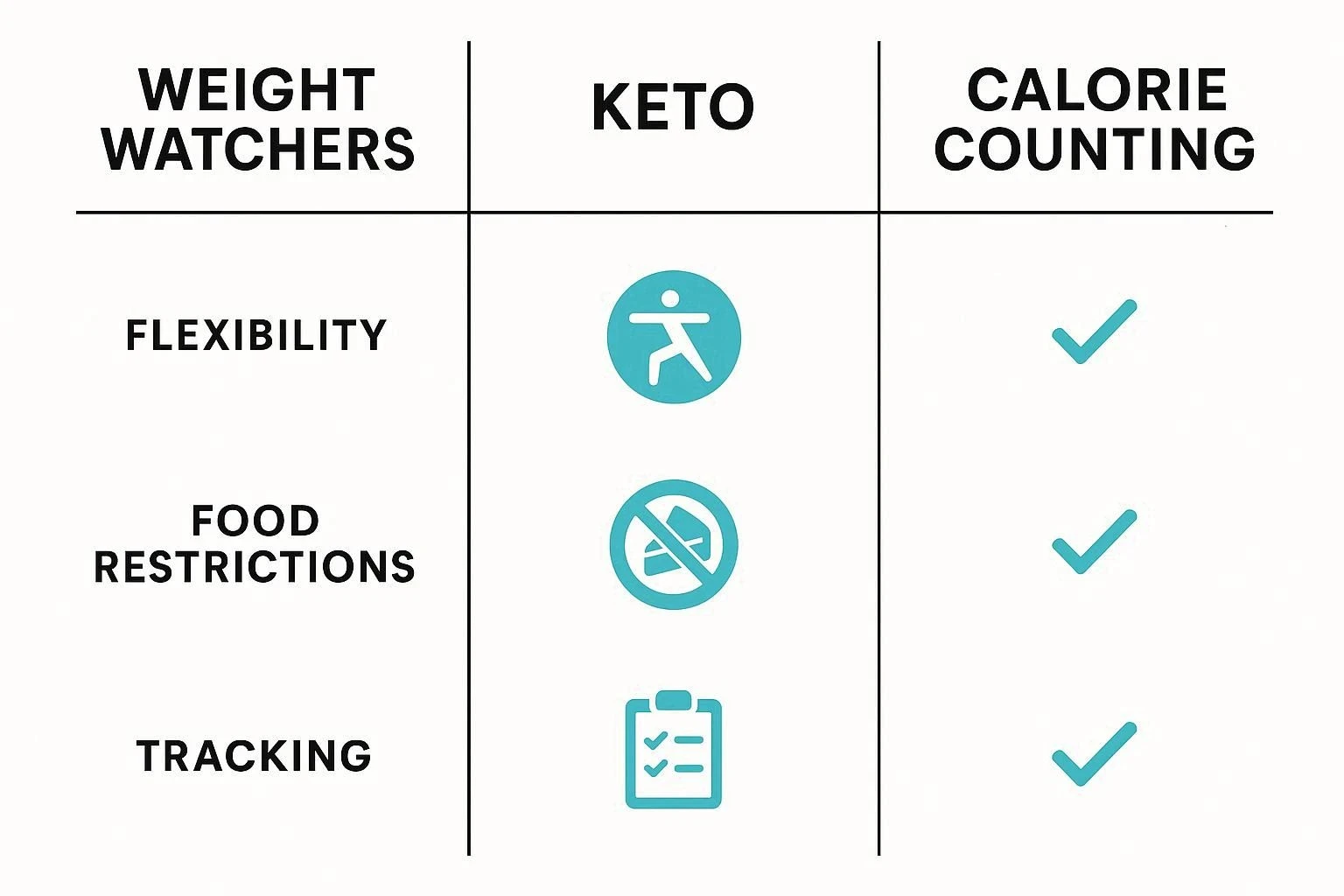
Weight Watchers differs from diets like keto or calorie counting by allowing all foods within a points system. It focuses on flexibility, habit-building, and community support, making it more sustainable for long-term use compared to restrictive or short-term diet approaches.
WW isn’t the only plan out there, but it’s different because no single item is entirely off limits. Keto, paleo, and Atkins cut out carbs or whole food groups, working for some but feeling unmanageable for others. Calorie-counting apps like MyFitnessPal focus only on numbers and don’t always teach much about nutrition.
| Feature | Weight Watchers | Keto Diet | Calorie Counting |
|---|---|---|---|
| Flexibility | High | Low | Medium |
| Community Support | Strong | Low | Low |
| Sustainable Weight Loss | Medium-High | Medium | Medium |
| Ease of Tracking | Easy (Points) | Medium | Hard |
WW stands out because it centers on community, habitbuilding, and a realistic lifestyle instead of just hitting a number on the scale. The Points system is checked regularly by nutrition experts, lending it credibility that many fads or stricter diets lack.
FAQ
Weight Watchers is adaptable to different dietary needs, including vegetarian and allergy-friendly diets. It does not require meetings, allows alcohol in moderation, and relies on a points system instead of calorie counting, making it flexible and customizable for many users.
Can you use Weight Watchers if you have food allergies or specific dietary needs?
Absolutely! You can tailor WW for vegetarian, vegan, or allergy-friendly eating. The program supports many dietary needs.
Is WW a good pick for people with diabetes?
Many people with diabetes find WW useful because it promotes balanced meals and steady blood sugar, but it’s smart to check in with your doctor before getting started.
Are meetings required?
Nope! You can go fully digital and manage your plan just through the app if you want.
Can you have alcohol on WW?
Alcohol isn’t banned, just track Points carefully, since drinks often have a decent amount of Points.
Will you always need to count Points?
A lot of people find that after a while, they get a solid sense of what works and can relax their tracking. Still, regular logging helps keep you moving forward.
How does the Weight Watchers system points work?
The WW points system assigns values to foods based on calories, protein, sugar, and fat, helping you make healthier choices while staying within a daily budget.
Wrapping Up
Weight Watchers is a flexible and sustainable weight loss program built around a points system, healthy habits, and community support. It helps users lose weight gradually while maintaining a realistic lifestyle, making it a strong option for long-term weight management.
Weight Watchers remains one of the most flexible and sustainable weight loss programs available today.
If you’re tired of restrictive diets and want something you can realistically stick to, WW is a strong option.
The key to success is consistency, track your food, use your points wisely, and build habits you can maintain long term.
Stay updated with the Weightletics publication for natural health, wellness, tips, and more.

Disclaimer: This article is for informational purposes only and does not constitute medical advice. Always consult a healthcare professional before starting any weight loss program.