

 Dany
Dany Adaptogens are herbs and mushrooms that help the body adapt to physical and emotional stress. While they don’t directly burn fat, some adaptogens, such as ashwagandha, rhodiola, Panax ginseng, and cordyceps, may support weight loss indirectly by improving energy, reducing stress-related eating, supporting exercise performance, and making healthy habits easier to maintain. The strongest results still come from combining adaptogens with a balanced diet, regular physical activity, and quality sleep.
If you’ve ever searched for natural ways to get an extra boost on your weight loss adventure, you may have landed on something called adaptogens. Adaptogens are herbal ingredients in supplements, teas, or powders that have been used for centuries in places like China and India to help the body handle stress, balance energy, and even support metabolism. I’ve personally tried a handful, and I find they aren’t magic pills. However, with the right diet, regular movement, and solid habits, they can offer some real backup.
Sometimes, losing weight isn’t just about calories or workouts. It’s about energy, stress, sleep, and hormones too. When those pieces get out of whack, it gets harder to stick with healthy habits. Adaptogens step in for a helping hand: some help you feel more focused, steady your mood, or pep up low energy so making healthy choices feels doable again. This roundup focuses on seven adaptogens for weight loss that can support metabolism, curb cravings, and help you feel your best without wearing out your system.
TL;DR: Adaptogens for Weight Loss
Adaptogens are herbs and roots that help with stress and energy levels. Some picks, like ashwagandha, rhodiola, and ginseng, can support your weight loss goals by balancing stress hormones, increasing fat burn, and making workouts feel easier. Adding the right adaptogen to your routine can work as a steady partner alongside healthy food and regular movement.
- What Are Adaptogens & How Do They Help Weight Loss?
- How I Chose These Adaptogens
- 1. Ashwagandha: Balanced Cortisol for Less Belly Fat
- 2. Rhodiola Rosea: Boosts Endurance and Burns Fat
- 3. Panax Ginseng: Metabolism Support and More Motivation
- 4. Holy Basil (Tulsi): Curb Stress Eating
- 5. Schisandra Berry: Natural Fat Burner and Mood Lifter
- 6. Maca Root: For Mood, Hormones, and Workouts
- 7. Cordyceps: Fatigue Fighter and Oxygen Booster
- Possible Side Effects of Adaptogens
- Who Should Avoid Adaptogens?
- How to Choose a High-Quality Adaptogen Supplement
- I Want Results: How to Use Adaptogens Safely
- Summary: Do Adaptogens Really Help With Weight Loss?
- Action Plan: How to Get Started with Adaptogens for Weight Loss
- FAQ: Adaptogens for Weight Loss
- Key Takeaways
- Adaptogens: A Natural Boost That Works With You
| Adaptogen | Best For | Evidence | Best Form |
|---|---|---|---|
| Ashwagandha | Stress eating | ⭐⭐⭐⭐ | Capsules |
| Rhodiola | Energy | ⭐⭐⭐⭐ | Capsules |
| Panax Ginseng | Metabolism | ⭐⭐⭐ | Extract |
| Holy Basil | Stress | ⭐⭐⭐ | Tea |
| Schisandra | Focus | ⭐⭐ | Powder |
| Maca | Hormones | ⭐⭐ | Powder |
| Cordyceps | Endurance | ⭐⭐⭐ | Capsules |
What Are Adaptogens & How Do They Help Weight Loss?
Adaptogens are herbs and mushrooms that help the body respond to physical and emotional stress. They don’t directly burn fat, but some may support weight loss indirectly by improving energy, reducing stress-related eating, supporting exercise performance, and making it easier to maintain healthy lifestyle habits.
Adaptogens are a type of plant that helps your body handle stress, physical, mental, or emotional. I started using adaptogens during a really stressful work stretch, hoping to steady my energy. Over time, I noticed better focus and fewer snack attacks, especially when work or life got busy. That’s pretty handy for sticking to a healthy eating routine. Scientific studies back up their ability to reduce cortisol (the stress hormone), which is often linked to weight gain around the belly. Healthline has a deeper dive if you want to check out more of the research.
Adaptogens are generally safe and easy to work into your daily routine. Think smoothies, herbal teas, or capsule supplements. Still, it helps to talk with a healthcare provider if you have any health conditions or take medication, just to be safe.
How I Chose These Adaptogens
I selected these adaptogens based on current human research, traditional use, safety, availability, and my own experience using them for stress management, energy, and workout consistency. While evidence varies between herbs, each has shown potential to support healthy habits linked to successful weight management.
There are dozens of herbs and mushrooms marketed as adaptogens, but not all have the same level of research or practical benefits for weight management. To create this list, I focused on adaptogens that met the following criteria:
- Scientific evidence: I looked for adaptogens supported by human studies or promising clinical research related to stress, energy, metabolism, or exercise performance.
- Traditional use: Many of these herbs have been used for centuries in traditional systems like Ayurveda and Traditional Chinese Medicine for supporting overall health and resilience.
- My personal experience: I included adaptogens I’ve personally used and found helpful for managing stress, improving energy, or staying consistent with healthy habits. While everyone’s experience is different, I wanted to share what has worked for me.
- Safety and availability: I prioritized adaptogens that are widely available from reputable brands and have a generally good safety profile when used as directed.
It’s important to remember that no adaptogen can replace a healthy diet, regular exercise, quality sleep, or good stress management. Think of these herbs as supportive tools that may make it easier to stick with the habits that truly drive long-term weight loss.
Note: This article contains affiliate products. We earn a commission if you make a purchase, at no additional cost to you.
1. Ashwagandha: Balanced Cortisol for Less Belly Fat
Ashwagandha is a go-to for stress management and steadying energy.
I first tried ashwagandha during a particularly stressful period when work deadlines were piling up and I found myself constantly reaching for snacks in the afternoon. After a few weeks of taking it consistently, I noticed I felt calmer, slept a little better, and wasn’t as tempted to eat out of stress. I didn’t see dramatic weight loss from the supplement itself, but it made it easier to stick to healthier habits, which is what really made the difference.
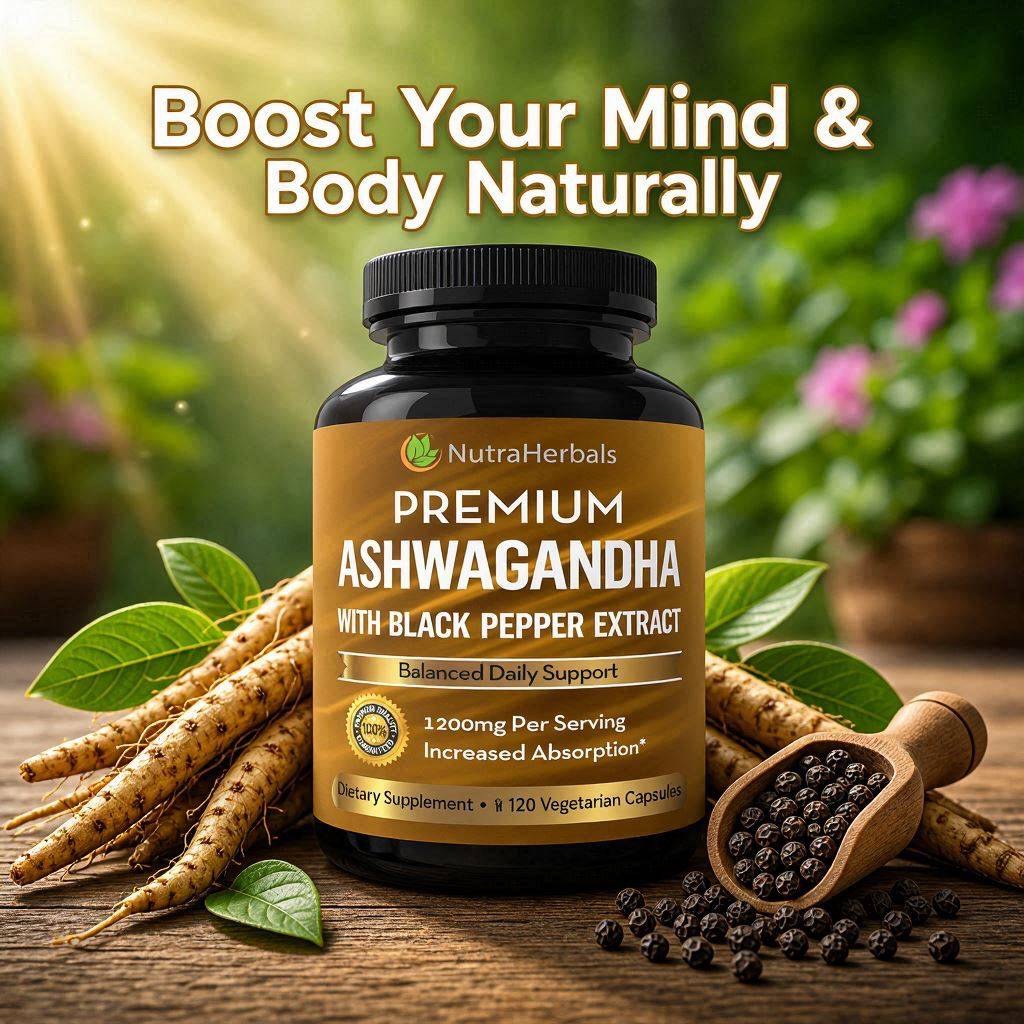
High cortisol (stress hormone) makes it tough to lose belly fat, and ashwagandha helps by supporting lower stress levels and improving sleep quality. Lower stress means fewer emotional cravings and more stable energy.
- Cortisol reduction = better metabolism
- May support thyroid health for energy regulation
- Best in capsules, teas, or as a powder in smoothies
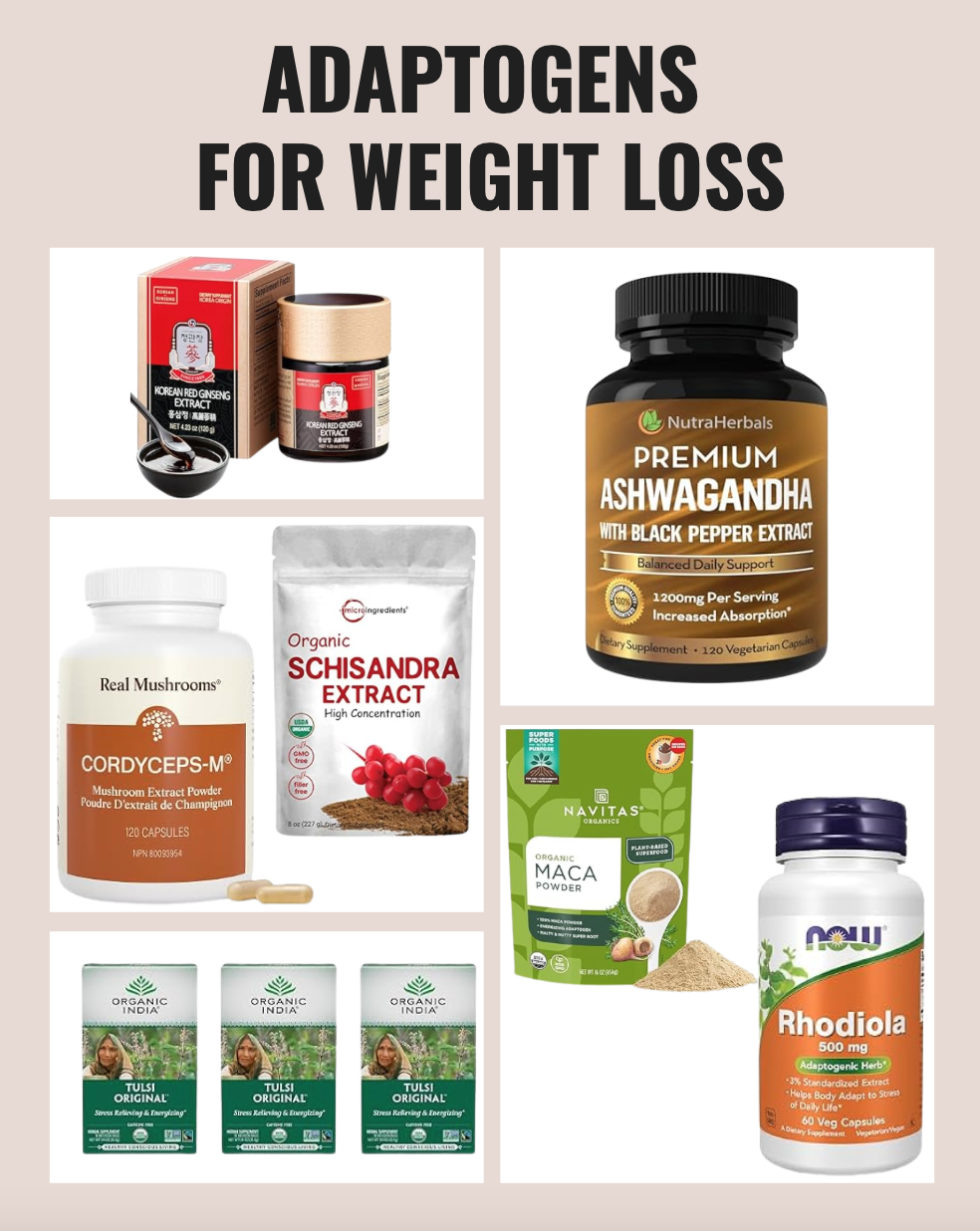
- My recommended pick: Nutraherbals Ashwagandha Capsules
Why I recommend it: I like this supplement because it uses a standardized extract, clearly states the dosage on the label, and comes from a brand with a good reputation for quality. It’s also easy to incorporate into a daily routine with convenient capsules.
What the Research Says
Several human studies suggest that ashwagandha may help lower cortisol, the body’s primary stress hormone. Since chronic stress is associated with increased appetite, emotional eating, and belly fat, managing cortisol may indirectly support weight loss. Research has also found improvements in sleep quality and perceived stress, which can make it easier to maintain healthy habits. While the findings are encouraging, more large-scale studies are still needed.
Best For
– Stress eating
– High cortisol
– Poor sleep
– Emotional cravings
– Beginners looking for an easy-to-use adaptogen
My Personal Rating
| Category | Rating |
|---|---|
| Stress Relief | ⭐⭐⭐⭐⭐ |
| Energy Support | ⭐⭐⭐⭐☆ |
| Weight Loss Support | ⭐⭐⭐⭐☆ |
| Ease of Use | ⭐⭐⭐⭐⭐ |
| Value for Money | ⭐⭐⭐⭐⭐ |
| Overall | ⭐⭐⭐⭐⭐ |
Why: Ashwagandha is my go-to adaptogen for managing stress and improving sleep. While it won’t burn fat on its own, reducing stress has made it easier for me to stay consistent with healthy eating and exercise.
2. Rhodiola Rosea: Boosts Endurance and Burns Fat
If you struggle to get through workouts or feel wiped after a few sprints, Rhodiola is one worth checking out. It’s been shown to improve energy, endurance, and fat burning, so every walk or gym session feels less like a chore.
Rhodiola has become one of my favorite adaptogens before longer hikes or active weekends. I don’t feel a sudden burst of energy like I would with coffee, but I do notice that I get through long walks and challenging trails with less fatigue. For me, that extra endurance makes it easier to stay active without feeling completely drained afterward.
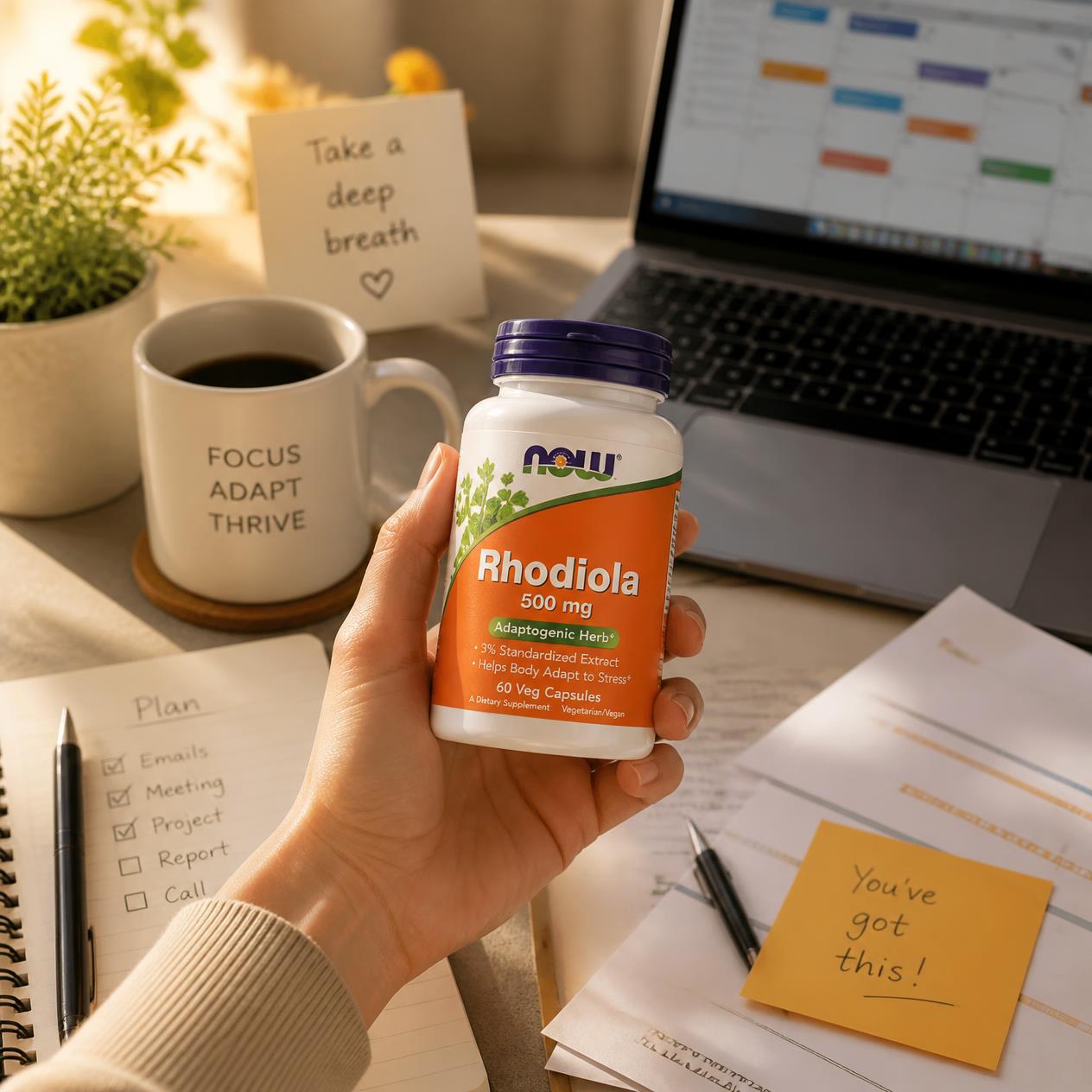
- Supports better oxygen use and aerobic performance
- Reduces fatigue, helpful for cranking up exercise intensity
- Try in capsule form or steeped as a light tea
- My recommended pick: NOW Supplements Rhodiola
Why I recommend it: NOW Foods is a well-known supplement company that provides clear labeling and consistent quality. This rhodiola supplement offers a standardized extract and is a practical option for anyone looking to support energy and endurance.
What the Research Says
Rhodiola has been studied for its ability to reduce fatigue and improve physical performance. Some research suggests it may help the body use oxygen more efficiently during exercise, making workouts feel less demanding. Although it doesn’t directly burn fat, increased endurance can help you stay active for longer and burn more calories over time.
Best For
– Low energy
– Workout performance
– Fatigue
– Busy professionals
– Morning exercise
My Personal Rating
| Category | Rating |
|---|---|
| Stress Relief | ⭐⭐⭐⭐☆ |
| Energy Support | ⭐⭐⭐⭐⭐ |
| Workout Performance | ⭐⭐⭐⭐⭐ |
| Weight Loss Support | ⭐⭐⭐⭐☆ |
| Ease of Use | ⭐⭐⭐⭐☆ |
| Overall | ⭐⭐⭐⭐⭐ |
Why: Rhodiola is my favorite before long walks or hikes. I notice better stamina and less fatigue, which helps me stay active for longer without relying on caffeine.
3. Panax Ginseng: Metabolism Support and More Motivation
Panax ginseng is a classic in natural medicine for a reason. I usually reach for Panax ginseng during particularly busy weeks when my energy starts to dip. What I appreciate most is that the boost feels steady rather than overwhelming. It helps me stay productive and motivated to fit in a workout after work instead of skipping it because I’m tired.
Ginseng may help your body burn more fat during activity and can help balance blood sugar, cutting down on wild cravings.
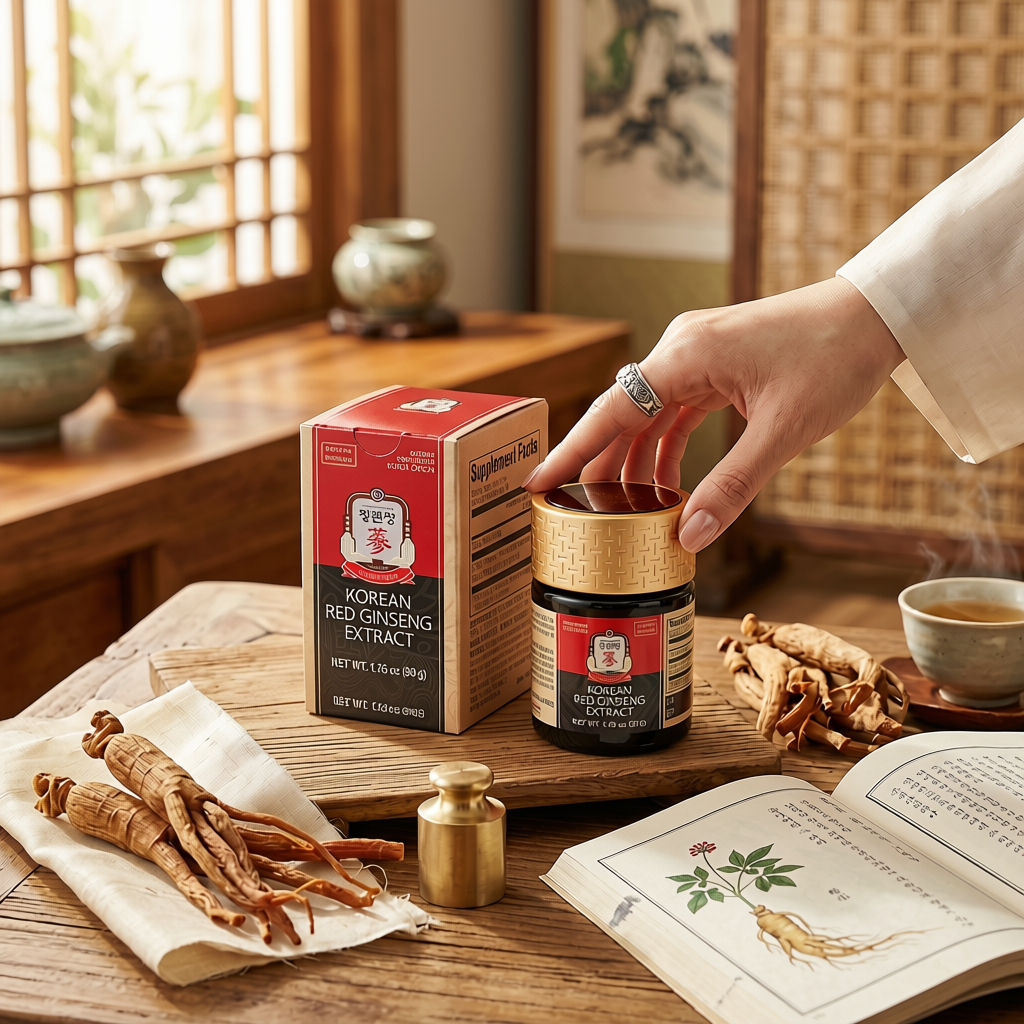
- May improve insulin sensitivity and energy
- Backed by small studies for reducing food intake
- Found as pills, teas, and even chewy candies
- My recommend pick: Korean Red Panax Ginseng Extract
Why I recommend it: I like this extract because it uses Korean red ginseng, one of the most researched forms of Panax ginseng. The concentrated extract makes it easy to get a consistent serving without taking multiple capsules.
What the Research Says
Panax ginseng has been researched for its effects on metabolism, blood sugar regulation, and physical performance. Some studies suggest it may improve insulin sensitivity and help regulate appetite, although the evidence for weight loss itself remains limited. Most researchers agree that ginseng works best when combined with a healthy diet and regular exercise.
Best For
– Low motivation
– Stable energy
– Blood sugar support
– Active lifestyles
My Personal Rating
| Category | Rating |
|---|---|
| Energy Support | ⭐⭐⭐⭐⭐ |
| Metabolism Support | ⭐⭐⭐⭐☆ |
| Appetite Support | ⭐⭐⭐☆☆ |
| Ease of Use | ⭐⭐⭐⭐☆ |
| Value for Money | ⭐⭐⭐⭐☆ |
| Overall | ⭐⭐⭐⭐☆ |
Why: Panax ginseng gives me a smooth, steady energy boost without the crash I sometimes get from coffee. I reach for it during busy weeks when I need extra motivation.
4. Holy Basil (Tulsi): Curb Stress Eating
Holy basil, also called tulsi, has a mellow, almost floral flavor if you find it as a tea. Holy basil quickly became one of my favorite evening teas. On stressful days, I enjoy a warm cup after dinner because it helps me unwind and creates a nice break before bedtime. While it doesn’t stop cravings completely, I find it easier to avoid unnecessary late-night snacking when I’m feeling more relaxed.
Holy basil helps balance cortisol and might reduce that urge to eat for comfort or boredom, not hunger.

- Great for reducing mild anxiety and mood swings
- Eases inflammation and helps digestion
- Tasty as tea or sprinkled on salads
- My recommended pick pick: Organic India Tulsi Tea
Why I recommend it: This is one of my favorite ways to enjoy holy basil because it’s simple, convenient, and made with organic ingredients. I especially like having a cup in the evening when I want to relax without caffeine.
What the Research Says
Holy basil is best known for helping the body adapt to stress. Early studies suggest it may help reduce cortisol levels while supporting mood and overall well-being. By making stress easier to manage, tulsi may help reduce emotional eating and improve consistency with healthy habits.
Best For
– Stress eating
– Anxiety
– Evening relaxation
– Tea drinkers
My Personal Rating
| Category | Rating |
|---|---|
| Stress Relief | ⭐⭐⭐⭐⭐ |
| Relaxation | ⭐⭐⭐⭐⭐ |
| Weight Loss Support | ⭐⭐⭐☆☆ |
| Ease of Use | ⭐⭐⭐⭐⭐ |
| Taste | ⭐⭐⭐⭐⭐ |
| Overall | ⭐⭐⭐⭐☆ |
Why: I enjoy tulsi tea in the evenings when stress levels are high. It helps me unwind and makes it easier to avoid mindless evening snacking.
5. Schisandra Berry: Natural Fat Burner and Mood Lifter
Schisandra doesn’t get as much of the spotlight, but it gives an interesting sweet-tart flavor and a smooth, steady energy boost. Traditional medicine uses it for improving liver function, helping the body burn fat more effectively.
Schisandra was probably the biggest surprise for me because I hadn’t heard much about it before trying it. I enjoy it on workdays when I need to stay focused for long periods. The energy feels smooth and steady without the jittery feeling I sometimes get from too much caffeine.
Schisandra has also been studied for its strong antioxidant content, which may further support weight loss by easing inflammation that can hinder metabolism. Its adaptogenic benefits include better focus and stress resilience, making it easier to maintain healthy habits.
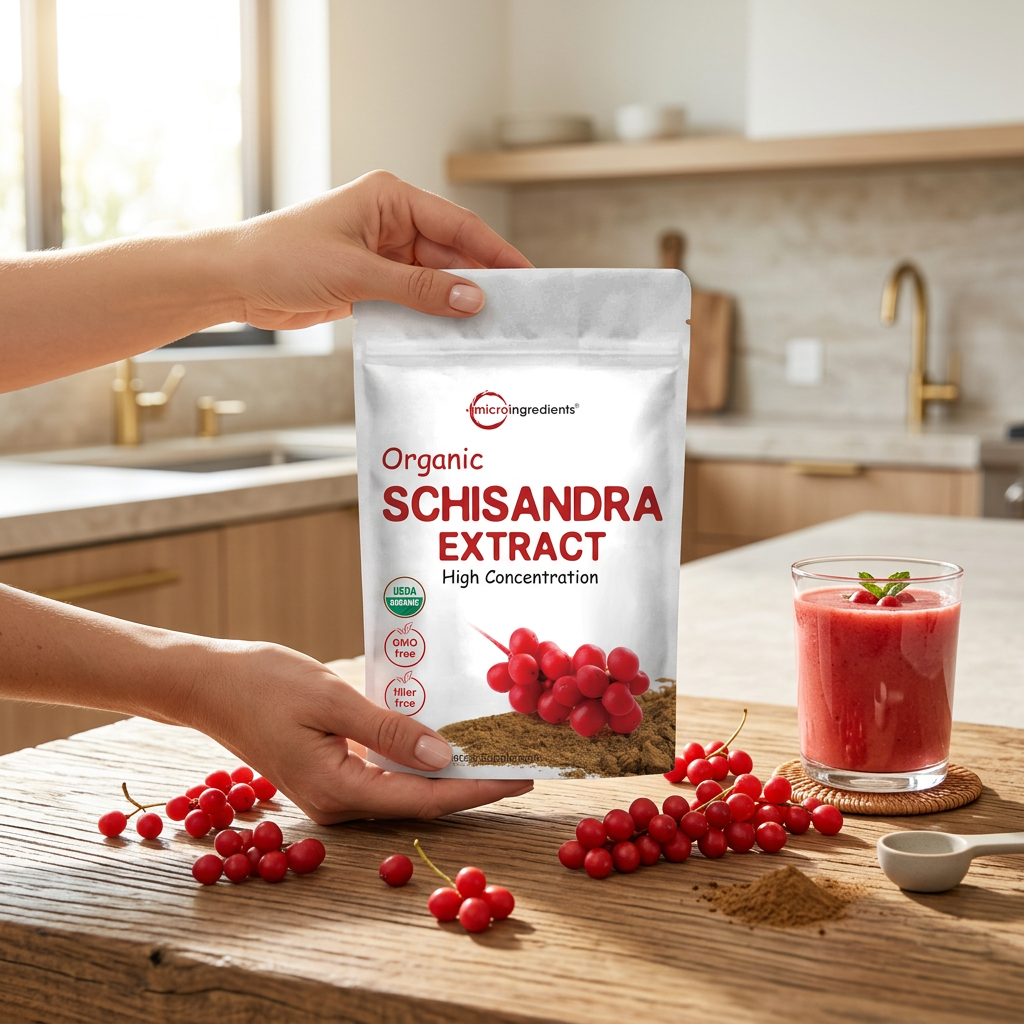
- Households in China use it to fight fatigue and improve stamina
- Helps clear mental fog and supports liver detox
- Look for powder or berryinfused tea
- My recommended pick: Whole Schisandra Berry Powder
Why I recommend it: Powdered schisandra is incredibly versatile. You can mix it into smoothies, yogurt, or herbal drinks, making it easy to include in your routine without taking another capsule.
What the Research Says
Research on schisandra is still emerging, but studies suggest it has strong antioxidant properties and may support liver health and energy metabolism. While there isn’t strong evidence that it directly promotes weight loss, its ability to reduce fatigue and improve focus may make it easier to maintain an active lifestyle.
Best For
– Mental focus
– Afternoon energy
– Antioxidant support
– Busy workdays
My Personal Rating
| Category | Rating |
|---|---|
| Mental Focus | ⭐⭐⭐⭐⭐ |
| Energy Support | ⭐⭐⭐⭐☆ |
| Weight Loss Support | ⭐⭐⭐☆☆ |
| Ease of Use | ⭐⭐⭐☆☆ |
| Overall Wellness | ⭐⭐⭐⭐☆ |
| Overall | ⭐⭐⭐⭐☆ |
Why: Schisandra isn’t as well known, but I like its steady, caffeine-free energy. It’s especially useful when I need to stay focused during long workdays.
6. Maca Root: For Mood, Hormones, and Workouts
Maca has a sweet, nutty flavor (basically tastes like malted milk powder),it is one of the easiest adaptogens to include in my routine because I simply mix the powder into my morning smoothie or oatmeal. I enjoy its slightly nutty flavor, and over time I’ve noticed a more consistent energy level throughout the day. It’s become one of those small habits that’s easy to maintain.
It’s fantastic if hormone changes make weight control harder, and it gives a mild stamina pop without overdoing it. Maca is especially helpful for women navigating hormonal shifts but works for men too, supporting fertility and physical performance. Some research suggests maca may also help curb appetite and balance blood sugar, indirectly supporting weight goals.

- Can support endurance and postworkout recovery
- Helpful for both men’s and women’s hormone balance
- Simple powder form to mix with yogurt or drinks
- My recommended pick: Navitas Organics Maca Powder
Why I recommend it: I’ve always preferred maca in powder form because it’s easy to add to smoothies, oatmeal, or yogurt. Navitas Organics is also known for sourcing high-quality organic ingredients.
What the Research Says
Maca has traditionally been used to support energy, stamina, and hormone balance. Human research has shown promising effects on mood and exercise performance, although direct evidence for weight loss remains limited. Many people use maca because it helps them feel more energetic and consistent with exercise.
Best For
– Hormonal changes
– Mood support
– Smoothies
– Exercise motivation
My Personal Rating
| Category | Rating |
|---|---|
| Mood Support | ⭐⭐⭐⭐⭐ |
| Energy Support | ⭐⭐⭐⭐☆ |
| Hormone Support | ⭐⭐⭐⭐☆ |
| Weight Loss Support | ⭐⭐⭐☆☆ |
| Ease of Use | ⭐⭐⭐⭐⭐ |
| Overall | ⭐⭐⭐⭐☆ |
Why: Maca blends easily into smoothies and oatmeal, making it one of the easiest adaptogens to use daily. I appreciate its subtle boost in energy and mood, especially during hectic periods.
7. Cordyceps: Fatigue Fighter and Oxygen Booster
Cordyceps is technically a mushroom, not an herb, but it sits in the adaptogen family because of its strong effect on energy, lung function, and endurance. Whenever I hit a plateau in my workouts, I go for cordyceps.
Whenever my workouts start feeling repetitive or my motivation dips, cordyceps is the adaptogen I tend to revisit. I especially notice the difference during longer cardio sessions, where I feel like I can keep going a bit longer before getting tired. It’s not a dramatic change, but over time those extra minutes of activity really add up.
Athletes often use cordyceps to boost oxygen intake, which helps fuel muscles and can help the body burn fat more efficiently. Plus, it may help protect against mid-day energy crashes and support immune function during intense training or busy stretches.
- Linked to improved physical performance
- May help burn more fat during cardio
- Available in capsules, powders, or as a fun hot chocolate blend
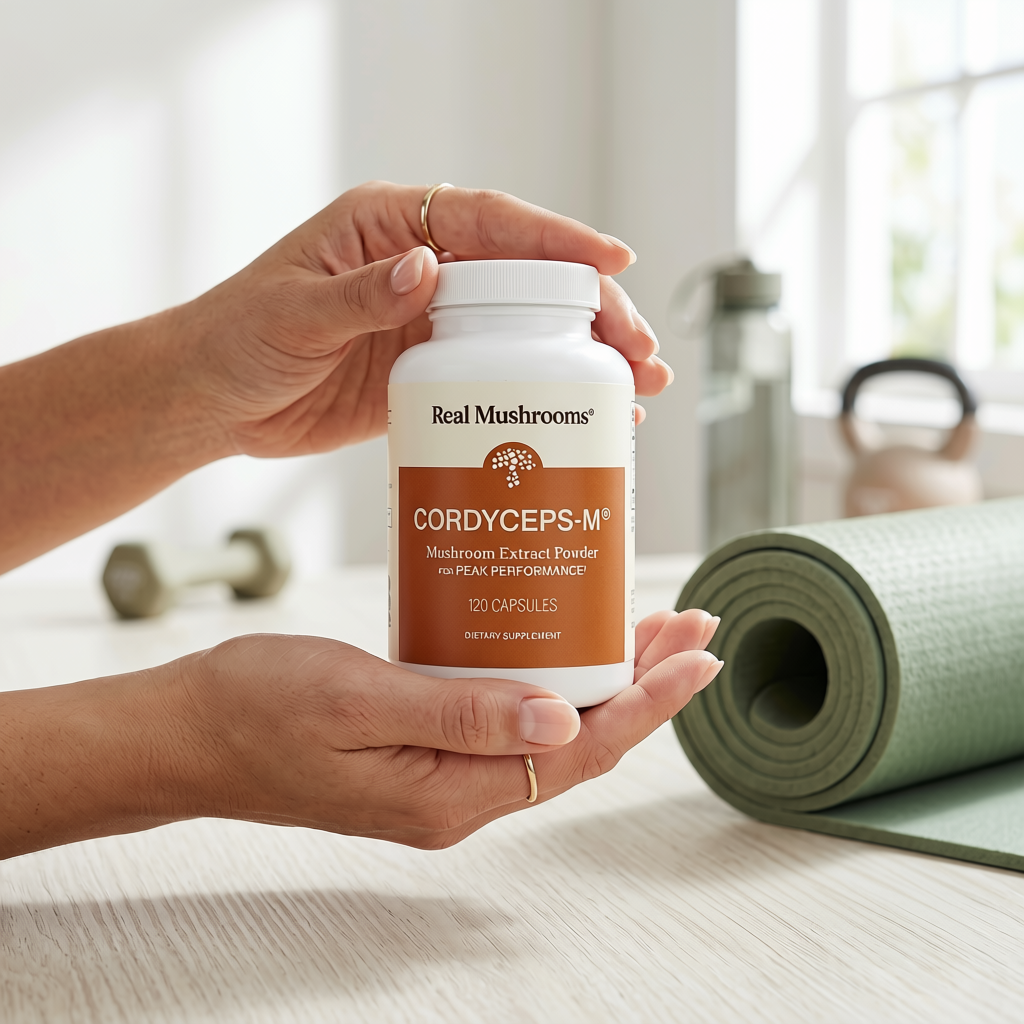
- My recommended pick: Real Mushrooms Cordyceps Capsules
Why I recommend it: I like that this supplement uses mushroom fruiting bodies rather than primarily mycelium, and the company is transparent about its ingredients. It’s a convenient option for anyone looking to support energy and exercise performance.
What the Research Says
Cordyceps has been widely studied for improving endurance and oxygen utilization during exercise. Some studies show it may help reduce fatigue and improve aerobic performance, especially during moderate-intensity activity. Although it doesn’t directly burn fat, better exercise capacity may contribute to greater calorie expenditure over time.
Best For
– Cardio
– Running
– Hiking
– Gym workouts
– Recovery
My Personal Rating
| Category | Rating |
|---|---|
| Workout Performance | ⭐⭐⭐⭐⭐ |
| Energy Support | ⭐⭐⭐⭐⭐ |
| Recovery | ⭐⭐⭐⭐☆ |
| Weight Loss Support | ⭐⭐⭐⭐☆ |
| Ease of Use | ⭐⭐⭐⭐☆ |
| Overall | ⭐⭐⭐⭐⭐ |
Why: Cordyceps is my top choice before cardio sessions or hikes. I feel less fatigued during longer workouts, and the extra endurance helps me stay consistent with my fitness routine.
Possible Side Effects of Adaptogens
Adaptogens are generally well tolerated, but some people may experience digestive upset, headaches, changes in sleep, or interactions with medications. Starting with one supplement at a time and following the recommended dosage can help reduce the risk of unwanted effects.
Most adaptogens are well tolerated when used as directed, but that doesn’t mean they’re the right choice for everyone. Like any supplement, they can cause side effects, especially if you take high doses or combine multiple adaptogens without guidance.
Some of the more common side effects include:
- Mild stomach upset or digestive discomfort
- Headaches
- Changes in sleep patterns (some adaptogens are energizing, while others may promote relaxation)
- Allergic reactions, although these are uncommon
- Changes in blood pressure or blood sugar in some individuals
It’s also worth remembering that “natural” doesn’t always mean “risk-free.” Adaptogens can interact with certain medications or underlying health conditions, so it’s important to pay attention to how your body responds.
If you experience unwanted side effects, stop taking the supplement and speak with your healthcare provider. Starting with one adaptogen at a time and using the lowest effective dose can make it easier to identify what works best for you.
My tip: Whenever I try a new adaptogen, I introduce just one at a time and use it consistently for a week or two before making any changes. That way, I can tell whether it’s actually helping and avoid guessing which supplement caused a benefit or side effect.
Who Should Avoid Adaptogens?
Adaptogens may not be suitable for everyone. People who are pregnant, breastfeeding, taking prescription medications, living with autoimmune conditions, or preparing for surgery should consult a healthcare professional before using adaptogenic supplements.
While adaptogens are generally considered safe for many healthy adults, there are situations where extra caution is needed. If any of the following apply to you, it’s best to speak with your doctor, pharmacist, or another qualified healthcare professional before taking adaptogenic supplements:
- Pregnant or breastfeeding women: Many adaptogens haven’t been studied enough during pregnancy or breastfeeding to confirm they’re safe.
- People taking prescription medications: Some adaptogens may interact with medications for blood pressure, diabetes, thyroid conditions, blood clotting, or mental health.
- People with autoimmune diseases: Certain adaptogens may stimulate the immune system, which isn’t always appropriate for autoimmune conditions.
- People with hormone-sensitive conditions: Herbs such as maca or ginseng may not be suitable for everyone with hormone-related health concerns.
- Anyone preparing for surgery: Some supplements can affect blood sugar, blood pressure, or blood clotting. Your healthcare provider may recommend stopping them one to two weeks before surgery.
- Children and teenagers: Most adaptogens haven’t been well studied in younger populations unless recommended by a healthcare professional.
Even if you’re healthy, it’s still a good idea to read the label carefully, follow the recommended dosage, and avoid taking more than one new supplement at the same time.
My approach: Whenever I try a new supplement, I start with the lowest recommended dose and pay attention to how I feel over the next couple of weeks before deciding whether it’s a good fit for my routine.
A Quick Reminder
Adaptogens can be a helpful addition to a healthy lifestyle, but they’re not a replacement for balanced nutrition, regular exercise, quality sleep, or medical care. If you have any concerns about whether an adaptogen is right for you, a conversation with your healthcare provider is always the safest place to start.
How to Choose a High-Quality Adaptogen Supplement
Choose adaptogen supplements that are third-party tested, use standardized extracts, list ingredients transparently, and come from reputable manufacturers. Avoid products that make unrealistic weight-loss claims or hide ingredients behind proprietary blends.
Not all adaptogen supplements are created equal. After trying different brands over the years, I’ve learned that quality matters just as much as the herb itself. A well-made supplement gives you a better chance of getting the benefits you’re looking for, while poor-quality products may contain lower amounts of active ingredients or unnecessary fillers.

When I’m shopping for an adaptogen, here’s what I look for:
Third-Party Testing
I prefer brands that have their products tested by independent laboratories. Third-party testing helps verify that the supplement contains what’s listed on the label and has been screened for contaminants such as heavy metals or harmful microbes.
Standardized Extracts
Whenever possible, I choose supplements that use standardized extracts. This means the product contains a consistent amount of the key active compounds, making it easier to know what you’re getting from each serving.
Transparent Ingredient Lists
I always read the label carefully. The best products clearly list the amount of each ingredient and avoid hiding blends behind vague terms like “proprietary formula.”
Minimal Fillers and Additives
I look for supplements with short, simple ingredient lists. Products with fewer artificial colors, sweeteners, or unnecessary fillers are usually my first choice.
Reputable Brands
Companies that have been around for a while and openly share information about their manufacturing practices tend to earn my trust. I also check customer reviews, but I never rely on ratings alone when deciding what to buy.
My Personal Tip
I’ve learned that the cheapest supplement isn’t always the best value. I’d rather spend a little more on a product that’s independently tested and clearly labeled than save a few dollars on something I’m not confident about. For me, quality and consistency are worth the investment.
Red Flags to Watch Out For
If a supplement makes promises that sound too good to be true, I usually keep looking. Be cautious of products that:
- Claim you’ll “burn fat fast” or “lose weight effortlessly.”
- Promise dramatic results in just a few days.
- Hide ingredients behind proprietary blends without listing exact amounts.
- Don’t mention third-party testing or quality certifications.
- Have little information about the manufacturer or where the product is made.
Remember, no adaptogen can replace a balanced diet, regular physical activity, quality sleep, and good stress management. The best supplements are designed to support healthy habits, not replace them.
I Want Results: How to Use Adaptogens Safely
Start with one adaptogen at the recommended dose and use it consistently for several weeks before trying another. Adaptogens work best when combined with balanced nutrition, regular exercise, quality sleep, and effective stress management.
Starting small is my go-to. I usually add a single adaptogen first (usually ashwagandha or maca), see how my body feels for a week or two, then go from there. Mixing several at once can make it tricky to spot what’s helping. Buy from brands that list thirdparty testing or certifications, as safety is super important. I often stick to brands with strong reviews and a clear label of ingredients and strength. If you ever feel off or notice side effects, pause and check in with your healthcare provider for guidance. As with any supplement, quality makes a difference, so pick reputable sources whenever possible.
Read more about safe dosages and science on Examine.com.
Summary: Do Adaptogens Really Help With Weight Loss?
Adaptogens don’t directly cause weight loss, but some may help reduce stress, improve energy, and support exercise performance. These effects can make it easier to maintain healthy habits that contribute to long-term weight management.
Adaptogens aren’t quick-fix fat burners, but they help steady energy, mood, and the body’s stress response. This, in turn, makes healthy habits stickier and easier. If you’re dealing with stubborn weight, up-and-down motivation, or energy crashes, adaptogens for weight loss could be a real bonus in your routine.
The biggest wins come when adaptogens team up with sleep, balanced meals, and enough movement. By giving your system stress support and more stable energy, they remove some hidden roadblocks holding your progress back.
Action Plan: How to Get Started with Adaptogens for Weight Loss
Begin by choosing one adaptogen that matches your primary goal, such as stress relief or increased energy. Monitor your response over several weeks while continuing to focus on healthy eating, physical activity, and consistent sleep.
Pick one adaptogen that matches your biggest need (stress, fatigue, cravings, or endurance).
Add it to your morning smoothie or use as a tea twice a week, gradually increasing to daily use.
Listen to your body, track mood, energy, and cravings in a journal or app for a few weeks.
Stay consistent for at least a month before changing or adding anything new.
Pair your adaptogen intake with a balanced meal plan and steady movement for the best results.
Want more guidance building healthy habits? For keeping all your health tips organized, Benable is super helpful too.
FAQ: Adaptogens for Weight Loss
How long does it take to notice benefits from adaptogens? Most people start to feel effects in 2-4 weeks. Consistency and a healthy lifestyle help maximize results.
Are adaptogens safe for everyone? Generally yes, but if you’re pregnant, breastfeeding, or taking medication, check with your doctor first.
Can I mix adaptogens? You can, but I stick to one at a time before combining. Your body gives better feedback this way.
Will adaptogens cause side effects? Side effects are rare but can include digestive upset or headaches. Start small and track how you feel.
What’s the best form: tea, powder, or capsule? It’s all personal preference. Tea and powder are easy to add to meals, while capsules are fast and portable.
Which adaptogen is best for weight loss?
There’s no single “best” adaptogen for weight loss because each works differently. If stress and emotional eating are your biggest challenges, ashwagandha may help by supporting healthy cortisol levels. If you want more energy for workouts, rhodiola or cordyceps may be better choices. The best option depends on your lifestyle, goals, and overall health.
Can adaptogens help reduce belly fat?
Adaptogens don’t directly target belly fat. However, some, such as ashwagandha, may help lower stress levels, which can indirectly support healthy weight management. Reducing chronic stress may make it easier to maintain healthy eating habits, sleep well, and stay physically active.
Do adaptogens increase metabolism?
Some adaptogens, including Panax ginseng and rhodiola, have been studied for their potential effects on energy metabolism and exercise performance. While the research is promising, they’re best viewed as supportive tools rather than metabolism boosters. A balanced diet and regular physical activity remain the biggest drivers of long-term weight loss.
Can I take adaptogens every day?
Many adaptogens are designed for daily use when taken according to the manufacturer’s directions. I usually introduce one adaptogen at a time and give it a few weeks before deciding whether it’s helping. If you have a medical condition or take prescription medication, it’s a good idea to check with your healthcare provider before using them regularly.
How long should I take adaptogens?
Most people don’t notice changes overnight. Depending on the adaptogen and your individual response, it may take 2 to 8 weeks of consistent use before you notice benefits. If you’re unsure how long to continue taking a supplement, ask your healthcare provider for guidance.
Can I combine more than one adaptogen?
Yes, some people combine adaptogens, especially blends that support stress, energy, and recovery. Personally, I prefer starting with a single adaptogen so I can see how my body responds before adding another. That approach makes it much easier to identify what’s working and avoid unnecessary supplements.
Are adaptogens safe to take with coffee?
In many cases, yes. Adaptogens such as maca or cordyceps are often added to coffee or smoothies. However, more stimulating adaptogens like ginseng or rhodiola may increase feelings of alertness when combined with caffeine. If you’re sensitive to caffeine, start with a small amount and see how your body responds.
Are adaptogens suitable for vegetarians and vegans?
Many adaptogen supplements are suitable for vegetarians and vegans, especially powders and plant-based capsules. However, it’s always worth checking the ingredient list, as some capsules contain gelatin or other animal-derived ingredients.
Can adaptogens replace a healthy diet and exercise?
No. Adaptogens work best as part of an overall healthy lifestyle. While they may help support energy, stress management, and workout performance, lasting weight loss still comes down to balanced nutrition, regular movement, quality sleep, and consistent healthy habits.
Which adaptogen is best for beginners?
If you’re new to adaptogens, ashwagandha is often a good place to start because it’s one of the most researched options and is widely available in capsules, powders, and teas. If your main goal is improving workout performance, rhodiola is another beginner-friendly choice. Whatever you choose, start with one adaptogen and follow the recommended serving size.
Key Takeaways
- Adaptogens don’t directly burn fat.
- They may support weight loss indirectly by improving stress resilience, energy, sleep, or workout performance.
- Pair them with a balanced diet and regular physical activity.
- Choose high-quality, third-party tested supplements.
- Consistency matters more than quick fixes.
Over the years, I’ve experimented with several adaptogens while trying to build healthier habits, manage stress, and stay active. One thing I’ve learned is that there’s no “perfect” supplement. The best adaptogen is the one that fits your lifestyle and helps you stay consistent with the basics, eating well, moving your body, and getting enough sleep.
If I had to recommend just three for most people starting out, I’d choose ashwagandha for stress management, rhodiola for energy and endurance, and cordyceps for supporting workouts. They each have different strengths, but none of them replace the healthy habits that truly drive long-term weight loss.
Adaptogens: A Natural Boost That Works With You
No matter which adaptogen you try, remember that small changes stick best for the long run. For me, adaptogens help bridge the gap between tired days and the motivation to keep eating well, staying active, and enjoying the process. It’s all about working with your body, not against it. Give yourself patience and keep experimenting gently. The benefits can grow over time as you match different adaptogens to your changing needs, seasons, or routine tweaks along your weight loss adventure.
Want more balanced wellness tips and new product guides? Join my Weightletics publication (it’s free!) for weekly recipes, science backed health tips, and honest reviews. No fluff, just reallife balance.
Got a favorite adaptogen or a question? Drop a comment below. I read every one and love hearing what’s working for you.
Medical Disclaimer: This article is for educational purposes only and isn’t intended as medical advice. Always consult a qualified healthcare professional before starting any supplement, especially if you’re pregnant, breastfeeding, have a medical condition, or take prescription medications.