
 Dany
Dany Note: This article contains affiliate products. We earn a commission if you make a purchase, at no additional cost to you.
Building real strength doesn’t mean you need a gym membership or fancy equipment. Advanced calisthenics routines for strength turn your own body into a gym, and trust me, it can be just as challenging as lifting weights. Over the years, I’ve stumbled upon the reality that advanced bodyweight training isn’t just about discipline, it’s about creativity and knowing how to scale things when classic pushups or squats get a little too easy. This approach has let me stay consistent, improve my mobility, and build muscle without any real excuses.
Here’s a quick breakdown if you want the fast version: this article jumps into why advanced calisthenics works for strength, key moves and progressions you can use without equipment, and practical tips to keep your training interesting and effective. If you’re looking for new ways to challenge yourself, you’ll find routines, answers to the most common questions, a no-fuss action plan, and personal advice from my own adventure with bodyweight training. Time to roll with how to set up serious strength at home.
Why Advanced Calisthenics Works for Strength
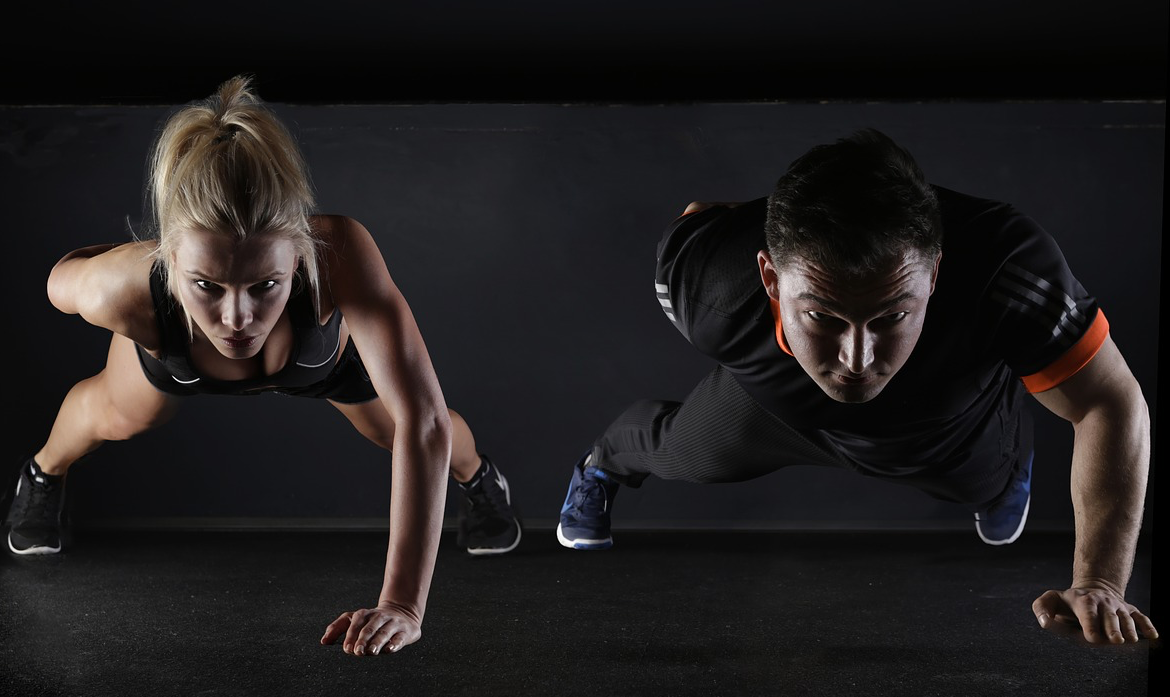
Most people associate calisthenics with basic movements like pushups, situps, or squats. When you start pushing past those basics, though, things get intense pretty quickly. You use multiple muscle groups at once. Think muscle ups, pistol squats, or even simple one-arm pushup variations. Each move requires not just strength but also balance, control, and body awareness. I’ve found these skills way more transferable to daily life than those I trained just on machines.
The best part is the freedom. You don’t need access to a gym, and you can adjust difficulty by changing leverage, tempo, or progressions. The variety keeps it fresh and, honestly, much more fun compared to doing the same exercises over and over in the gym. Plus, because you have creative control, you can gamify your workouts or set up personal skill challenges.
Advanced calisthenics also gives you greater joint mobility and stability, because you’re forced to control your own body through full ranges of motion. Building muscle in this way creates functional strength that carries over to real-world activities, sports, and hobbies. In my experience, you also shed body fat and reveal legit definition as your routine ramps up in intensity. All of this builds confidence and resilience.
What’s On The Menu
- TL;DR: Key Takeaways for Advanced Calisthenics Routines for Strength
- Top Advanced Calisthenics Moves and Progressions
- Structuring Your Advanced Calisthenics Routine
- Gear and Recovery for Home Calisthenics
- Pushing Through Plateaus
- Action Plan: Getting Started With Advanced Calisthenics
- FAQs About Advanced Calisthenics Routines for Strength
- What's Actually Important in Advanced Calisthenics
- Your Next Steps: My Approach and Challenge for You
TL;DR: Key Takeaways for Advanced Calisthenics Routines for Strength
- Advanced calisthenics requires zero equipment and uses smart progressions to build serious strength.
- Movements like planches, front levers, pistol squats, and archer pushups are worth learning and progress towards.
- Routine structure, skills, compound moves, core, grip, matters for consistent gains.
- Stick with a mix of static holds and dynamic reps, logging reps helps track your progress.
- Stuck or bored? Switch up progressions or add advanced tempo changes to keep hitting new PRs.
Top Advanced Calisthenics Moves and Progressions
I started with regular pushups and pullups, but things only got real when I worked in these advanced calisthenics moves:
Archer Pushups: These focus one side at a time. Keep one arm straight while lowering your body over the active arm. It’s a nice step toward one-arm pushups. You can make it easier by reducing the range of motion or doing them on your knees, then level up over time.
Pistol Squats: Single leg squats that test strength, stability, and flexibility. If you’re new, start by using a support like a wall or just sitting back onto a box.
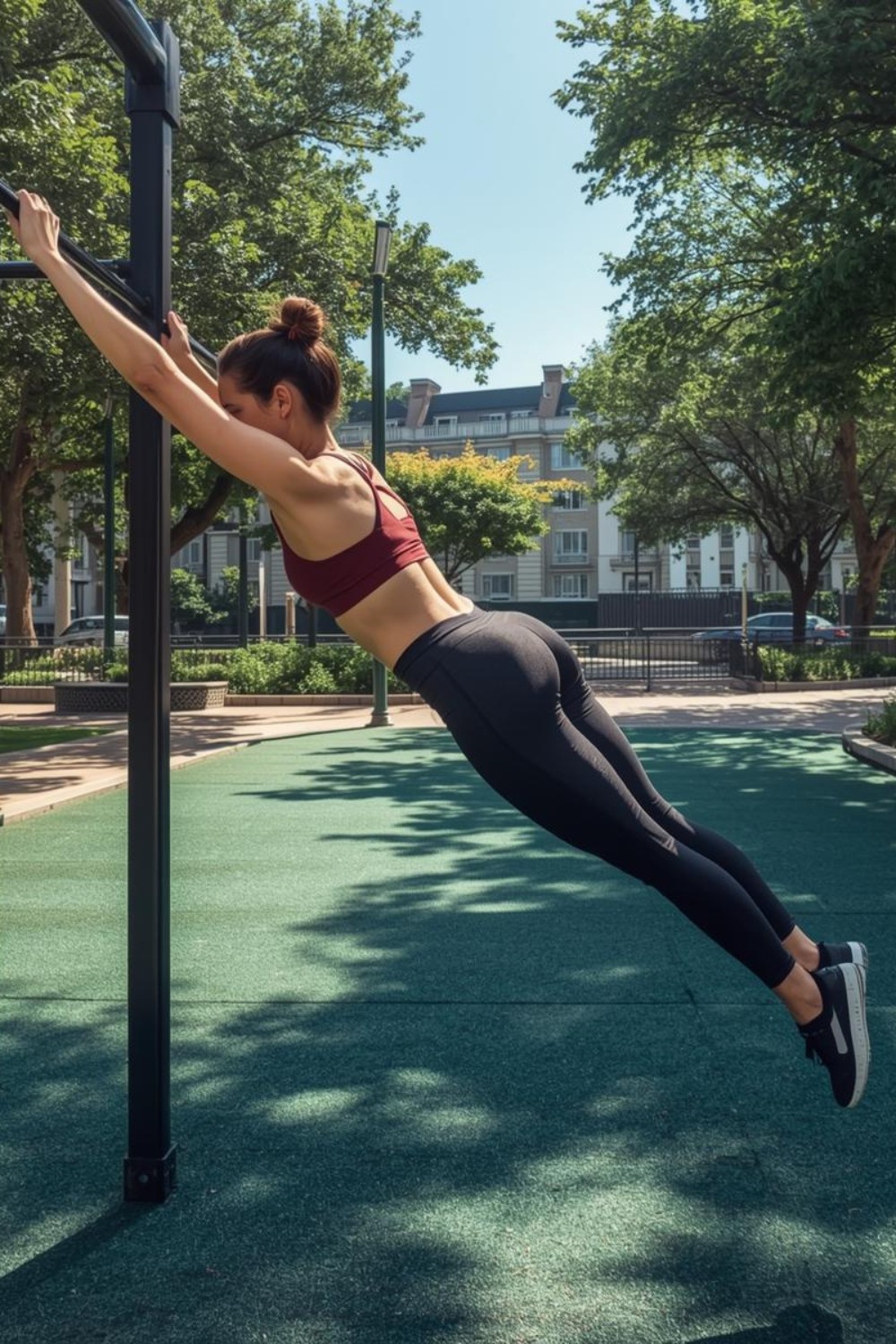
Isometric Holds (Planches, Front Levers): Static holds sound simple, but they’ll fry your core and upper body. Even partial holds or tuck positions are rewarding. Build up by holding these for just a few seconds and increase as you get stronger.
Typewriter Pullups: Pull up, then shift your body sideto-side before lowering. This is great for lats and grip strength, and makes the movement more complex and effective.
Explosive Movements (Clap Pullups, Plyometric Pushups): Powerful bursts take bodyweight training to another level. These overload your fast-twitch muscles and teach you to move powerfully and safely.
If you hit a wall on any move, go back a step. For example, the pseudoplanche pushup is a great bridge between standard and full planche. Progress rarely happens all at once, so don’t be afraid to hang out in one level until you’re ready for the next.
Don’t forget to mix in grip, forearm, and flexibility work as auxiliary moves. Advanced calisthenics is about the whole body, not just chest and arms, try wrist pushups, deep squats, or even wall handstand holds for shoulder stability.
Structuring Your Advanced Calisthenics Routine
Just winging it isn’t the best way to get stronger. A solid structure keeps you progressing. Here’s a format I use and recommend:
Skill Block: Start your session with holds or progressions for planches, levers, or handstands. Give this your freshest effort as these are the toughest moves.
Compound Supersets: Pair up dynamic moves like one-arm pushup progressions and pullup variations. Go for 3–5 sets with moderate reps (4–8 per side).
Leg Focus: Try pistol squat drills, shrimp squats, or explosive lunges. You can do tempo work by slowing down the eccentric (lowering) portion to build control and strength.
Core and Grip Finisher: Dragon flags, hanging leg raises, or L-sits torch your midsection and grip. Sometimes I hang from a towel to really test my grip endurance.
Rest long enough between sets to keep good form. I track reps, sets, and notes on weak spots using a notepad app. Progress gets real when you look back, even two or three months in, you’ll be surprised at how much stronger you’ve gotten just by tweaking details and recording effort.
Weekly scheduling can look something like this: Monday and Thursday for skills, Tuesday and Friday for dynamic push and pull, Wednesday for legs, Saturday for flexibility and mobility, Sunday as a rest or active recovery day. Don’t be afraid to rest more if your joints feel beat up, it’s about steady progress, not exhaustion.
Gear and Recovery for Home Calisthenics
One cool thing about advanced calisthenics is you don’t need much equipment, still, a few things are pretty handy if you’re going all in. Here’s what I’ve used and can recommend, based on what’s helped me hit new skills:
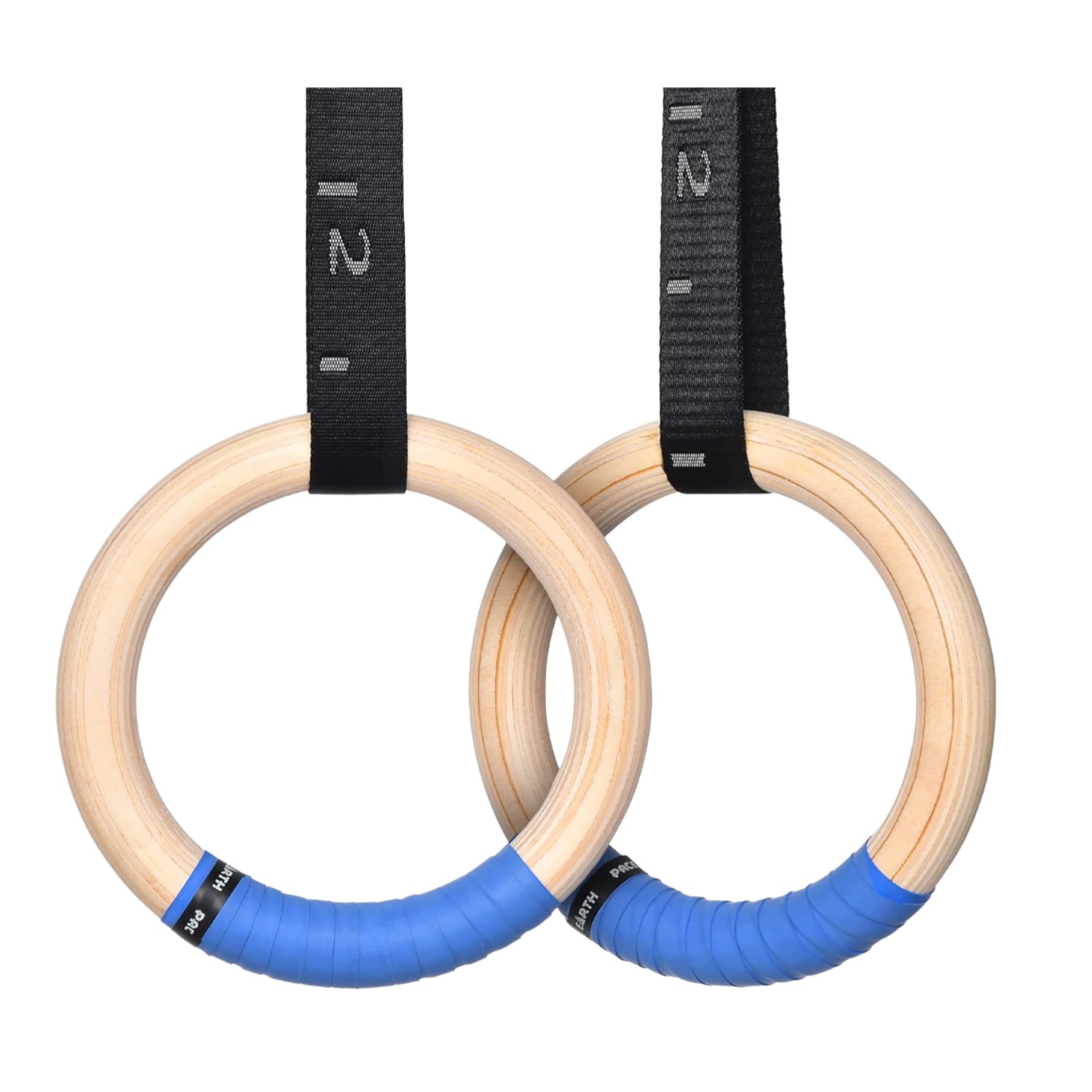
- Gymnastic Rings – Portable, affordable, and add depth to push and pull moves. Great for joint safety.
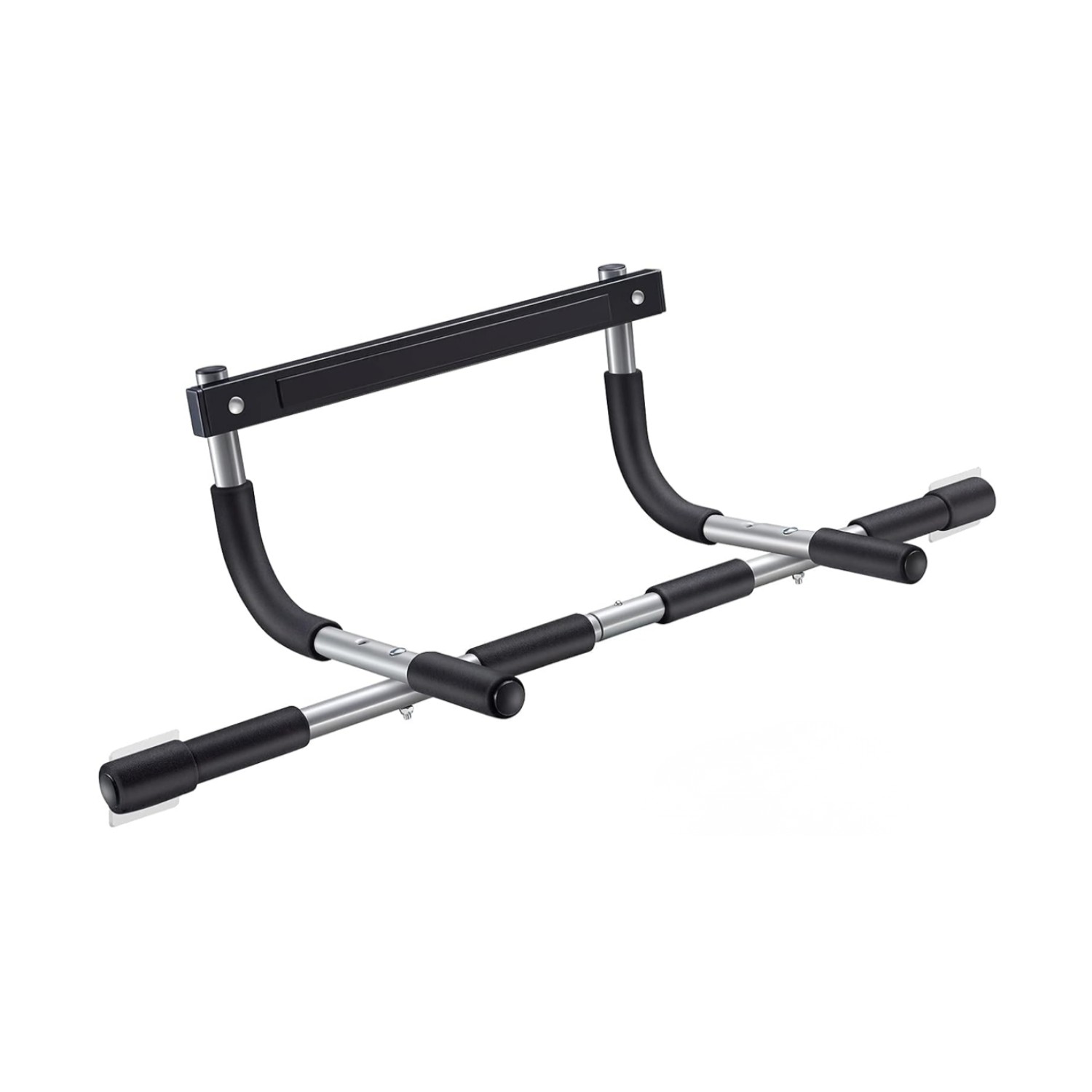
- Pullup Bar (Doorway) – I’ve gotten a ton of value from a basic bar that fits in any doorway.
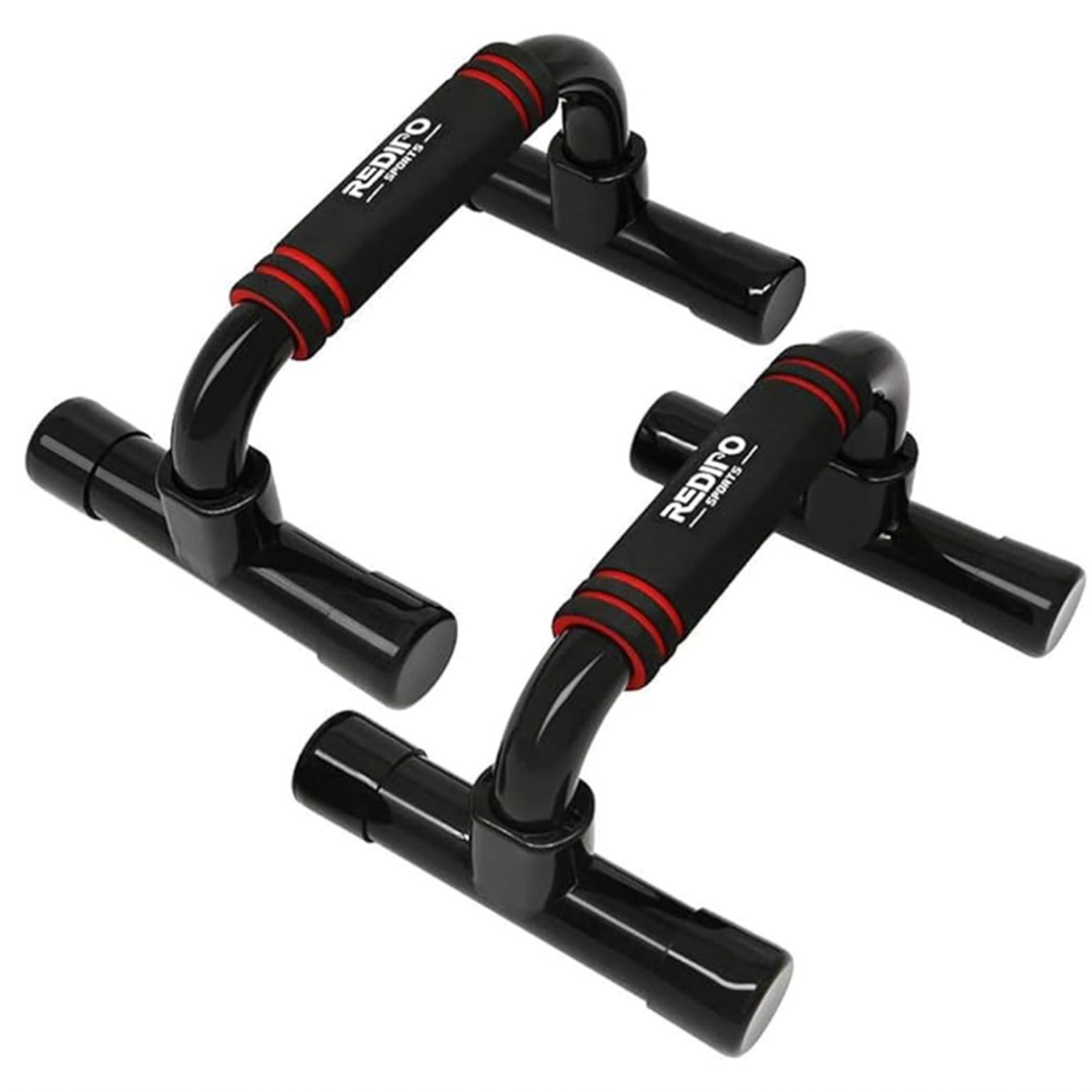
- Parallettes – Make wristheavy skills like Lsits and planche progressions way more comfortable on the joints.
Recovery matters, too. Grip trainers can fast track forearm recovery, and a simple yoga mat makes for extremely comfortable core and lever work. Don’t underestimate the power of good sleep, hydration, and a protein-rich diet after tough sessions. Rolling out sore spots with a foam roller or lacrosse ball can freshen up your muscles and help you come back stronger.
Pushing Through Plateaus
If you’re stuck on a certain move, I was there with archer pull-ups for a while, it’s usually a technique or muscle activation issue. Filming my sets on my phone let me spot bad form and see where I lacked control. Sometimes doing easier variations for higher reps or adding paused reps worked like magic. If boredom hits, I try a circuit or throw in challenges like EMOM (every minute on the minute) sets. Hitting a plateau isn’t failure, it’s a chance to get a sense of your body’s needs, tweak the approach, and come back better.
Another tip: shake up the routine every couple weeks by adding new skill progressions or playing with tempo to challenge your muscles in fresh ways. Mixing in some light cardio or active recovery, like jumps, brisk walking, or yoga, can also speed things up and keep joints moving well.
Action Plan: Getting Started With Advanced Calisthenics
Pick three advanced moves to master – one push, one pull, one lower body. Then set micro-goals for progress.
Film one set per workout to review form weekly. Seeing yourself in action really helps make small but impactful changes.
Use a notebook or app to track reps, sets, feelings, and notes, consistency and tracking are huge for progress.
Scale every move to your current ability. If one-arm pushups are too tough, start with negatives or archer pushups and build up confidence. Adjust range of motion if needed.
Plan two skill sessions, two dynamic strength days, and one flexibility or mobility session each week. Structure is your friend.
Don’t forget at least one rest day. Your body gets stronger when you recover, that’s when muscle and skill adaptations really kick in!
FAQs About Advanced Calisthenics Routines for Strength
Can I build muscle just with advanced calisthenics?
Absolutely. With smart progressions and increased intensity, your muscles grow from bodyweight resistance just like they would with gym weights. The key is always challenging yourself and keeping the effort high with good form.
How long does it take to master advanced moves?
This depends on your starting point and consistency. For me, getting a sloppy pistol squat took six weeks. A decent tuck planche took months. Keep showing up and improving a little bit each week, progress stacks up even when it feels slow.
What if I keep failing a move?
I usually switch to an easier progression or add more rest days. Breaking a skill into parts, like working on handstand shoulder taps before going for full pushups, works well. Don’t force progress, let it come as your form sharpens.
How do I avoid injury?
Warm up longer than you think you need, focus on clean movement, don’t rush progressions, and stop an exercise if you feel pain, not muscle burn, but real, sharp pain. Regular joint mobility work and stretching are smart supplements to hardcore training.
What’s Actually Important in Advanced Calisthenics
Advanced calisthenics routines for strength come down to progressive overload, mastering tough progressions, and knowing when to rest or reset. Freedom from equipment and gyms means there’s always an option, and your training can go anywhere. The secret sauce is consistent effort, honest tracking, and smart tweaks to push past obstacles. If you’re serious about taking things up a notch without a gym membership, this style of training is worth every drop of sweat.
If you want personal coaching, deeper community support, or even want to build your own calisthenics site, I recommend checking out Wealthy Affiliate, or if you want to build an app, check CustomGPT.ai, or go share your recommendation on Benable. It’s all about tracking down resources that keep you moving forward.
Your Next Steps: My Approach and Challenge for You
Building strength without equipment is real and rewarding, but you need to bring intent and creativity. My advice is to start small, tweak often, record your training, and don’t be afraid to try new skills. The satisfaction of nailing a tough calisthenics move is pretty tough to beat. I truly believe anyone can get seriously strong using advanced progressions and thoughtful routines, no gym membership required.
If you want more sustainable strength and weight loss guidance, definitely join my Weightletics newsletter. It’s all about realistic progress, smart routines, and healthy habit tweaks that last.
Got a favorite calisthenics drill or a burning question about bodyweight training? Drop it in the comments, I read every single one!
You may like “Calisthenics Workout For Beginners – A 30 Days Plan“