
 Dany
Dany Note: This article contains affiliate products. We earn a commission if you make a purchase, at no additional cost to you.
If you’ve ever tried to follow a diet plan that just didn’t feel right for your body, you know how tough it is to stick with something that doesn’t fit your unique needs. That’s why personalized nutrition is picking up steam. As more data, tech, and research come together, the future of personalized nutrition plans looks more exciting than ever. I’ve been watching these trends closely, both as someone keen on healthy living and as a bit of a nutrition geek, and there’s a lot to look forward to.
What’s In The Menu
- TL;DR: What’s Next for Personalized Nutrition?
- Why Personalized Nutrition is Catching On
- 1. Nutrition Plans Based on Your Genes
- 2. Gut Microbiome Testing Gets Personal
- 3. AI-Powered Recommendations
- 4. At-Home Blood and Biomarker Testing
- 5. Wearables that Go Beyond Steps
- 6. Real Time Customization and Virtual Support
- 7. Personalized Meal Kits and Supplements at Your Door
- Future of Personalized Nutrition Plans in a Nutshell
- Want to Take the Next Step? Here’s an Action Plan
- Got Questions? I’ve Got You Covered
- Restate the Core Idea, Share My Real Take, and Push You Forward
TL;DR: What’s Next for Personalized Nutrition?
Here’s the quick version: The future of personalized nutrition plans is shifting toward more tech-driven, biology-informed, and lifestyle-centered approaches. AI, gene testing, microbiome analysis, wearables, and direct-to-you meal kits are making it easier to dial in exactly what your body thrives on. If you like the idea of using tools or tests to know what snacks, supplements, and meals are really a good fit for you, then this list is worth checking out.
Why Personalized Nutrition is Catching On
Moving away from one size fits all eating advice makes sense. My personal experience with food tracking apps and blood sugar monitors taught me pretty quickly that two people can eat the same meal and get totally different results. Basically, your genes, lifestyle, and even your gut bacteria play bigger roles in your health than previously thought. The goal now isn’t just about weight loss. It’s about feeling good and living longer. Tech and science are teaming up to give us clearer, more personalized answers, and they make the process much smoother for everyday people.
1. Nutrition Plans Based on Your Genes
DNA testing for nutrition isn’t sci-fi anymore. Companies like 23andMe and Nutrigenomix analyze your genes and offer advice on how your body handles carbs, fats, caffeine, and even vitamin absorption. I’ve tried a couple of these kits and the results were eye-opening. It turns out, my body doesn’t process caffeine like I thought it did! This trend gives you tailored eating suggestions, think more or less salt or fat, particular vitamins, or food types, and offers a sense of control over your own well-being.
- Easy to order online DNA kits
- Actionable reports you can discuss with your doctor
- Great for fine tuning your diet if you’re already tracking how different foods make you feel
2. Gut Microbiome Testing Gets Personal
The trillions of microbes living in your gut can impact everything from mood to immune health. Gut analysis kits like Viome and uBiome (sadly no longer in business, but plenty more have popped up) give you a readout of what’s going on inside. I’ve used a gut microbiome test out of curiosity, and the food recommendations felt a lot more in tune with my digestion issues than generic “eat more fiber” advice. The world of gut health is only going to expand as more people realize how personal this data can get.
- Microbiome data helps plan for food intolerances
- Allows you to try food swaps based on real time gut feedback
- Emerging potential for customizing probiotics or functional foods
3. AI-Powered Recommendations
AI isn’t just a marketing buzzword anymore. With software like CustomGPT.ai you can create your own bot that combines your health data, food diary, preferences, and even grocery shopping habits for meal plans that fit your goals and lifestyle. I’ve played around with a few of these platforms and seen how quickly they learn to suggest new meals based on your past choices. It’s kind of like Spotify, but for what you eat. The more feedback you give, the more accurate and helpful these AI solutions become.
- Apps that adapt to your reactions and feedback
- Options for allergies, medical conditions, and preferences
- Easy automated grocery lists or ordering
4. At-Home Blood and Biomarker Testing
Finger prick blood kits for tracking vitamins, cholesterol, or even blood sugar at home have gotten more common. These let you know if you’re hitting targets with your current plan or if you need to tweak your routine. I like the accountability these tests offer and have found them motivating, since real data is hard to ignore! You can now check your vitamin D, iron, or cholesterol levels in a few simple steps without leaving your house, which is extremely helpful for busy folks or anyone who wants a bit more control over their nutrition progress.
- Companies like LetsGetChecked and imaware are leaders
- Track progress every month or quarter
- Useful for supplement adjustments. See if you really need vitamin D, iron, etc.
5. Wearables that Go Beyond Steps
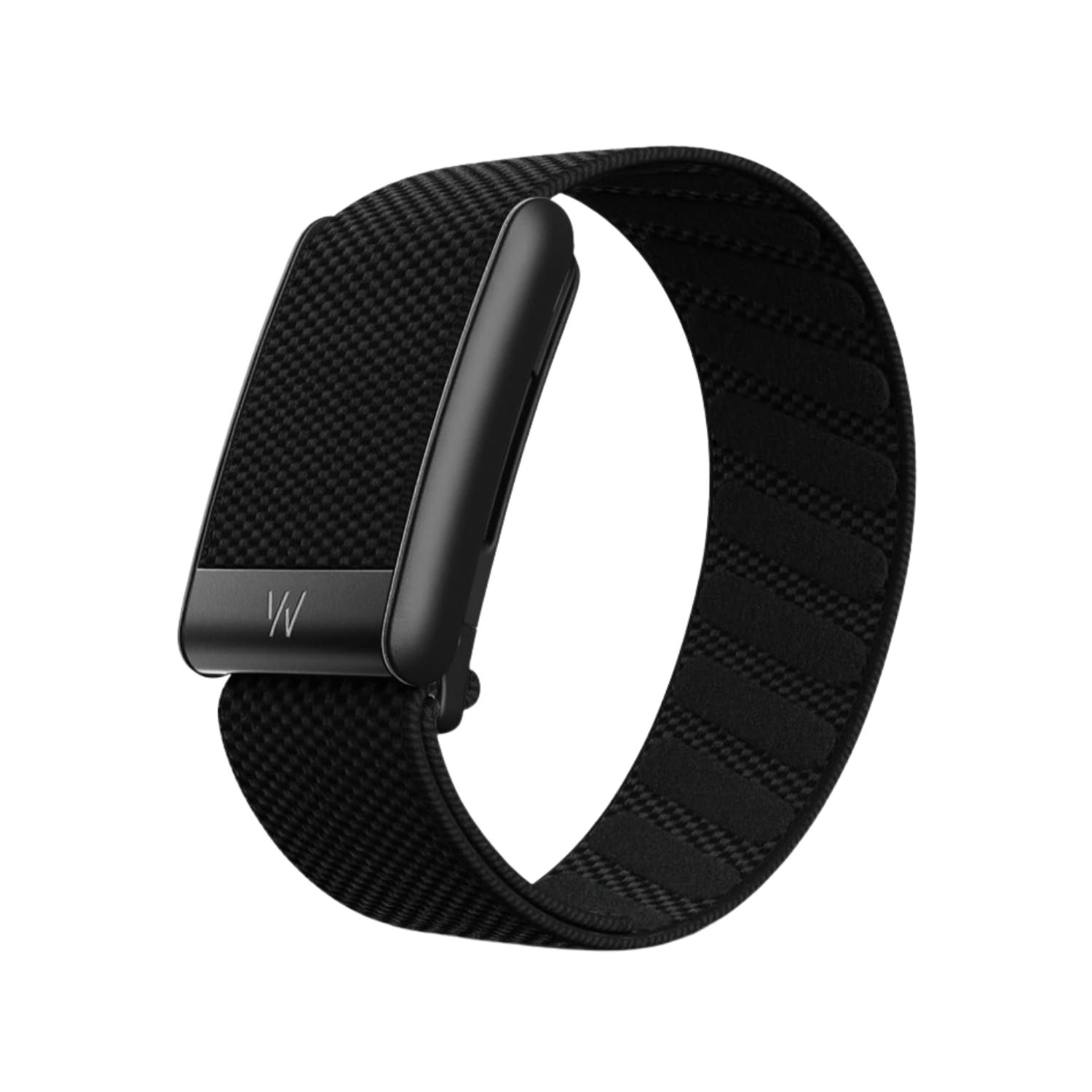
Fitness trackers have moved past counting steps and are now helping track blood sugar, hydration, metabolism, and even your food intake. The Levels continuous glucose monitor showed me which meals sent my blood sugar through the roof. Devices like the Oura ring or Whoop bracelet combine sleep, movement, and food data to help you balance overall health. The rapid progress in wearable tech means you’ll soon be able to spot even smaller nutritional trends just by checking your phone or tapping a button.

- Seamless syncing with nutrition apps
- Real time feedback for tweaking meals and timing
- Watch for more noninvasive sensors hitting the market soon
6. Real Time Customization and Virtual Support
Seeing a dietitian was usually a slow process. You’d book an appointment, wait, and hope the advice fits. Now, you can chat with an online coach or use a bot to get answers and adjust plans quickly. Text reminders, progress dashboards, and interactive support keep your plan on track even when motivation dips, giving you that extra boost when you need it most.
- Instant feedback and easy plan tweaks
- Affordable group coaching and challenges
- Integration with chatbots or live experts
7. Personalized Meal Kits and Supplements at Your Door
Meal kits and supplements are getting much more tailored. Subscriptions like HelloFresh and Sakara Life offer options that suit different needs: keto, paleo, vegan, glutenfree, and now even DNA informed selections. Supplement brands like Garden of Life and Persona Nutrition mix up vitamins based on quiz answers or test results. In my own routine, this means way less guesswork and fewer half used bottles collecting dust. As more companies create tailored solutions, it’s getting easier to eat and feel your best.
- Easy to trial new eating patterns safely
- Helps you stumble upon foods that really work for your body
- Amazon picks worth peeking at: Personalized nutrition supplements on Amazon
Future of Personalized Nutrition Plans in a Nutshell
The future of personalized nutrition plans is getting smarter, simpler, and way more personal. DNA and microbiome testing, AI-driven apps, at-home biomarker kits, wearables, meal subscriptions, and virtual coaching are working together to help you track down what works best for you. As these tools get better, you can expect plans that are not just tailored, but truly built around your life, tastes, and goals.
Want to Take the Next Step? Here’s an Action Plan
- Start tracking how foods make you feel with a free food diary app. You’ll quickly get a sense of patterns you never noticed before.
- Try a simple wearable or at-home nutrition test, like the ones mentioned above and see what you can spot in your results.
- Browse DNA or microbiome test kits if you want deeper insights into your biology.
- Pick one new tech trend, maybe an AI-powered planner, and experiment for a week to see what it’s like.
- Swap generic multivitamins for a personalized supplement brand to match your actual needs.
- Share results and discoveries with others. It’s way easier and more fun to figure it out together and learn from each other’s experiences.
Got Questions? I’ve Got You Covered
Is personalized nutrition safe?
For most people, yes. Always check in with your healthcare provider before you make big dietary changes or buy at-home DNA/gut kits, especially if you have a medical condition.
What if I don’t like tech?
You can ease in with basic tracking or just try a meal kit service based on your preferences. Not everything has to be high tech! Sometimes a notebook or good old cooking is all you need.
Are these services expensive?
Some are, but a lot of tools offer free versions, and you can pick parts that fit your budget. Meal and supplement subscriptions usually have deals if you commit for a few weeks or months, and there are always ways to customize based on what you need most.
Can nutrition really be personalized for everyone?
The science is moving fast, and more research means better accuracy for more people. While nothing is perfect yet, the idea is to add layers of info so your decisions are more and more personal over time. The field is growing fast, making real personalization more possible than ever.
Restate the Core Idea, Share My Real Take, and Push You Forward
Personalized nutrition plans are switching up from hype to how you actually eat reality, thanks to new tech, real science, and better support. My own experiments taught me that small tweaks based on genuine feedback, from my body, not just the web, make a huge difference. If you’re tired of diets that don’t click or want to see how little changes can lead to big results, it’s a great time to give these tools a test run.
So, what’s the one future-focused nutrition trend you want to try this month? Explore, experiment, and see where a truly tailored nutrition plan could take you.
If you’re into steady, balanced, and mindful fat loss, subscribe to my Weightletics newsletter. I geek out over movement, mindset, and all things sustainable health.
I’d love to know, what’s the weirdest or most helpful thing you’ve learned about your own nutrition? Drop a comment below or share your story!