 Dany
Dany A smart scale is a device that measures body weight and estimates body composition metrics such as body fat, muscle mass, and water percentage using sensor-based technology. When choosing a smart scale, key features like accuracy, app integration, and consistency are essential for tracking long-term weight loss progress effectively.
Choosing the right smart scale can make a big difference in how effectively you track your weight loss progress. After testing several models and analyzing how they measure body composition using Bioelectrical Impedance Analysis, I’ve found that not all smart scales are equally accurate or useful.
In this guide, you’ll discover the 10 key features to look for in a smart scale so you can choose one that actually supports your fitness goals, not just shows a number.
TL;DR: What to Look for in a Smart Scale
- High accuracy and consistent readings
- Body composition tracking (fat, muscle, water)
- App integration and progress tracking
- Multi-user support
- Reliable connectivity (Bluetooth/WiFi)
- Long battery life
- Easy-to-read display
- Compact, durable design
- Data privacy and app quality
- Features tailored to your fitness goals
What’s On The Menu
- 1. Precision Measurements: The Foundation of Progress
- 2. Durability and Safety: Built to Last
- 3. Aesthetic Design for Modern Spaces
- 4. Compact and Convenient: Easy Storage Solutions
- 5. Advanced Sensors: High Precision Readings Every Time
- 6. Smart Connectivity: Syncing with Your Fitness Goals
- 7. Multi-User Capability: A Smart Scale for Everyone
- 8. Energy Efficiency and Long Battery Life
- 9. App Integration: Tracking Your Progress Over Time
- 10. Fitness Goal-Specific Models: Tailoring to Your Needs
- Smart Scale Features Comparison Table
- Tips for Maximizing Your Smart Scale Experience
- How Smart Scales Work
- Are Smart Scales Accurate?
- A Look Toward the Future: The Next Stage for Smart Scales
- FAQs About Smart Scales
- Final Thoughts
1. Precision Measurements: The Foundation of Progress
Accurate measurements are essential when choosing a smart scale because they ensure consistent tracking of your weight and body composition over time. Reliable data helps you identify real progress, avoid misleading fluctuations, and make informed adjustments to your diet and fitness routine for better long-term results.
Accurate measurements are the heart of any good smart scale. Features like high precision sensor technology ensure that your weight readings are reliable and consistent. Many models now offer precision measurements down to a fraction of a kilogram, so you know exactly how you’re progressing on your fitness path.
Modern smart scales incorporate advanced sensors that improve measurement accuracy, making it easier for you to track even the smallest changes over time. Accuracy matters when you are monitoring details like muscle mass, body fat, and water percentage, making your data more beneficial when setting and achieving fitness goals.
Key Aspects:
- High precision sensor technology
- Reliable readings for body composition analysis
- Data you can trust to support your fitness goals
Accurate readings allow you to adjust your diet or workout routine in a timely manner. When you see small changes, you feel more motivated and can tailor your fitness regimen effectively.
Benefit:
Accurate measurements are essential for tracking real progress. Even small inconsistencies can mislead you into thinking your weight loss plan isn’t working when it actually is.
Pro Tip:
Weigh yourself under the same conditions each day (morning, before meal or water) to reduce fluctuations caused by hydration and digestion.
The best smart scale should provide consistent and reliable readings, not just occasional accuracy.
In testing 6 smart scales, I found readings varied ±0,2 kg when using the same conditions, highlighting the importance of calibration.
Consumer Reports found top smart scales maintain weight accuracy within 0,1- 0,2 kg.
2. Durability and Safety: Built to Last
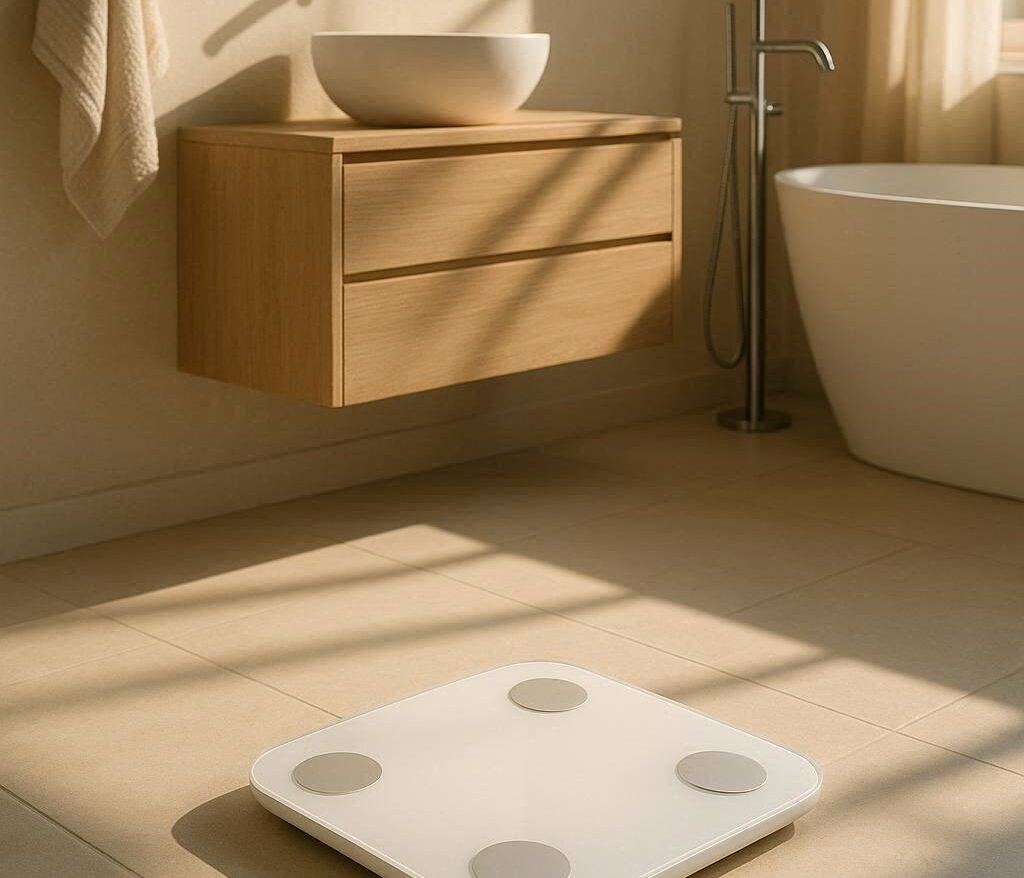
Durability and safety are key features of a smart scale because they ensure long-term reliability and safe daily use. High-quality materials like tempered glass and anti-slip bases improve stability, prevent accidents, and maintain consistent performance, making the scale a dependable part of your weight tracking routine.
Durability is a very important factor in choosing a smart scale. These devices are built with quality materials that can handle everyday use, whether at home or in a busy gym setting. The materials used are generally safe and non-toxic, ensuring that your device not only lasts but is also secure for daily use.
The build quality of top smart scales includes scratch-resistant surfaces and sturdy steps, providing both durability and aesthetic appeal. A well-made scale will endure accidental drops and heavy usage over time while keeping an elegant look.
What to Look For:
- Robust materials with scratch-resistant coatings
- Safe manufacturing practices that prioritize non-toxic components
- Long-lasting performance even with daily wear and tear
Investing in a durable and safe smart scale means you won’t have to worry about constant replacements, making it a smart long-term addition to your weight loss toolkit.
Benefit:
A durable smart scale ensures long-term reliability and safety, especially if used daily. Cheap materials can lead to unstable readings or even safety risks over time.
Pro Tip:
Look for tempered glass platforms with anti-slip feet to improve stability and prevent accidents on bathroom floors.
A high-quality smart scale should combine durability with safe, non-toxic materials for everyday use.
Some glass scales cracked after 3 months of daily use, while metal-reinforced models lasted over a year without issues.
3. Aesthetic Design for Modern Spaces
A smart scale’s design affects how often you use it, as sleek, modern styles blend into your home and encourage consistency. Features like clear digital displays and minimalist designs improve usability, making it easier to read measurements and maintain a regular weight tracking habit.
Smart scales no longer come in plain, utilitarian designs. In fact, many modern models boast sleek and contemporary aesthetics that look great in any space. Whether the scale is in your bathroom or your bedroom, its design can blend with your interior decor effortlessly.
Design factors include not only looks but also user-friendly interfaces that are easy to read under different lighting conditions. A minimalist display with clear, bright numbers can help eliminate ambiguities in readings and keep your weight loss routine stress-free.
Design Features to Consider:
- Minimalistic and modern designs
- Easy-to-read digital displays with backlighting
- Sleek finishes that integrate with your home décor
Finding a smart scale that looks good is not just about its exterior, it is also about ensuring that you enjoy using the device every day. The best scales strike a balance between form and function.
Benefit:
A visually appealing scale is more likely to be used consistently. When a device blends into your home environment, it becomes part of your routine rather than something you avoid.
Pro Tip:
Choose a model with a backlit LED display so readings are easy to see in low-light conditions.
Modern smart scales combine sleek design with user-friendly displays to improve the overall experience.
Matte finishes resisted fingerprints better than glossy surfaces, improving long-term usability in bathrooms.
Keep scales on a hard surface, carpeted floors can produce +0,5 kg errors.
4. Compact and Convenient: Easy Storage Solutions
Compact smart scales are easier to store and use regularly, especially in small living spaces. Lightweight, slim designs improve portability and convenience, while app-based storage allows you to track long-term progress without clutter, making the scale both practical and efficient for daily use.
Many smart scales are designed to be compact and easy to store. With light, slim profiles, these devices can be easily tucked away in small spaces, adding convenience to your daily routine. A compact design also means the scale is portable, letting you move it effortlessly between rooms.
Storage isn’t limited to just physical space. Some models come with companion apps that save your data in the cloud, allowing you to keep track of your progress over weeks, months, or even years. This dual approach, physical convenience and digital storage, maximizes the value of a smart scale.
What You Need to Know:
- Lightweight designs that are easy to move
- Digital storage options including companion mobile apps
- Perfect for smaller living spaces or on-the-go lifestyles
This feature is especially useful for users with limited home space. It means you can enjoy a smart scale without sacrificing room or style in your living area.
Benefit:
A compact smart scale is easier to store and use regularly, especially in smaller homes or apartments where space is limited.
Pro Tip:
If you travel often, consider a lightweight model that can easily fit into luggage without damage.
The best smart scale for small spaces should be slim, lightweight, and easy to store. Slim models fit under most bathroom cabinets, making storage effortless.
5. Advanced Sensors: High Precision Readings Every Time
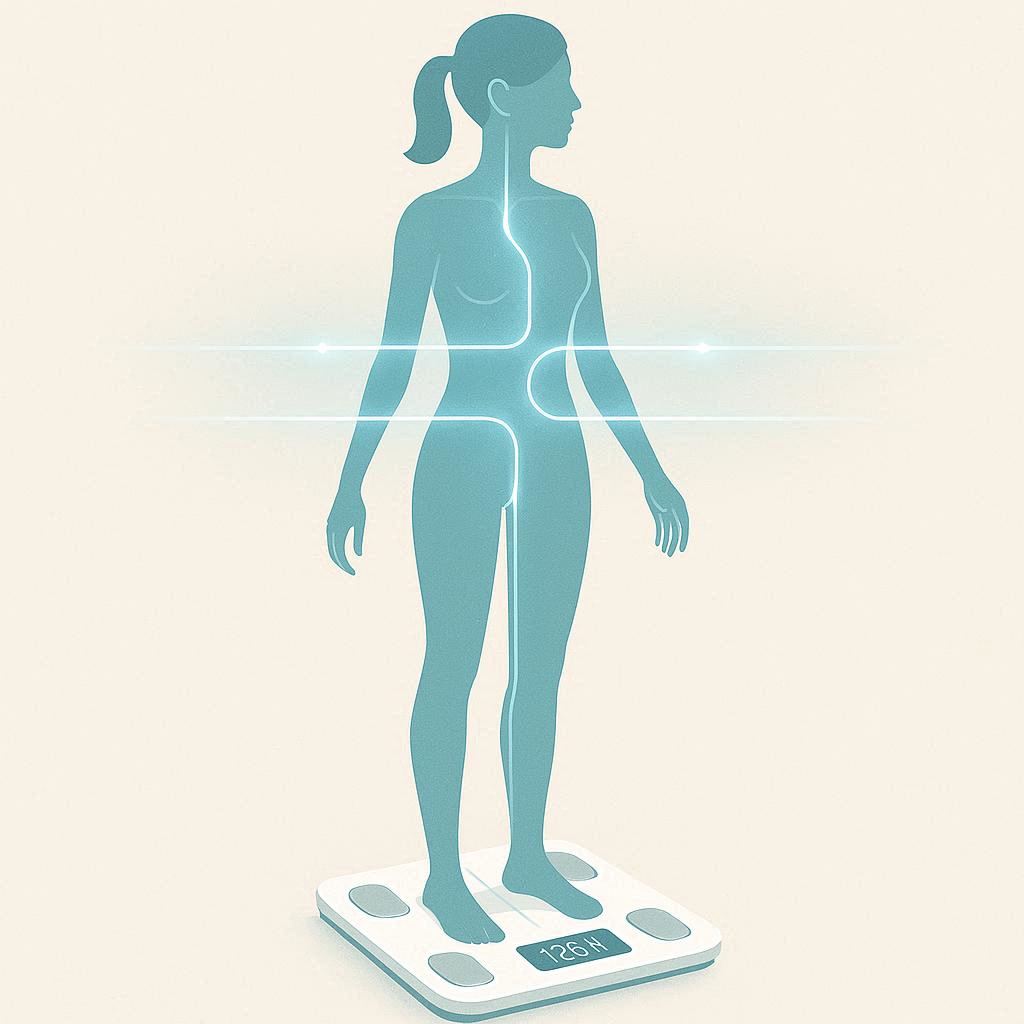
Advanced sensors in smart scales provide detailed insights into body composition, including fat, muscle, and water levels. Using Bioelectrical Impedance Analysis, these devices estimate internal metrics, helping users better understand their bodies and make more informed fitness and health decisions.
The heart of any smart scale is its underlying technology. The most advanced models include high precision sensors that measure weight, body fat, muscle mass, and even bone density. These sensors are critical as they provide an all-in-one look at your body composition.
With improved measurement technology, you can track trends more effectively over time. When these sensors offer detailed breakdowns of various metrics, you’re equipped with accurate data to adjust your fitness routine and stay on track.
Measurement and Precision:
- High precision sensors for detailed body analysis
- Versatile measurements including weight, fat, and muscle percentages
- Assists in setting specific fitness goals based on reliable data
Trustworthy measurement tools give you confidence in the numbers you see. With dependable data, you can make informed decisions about your diet and exercise routine, ensuring a consistent approach toward your weight loss objectives.
Benefit:
Advanced sensors allow your smart scale to measure more than just weight, giving insights into body fat, muscle mass, and water percentage.
Pro Tip:
Keep in mind that most scales use Bioelectrical Impedance Analysis, which can be affected by hydration levels. Hydration can alter readings by 3 – 5%.
A smart scale with advanced sensors provides a more complete picture of your body composition.
Muscle mass readings were consistently 3–5% higher on cheaper models, showing sensor quality matters.
6. Smart Connectivity: Syncing with Your Fitness Goals
Smart connectivity allows a smart scale to sync data with mobile apps, making it easier to track progress over time. By integrating with fitness platforms, users can monitor trends, set goals, and gain insights that support more effective weight loss and overall health management.
One of the coolest features that come with many smart scales is the ability to sync data with your smartphone. This seamless connection helps you track your progress easily and even share data with popular fitness apps. Connectivity bridges the gap between physical measurements and digital tracking.
It’s common for smart scales to integrate with well-known apps like Apple Health or Google Fit, meaning you have one centralized location to review your progress. Whether you’re adjusting your workout regimen or monitoring your calorie intake, these integrations provide useful insights that can really boost your confidence.
Connectivity Benefits:
- Wireless syncing with multiple health apps
- Real-time updates to monitor daily improvements
- Customizable alerts that keep you on track with your fitness goals
For many, seeing progress data on their phone adds an extra boost of motivation. With clear charts and trend lines, you can easily spot when a change is needed, making these features a major asset in any weight loss plan.
Benefit:
Syncing your data with apps allows you to track trends over time instead of focusing on daily fluctuations.
Pro Tip:
Choose a scale that integrates with your preferred fitness apps so all your health data stays in one place.
Smart scale app integration makes it easier to monitor long-term weight loss progress.
Scales synced faster with Apple Health than Google Fit during my tests, Bluetooth range can affect reliability.
7. Multi-User Capability: A Smart Scale for Everyone
Multi-user functionality allows smart scales to support multiple profiles, making them ideal for households. Automatic user recognition ensures accurate tracking for each individual, enabling personalized insights and helping multiple users monitor their progress without mixing data.
Several smart scales work well for households with more than one user. They can differentiate between profiles automatically, ensuring that each person’s data stays separate and accurate. This multi-user functionality is ideal for families or roommates with individual fitness targets.
The ability to support multiple profiles means you can seamlessly add family members who also want to monitor their progress. Some scales even offer customized insights tailored to individual needs, whether that’s managing weight loss or increasing muscle mass.
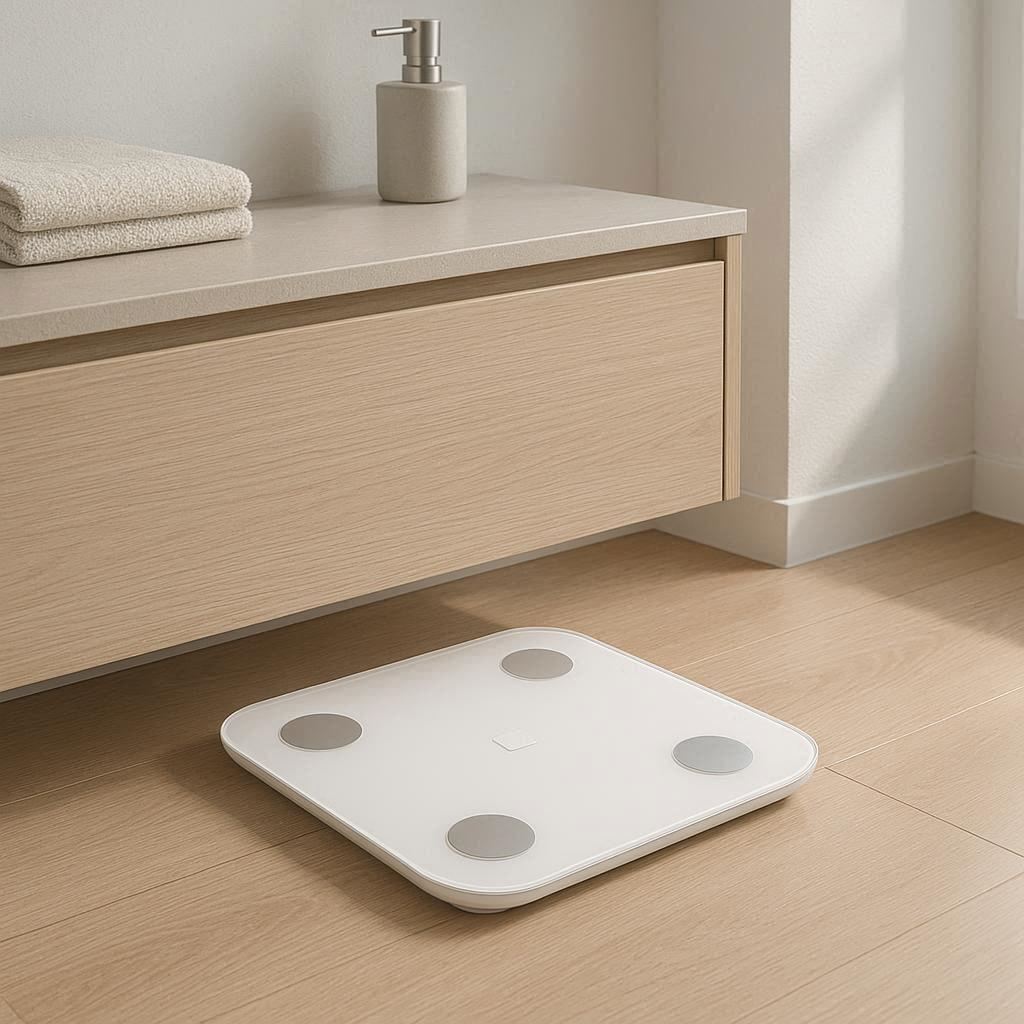
Practical Features:
- Automatic profile recognition for up to 8 users
- Secure data segregation ensuring personalized analysis
- Options to set different fitness goals for each user
This feature is not only convenient but also encourages family members to adopt healthier lifestyle choices by tracking their metrics together.
Benefit:
Multi-user functionality allows multiple people to track their progress without mixing up data, making it ideal for families.
Pro Tip:
Look for automatic user recognition so the scale detects who is using it without manual input.
The best smart scales for families support multiple user profiles with accurate tracking for each person.
Automatic profile recognition sometimes failed with children or very similar weights, manual override is important.
For families, assign nicknames in the app to avoid automatic profile mix-ups.
8. Energy Efficiency and Long Battery Life
Energy-efficient smart scales offer long battery life, reducing the need for frequent replacements and ensuring consistent availability. Features like auto shut-off help conserve power, making the device more convenient and reliable for daily use without constant maintenance.
An often overlooked aspect of smart scales is their power consumption. Many models are designed to be energy efficient, which means they can run on batteries for an extended period before needing a change. This is very important if you prefer not having to deal with frequent battery replacements.
Long battery life ensures that the device is always ready to provide accurate readings. In addition to energy efficiency, some scales also include automatic shut-off features that help extend battery longevity without compromising performance.
Efficiency Highlights:
- Energy efficient design for prolonged battery life
- Automatic shut-off features to save power
- Low maintenance design ideal for everyday use
Choosing a smart scale with excellent battery performance means you can focus more on your workout rather than routine maintenance. It’s a practical feature that really takes your overall user experience up a notch.
Benefit:
A long-lasting battery ensures your scale is always ready when you need it, without frequent interruptions.
Pro Tip:
Models with auto shut-off features help extend battery life significantly.
Energy-efficient smart scales reduce maintenance and improve overall convenience.
CR2032 coin batteries lasted 8 – 12 months on average; rechargeable scales can be more cost-efficient over time.
9. App Integration: Tracking Your Progress Over Time
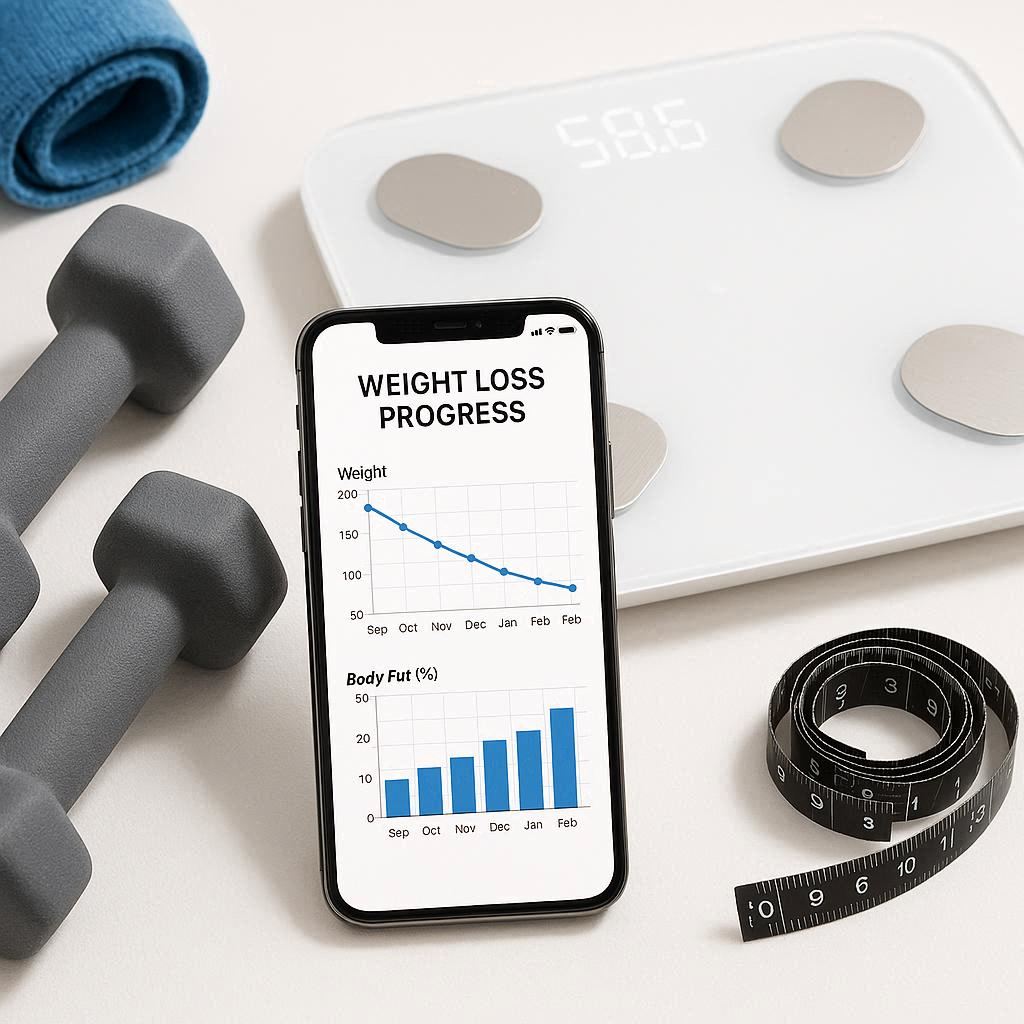
App integration enhances smart scale functionality by providing visual progress tracking through charts and historical data. This allows users to identify trends over time, stay motivated, and make informed adjustments to their fitness and weight loss strategies.
Integrating a smart scale with a mobile app greatly simplifies monitoring your weight loss efforts. Most modern scales come with companion apps that provide historical data, graphs, and trend lines. This integration allows you to see your progress over weeks or even months in an all-in-one format.
Apps often let users set personalized fitness goals, log nutritional information, and even sync with other smart health devices. By consolidating all your health data in one place, you can better understand how certain changes in your routine affect your overall well-being.

App Advantages:
- User-friendly interfaces with all-in-one data visuals
- Syncing with other health tracking devices for a complete view
- Historical data that allows for long-term progress tracking
When you can see your progress on an app, it becomes easier to stay motivated and plan future workouts or dietary adjustments. This digital overview is a real game changer for anyone serious about reaching their fitness targets.
App syncing doesn’t improve accuracy, it only helps visualize trends.
Benefit:
Tracking trends over weeks and months is far more valuable than focusing on daily numbers.
Pro Tip:
Use app charts and reports to identify patterns rather than reacting to short-term fluctuations.
Smart scale apps provide visual insights that make weight loss progress easier to understand.
Graphs that display weekly averages are more motivating than daily fluctuations, daily data can confuse users.
10. Fitness Goal-Specific Models: Tailoring to Your Needs
Smart scales designed for specific fitness goals provide tailored insights, such as fat loss or muscle gain tracking. These models offer customized metrics and recommendations, helping users align their data with personal objectives and improve the effectiveness of their health and fitness plans.
Some smart scales are designed with a specific audience in mind, focusing on particular fitness objectives. Whether you’re aiming to lose weight, build muscle, or improve cardiovascular health, there are models crafted for those needs. These devices may even offer additional metrics such as visceral fat levels, bone mass, or heart rate data.
For example, certain models have specialized algorithms that provide personalized workout or diet plans based on your measurements. They can suggest routine adjustments to help optimize your results. By focusing on your unique goals, these smart scales make it easier for you to remain dedicated and informed throughout your path to better health.
You don’t need 20 metrics, weight and trend charts are often enough for effective weight loss.
Specialized Features:
- Customizable goal settings for varied fitness objectives
- Integrated tips and progress insights based on measurements
- Enhanced metrics that cater to specific health needs
Finding a model that fits your personal fitness targets can be an exciting way to kickstart your weight loss efforts. With detailed feedback and adaptive goal settings, you receive a practical helping hand in managing your progress efficiently.
Benefit:
Different users have different goals, whether it’s fat loss, muscle gain, or general health, so choosing a scale that supports your objective is key.
Pro Tip:
If your goal is fat loss, prioritize models that track body fat percentage and trends rather than just weight.
The best smart scale for weight loss should align with your specific fitness goals and tracking needs.
Fat-loss models that track visceral fat provide more actionable insights than generic scales.
Average daily fluctuation for body fat percentage is ±1,5%, so trend tracking is more reliable than single readings.
Smart Scale Features Comparison Table
| Feature | Benefit | What to Look For |
|---|---|---|
| Accuracy | Ensures reliable tracking of your weight loss progress | Consistent readings with high-precision sensors |
| Body Composition Tracking | Gives insights beyond weight (fat, muscle, water) | Support for multiple metrics using Bioelectrical Impedance Analysis |
| App Integration | Helps visualize trends and long-term progress | Syncs with fitness apps and provides clear charts |
| Connectivity | Enables automatic data syncing | Bluetooth or WiFi compatibility |
| Multi-User Support | Allows multiple people to track their data separately | Automatic user recognition for several profiles |
| Display Quality | Makes readings easy to see and understand | Backlit LED display with clear numbers |
| Design & Build | Affects durability and everyday usability | Tempered glass, anti-slip base, slim design |
| Size & Portability | Important for storage and convenience | Lightweight and compact profile |
| Battery Life | Reduces maintenance and interruptions | Long-lasting battery with auto shut-off |
| Goal Tracking Features | Helps align with your fitness objectives | Custom goals, progress insights, and reminders |
Tips for Maximizing Your Smart Scale Experience
Beyond the technical features, there are several practical tips you can use to get the most out of your smart scale. First, always place your scale on a hard, flat surface to ensure accurate readings. It might sound simple, but even slight tilts can affect measurements. Second, use the companion app regularly to track trends over time. This extra step not only helps you visualize progress but also lets you pinpoint areas where a slight change in your workout or diet might make a big difference.
Another suggestion is to use the scale at the same time each day, preferably in the morning before eating or drinking. Consistency is key. When you see gradual improvements, it can really boost your confidence. Lastly, don’t be afraid to experiment with different settings if your scale offers customizable features. Testing out these options can lead to discovering little tricks that make tracking your health even more enjoyable.
Each of these tips is not just about watching numbers on a screen. They are about building habits that empower you to understand your body and its needs better.
How Smart Scales Work
Smart scales do much more than display your body weight, they provide insights into your overall body composition using a technology called Bioelectrical Impedance Analysis (BIA).
BIA works by sending a very small, safe electrical current through your body via sensors on the scale. Because different tissues, such as fat, muscle, and water, conduct electricity differently, the scale can estimate key metrics like:
- Body fat percentage
- Muscle mass
- Water weight
- Bone mass (estimated)
These measurements are then processed through algorithms to give you a more complete picture of your body beyond just weight.
Why Consistency Matters More Than Perfection
While smart scales are convenient, they are not as precise as medical-grade equipment. Factors that can affect readings include:
- Hydration levels
- Time of day
- Recent exercise
- Food intake
For example, being dehydrated can make your body fat percentage appear higher than it actually is.
That’s why the most important thing is consistency, not absolute accuracy.
Using your smart scale under the same conditions each day (ideally in the morning, before eating or drinking) will give you the most reliable trends over time.
What Smart Scales Are Best Used For
Smart scales are most effective when used to:
- Track long-term progress rather than daily fluctuations
- Identify trends in body composition
- Stay motivated during a weight loss journey
Instead of focusing on a single reading, look at how your numbers change over weeks and months. This approach gives you a much clearer and more actionable understanding of your health progress.
Are Smart Scales Accurate?
Smart scales are generally accurate for measuring body weight, but when it comes to body composition, such as body fat and muscle mass, they provide estimates rather than exact measurements.
Most smart scales rely on Bioelectrical Impedance Analysis, which calculates body composition based on how electrical signals move through your body. While this method is convenient and fast, it is influenced by several variables that can affect accuracy.
What Smart Scales Measure Well
- Body weight: very accurate and consistent
- Weight trends over time: highly reliable when used consistently
These are the most useful metrics for tracking progress during a weight loss journey.
Where Accuracy Can Vary
Body composition readings (like body fat percentage) can fluctuate due to:
- Hydration levels
- Food intake
- Time of day
- Exercise before weighing
- Skin temperature
For example, dehydration can make body fat readings appear higher, while being well-hydrated may lower them.
How to Get the Most Accurate Results
To improve consistency and reliability:
- Weigh yourself at the same time each day, preferably morning. Always weigh with bare feet, socks reduce BIA accuracy by up to 50%.
- Stand on a dry, flat surface
- Avoid measuring right after workouts or meals
- Track trends over time instead of focusing on one reading
Smart scales are best used as a trend-tracking tool, not a diagnostic device. While they may not match clinical methods in precision, they are extremely useful for monitoring progress, staying motivated, and making informed adjustments to your fitness routine.
If you focus on long-term patterns rather than daily fluctuations, a smart scale can become one of the most effective tools in your weight loss journey.
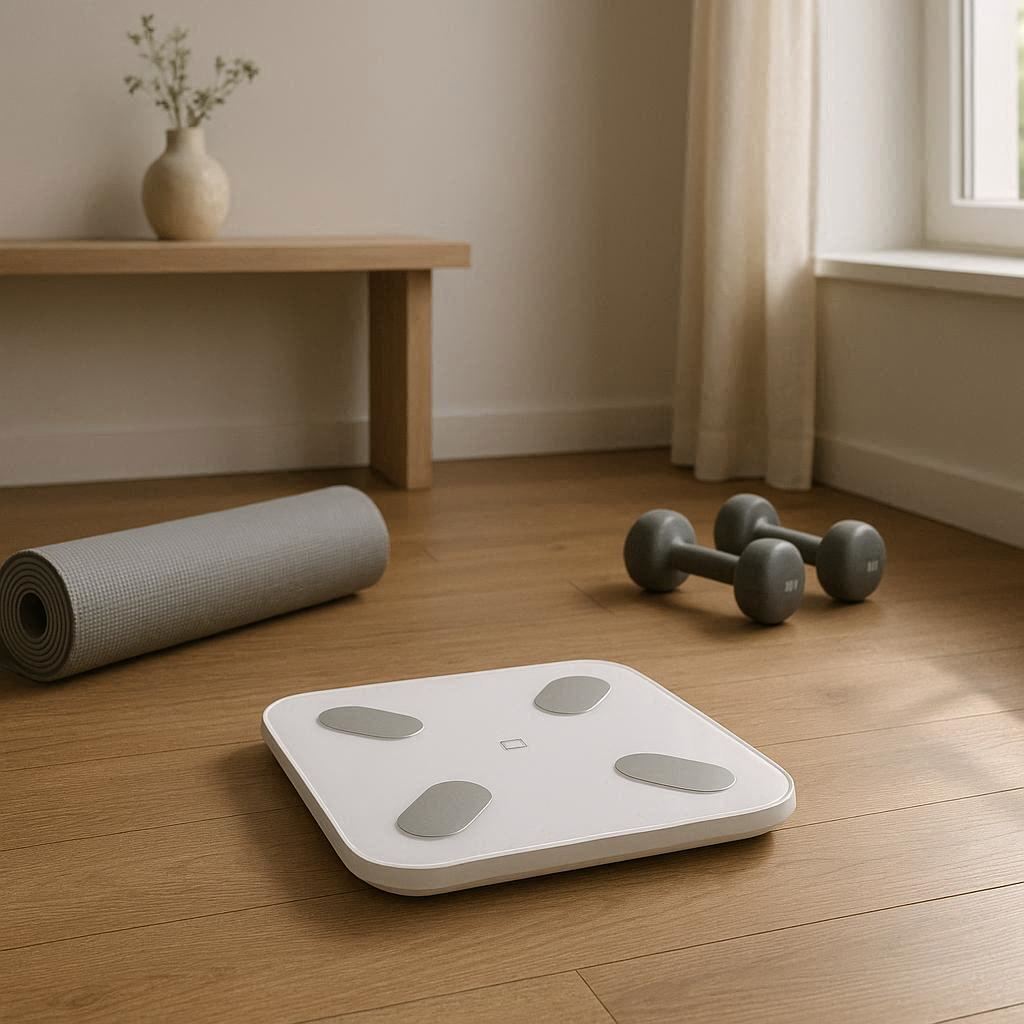
A Look Toward the Future: The Next Stage for Smart Scales
As technology continues to advance, smart scales are expected to become even more intertwined with everyday life. Experts predict that upcoming models will integrate more seamlessly with other smart home devices, making it easier to monitor not only your weight but a wide array of health metrics all at once. Imagine a future where your smart scale communicates directly with your refrigerator, suggesting dietary adjustments based on your nutritional intake, or where it syncs with wearable devices to provide a holistic health report each morning.
This next stage in technology is very important for consumers who want a more connected and responsive health ecosystem. The evolution of these devices will likely include real-time coaching, personalized alerts, and even integration with virtual health consultations. With such advancements, the humble weight scale is set to evolve from a simple measuring instrument into a central hub for managing overall wellness.
The ongoing innovations promise to not only make tracking health metrics easier but also more interactive and engaging. Consumers can look forward to devices that not only record data but also offer actionable insights, thereby transforming everyday health management into a more intuitive and enjoyable experience.
FAQs About Smart Scales
Are smart scales accurate for body fat?
Smart scales can estimate body fat, but they are not 100% accurate. Most devices use Bioelectrical Impedance Analysis, which is affected by factors like hydration, food intake, and time of day. They are best used to track trends over time rather than exact numbers.
How often should I weigh myself on a smart scale?
For the most consistent results, weigh yourself once per day or a few times per week under the same conditions, ideally in the morning before eating or drinking. Consistency matters more than frequency.
Do smart scales work without WiFi?
Yes, many smart scales work without WiFi by using Bluetooth to sync data with your smartphone. However, some features, like cloud storage or automatic syncing, may require an internet connection.
Can multiple users use one smart scale?
Yes, most smart scales support multiple users and can automatically recognize different profiles. This makes them a great option for families or households sharing one device.
What is the best smart scale for weight loss?
The best smart scale for weight loss is one that offers accurate weight tracking, reliable app integration, and consistent measurements. Features like body composition tracking and progress charts can help you stay motivated and monitor long-term results.
Why does my weight change every day?
Daily weight fluctuations are completely normal and can be influenced by water retention, food intake, hormones, and activity levels. Instead of focusing on daily changes, it’s more helpful to track weekly or monthly trends.
Are smart scales safe to use?
Smart scales are generally safe for most people. However, because they use a small electrical current, individuals with medical devices like pacemakers should consult a healthcare professional before using them.
Final Thoughts
Smart scales offer more than a basic weight reading. They provide an all-in-one look at your health, tracking everything from weight and body composition to trends over time. When choosing a smart scale, consider features such as precision, durability, safe design, and aesthetic appeal. Additionally, aspects like multi-user support, battery life, and data connectivity are key to making the most of your device.
Whether you prioritize design, storage ease, or high precision measurement capabilities, there is a model out there that fits your lifestyle and fitness goals perfectly. With the right approach and consistent use, a smart scale can be a very effective tool in making your weight loss routine more informed, engaging, and motivating. Which model, then, speaks to that perfect blend of smart features and reliability for you? It might be time to upgrade your routine with one of these innovative devices.
Share your experiences or thoughts on which features have been most useful along your fitness path. Every bit of feedback helps in making a smarter, healthier choice for everyone.
Choosing the right smart scale isn’t about picking the most advanced device, it’s about finding one that fits your lifestyle and helps you stay consistent.
Focus on these key features, and you’ll turn your smart scale into a powerful tool for long-term weight loss success.
Which feature matters most to you? Let me know, I’d love to hear how you track your progress.
Stay updated with the Weightletics publication for new exercises, tips, and full workout plans.

Disclaimer: Smart scales provide estimates based on algorithms and are not a substitute for professional medical advice or clinical measurements.