 Dany
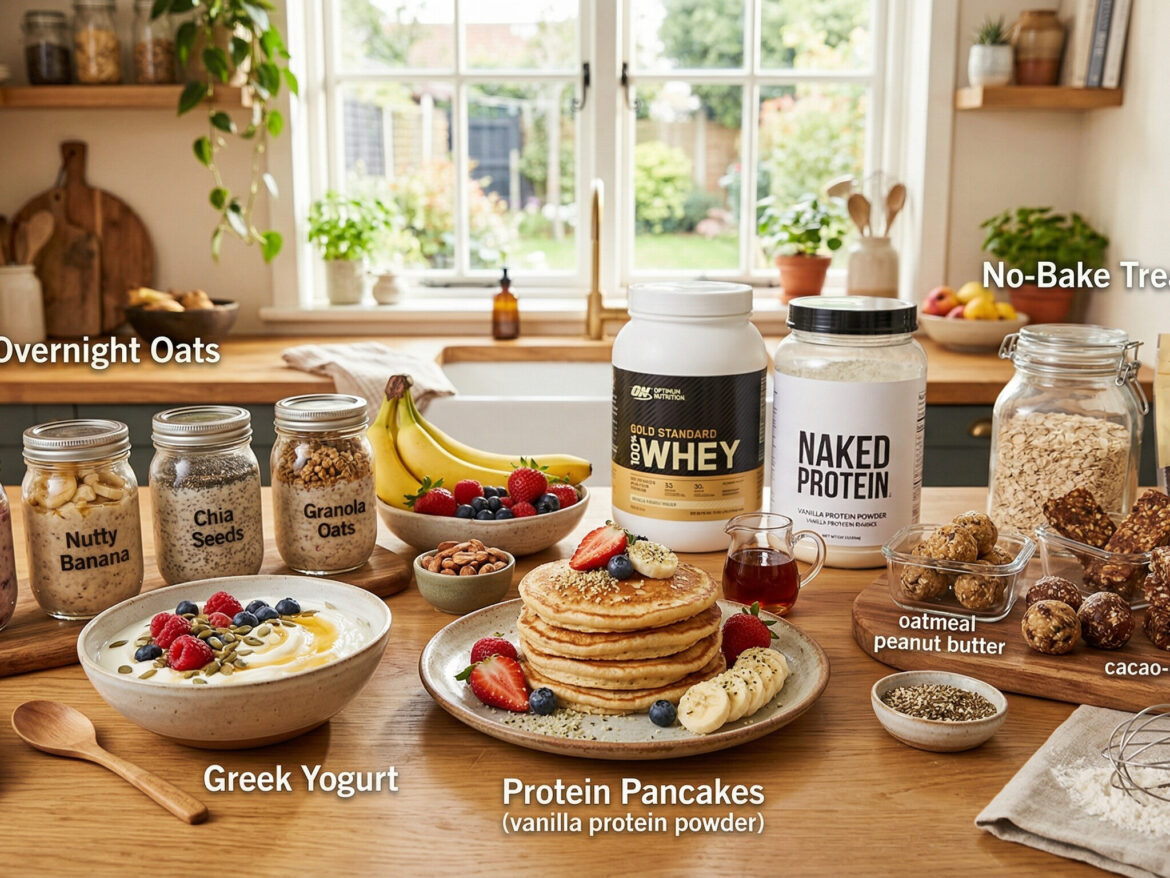
Dany Vanilla protein powder can be used in a variety of foods beyond shakes, including oats, pancakes, yogurt, snacks, and desserts. Its mild flavor makes it easy to incorporate into everyday recipes, helping increase protein intake while maintaining taste and texture. These simple recipes provide practical alternatives to traditional protein drinks.
If you’ve got a vanilla protein powder tub hogging precious pantry space, I definitely feel you. I bought that big ol’ bargain jug, thinking I’d drink shakes every day, but reality looks more like me glaring at it while craving something with a bit more, well, fun.
Honestly, vanilla is the MVP for protein powder recipes. Its subtle flavor doesn’t drown everything out, so you can sneak it into all sorts of snacks and meals. There are dozens of ways to use it that don’t even involve plugging in a blender for yet another shake.
Here comes your one-stop guide to my top 10 favorite vanilla protein powder recipes, none of which are shakes. From breakfast upgrades to snack attacks and sweet cravings, there’s something in here for anyone stuck with scoop fatigue.
Most of these recipes were tested with standard 20–25g protein scoops, which helped maintain consistency in texture and results across different meals.
What’t On The Menu
- TL;DR – 10 Creative Vanilla Protein Powder Recipes
- What Actually Works (After Testing These Recipes)
- Why Trust These Recipes?
- Best Ways to Use Vanilla Protein Powder (By Meal Type)
- Breakfast Remix: Start Strong Without The Shake
- NoBake Snacks & Sweets
- Creative Smoothies, Not Just the Usual Shake
- Common Mistakes When Using Protein Powder in Recipes
- Tips for Cooking with Protein Powder (Without Ruining Texture)
- FAQ: Vanilla Protein Powder Recipes That Aren’t Shakes
- Put Your Vanilla to Work: Quick Recap, My Take, Your Move
TL;DR – 10 Creative Vanilla Protein Powder Recipes
Sick of protein shakes? Vanilla protein powder is way more flexible than most people think. Try it in overnight oats, pancakes, no bake balls, desserts, and creative snacks. Each recipe packs extra protein and flavor in simple, no-fuss steps, plus, I’ve included nutrition, benefits, and gear you’ll want for the kitchen.
What Actually Works (After Testing These Recipes)
After testing these vanilla protein powder recipes multiple times, a few patterns stood out. Recipes that included moisture-rich ingredients like banana, yogurt, or applesauce consistently turned out better in both texture and taste.
I also found that adding protein powder too early when cooking (especially in hot oats) often caused clumping or a rubbery texture. Letting food cool slightly before mixing in protein made a noticeable difference.
Another key takeaway: not all protein powders behave the same. Whey blends more smoothly into most recipes, while plant-based powders often need extra liquid or blending to avoid a grainy texture.
Why Trust These Recipes?
Vanilla protein powder is versatile and easy to incorporate into everyday foods because its mild flavor blends well with both sweet and neutral ingredients. It can be added to oats, pancakes, yogurt, and desserts to increase protein intake without significantly altering taste or requiring complex preparation.
I’ve personally tested these recipes using different types of vanilla protein powder (whey and plant-based). The goal was simple: create easy, realistic meals that actually taste good and fit into a busy lifestyle.
As someone focused on sustainable weight loss and balanced nutrition, I prioritize recipes that are high in protein, satisfying, and simple to prepare.
Best Ways to Use Vanilla Protein Powder (By Meal Type)
Based on testing, some recipes work better than others depending on the type of protein powder you’re using:
- Best for breakfast: Oats, pancakes, yogurt bowls
- Best for snacks: Protein balls, mug cakes
- Best for quick drinks: Smoothies and lattes
If you’re using whey protein, it performs best in cooked recipes. If you’re using plant-based protein, it tends to work better in no-bake or blended recipes where texture can be adjusted more easily.
Breakfast Remix: Start Strong Without The Shake
Protein Packed Overnight Oats
Prep Time: 5 minutes (+ overnight soak)
Protein: 20 – 25g
Calories: 300 – 350
Difficulty: Easy
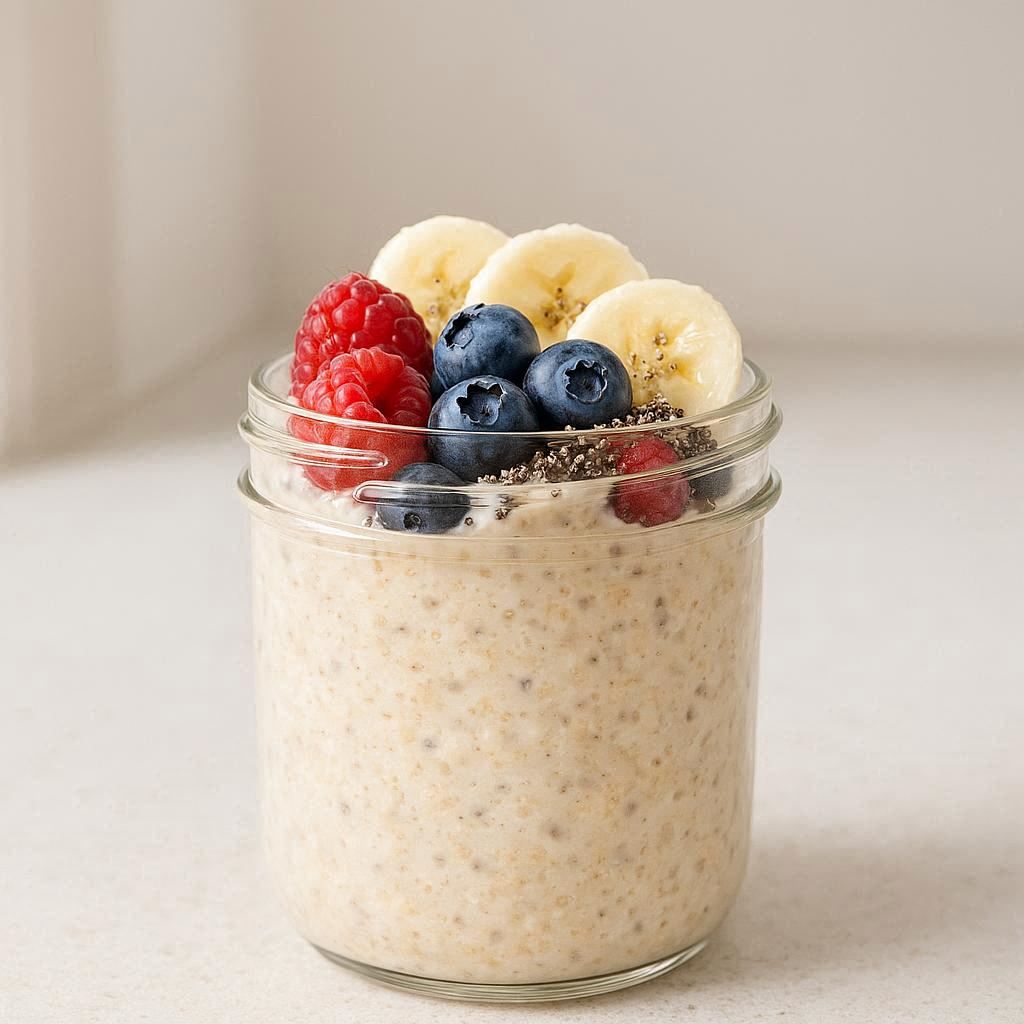
This overnight oats is one of my go-to high protein snacks for busy mornings.
- Ingredients: 1/2 cup rolled oats, 1 cup unsweetened almond milk, 1 scoop vanilla protein powder, 1 tablespoon chia seeds, 1/2 banana (sliced), optional: berries or a drizzle of peanut butter
- Directions: Stir everything together in a jar. Let it chill in the fridge overnight (6-8 hours).
- Calories: About 300-350 per serving
Benefits: Keeps you full longer, and chia seeds add healthy fats. Makes mornings easy, just grab and go.
Fluffy Vanilla Protein Pancakes
Prep Time: 10 minutes
Cook Time: 10 minutes
Protein: 25 – 30g
Calories: 250 – 300
Difficulty: Easy

I swap out half my flour for vanilla protein, and these taste like regular pancakes, just with more staying power.
- Ingredients: 1/2 cup flour, 1/2 cup vanilla protein powder, 1 tsp baking powder, pinch of salt, 1 egg, 3/4 cup milk (of choice), 1 tsp vanilla extract, 1 tsp cinnamon
- Directions: Mix dry, add wet, cook on a nonstick skillet (lowmedium) until bubbles form and flip. Stack, top, and enjoy!
- Calories: Around 250-300 (per stack of 2-3 small pancakes)
Benefits: More protein per bite, and that cinnamon boost makes the vanilla really shine. If you need gluten free, use oat or almond flour, easy swap.
Vanilla Greek Yogurt Bowl
Prep Time: 5 minutes
Protein: 25 – 35g
Calories: 200 – 250
Difficulty: Easy

Honestly, stirring a scoop of vanilla protein straight into plain Greek yogurt is a top tier hack for an ultra thick, mouselike snack.
- Ingredients: 3/4 cup plain Greek yogurt, 1 scoop vanilla protein powder, handful berries, optional: honey, nuts, or granola
- Directions: Mix well and top as you like.
- Calories: 200-250 depending on toppings
Benefits: Super filling and perfect for meal prep tubs. This one saves me from vending machine runs every time.
NoBake Snacks & Sweets
Vanilla Bean Protein Balls
Prep Time: 10 minutes
Chill Time: 30 minutes
Protein: 5 – 7g per ball
Calories: 90 – 100 per ball
Difficulty: Easy
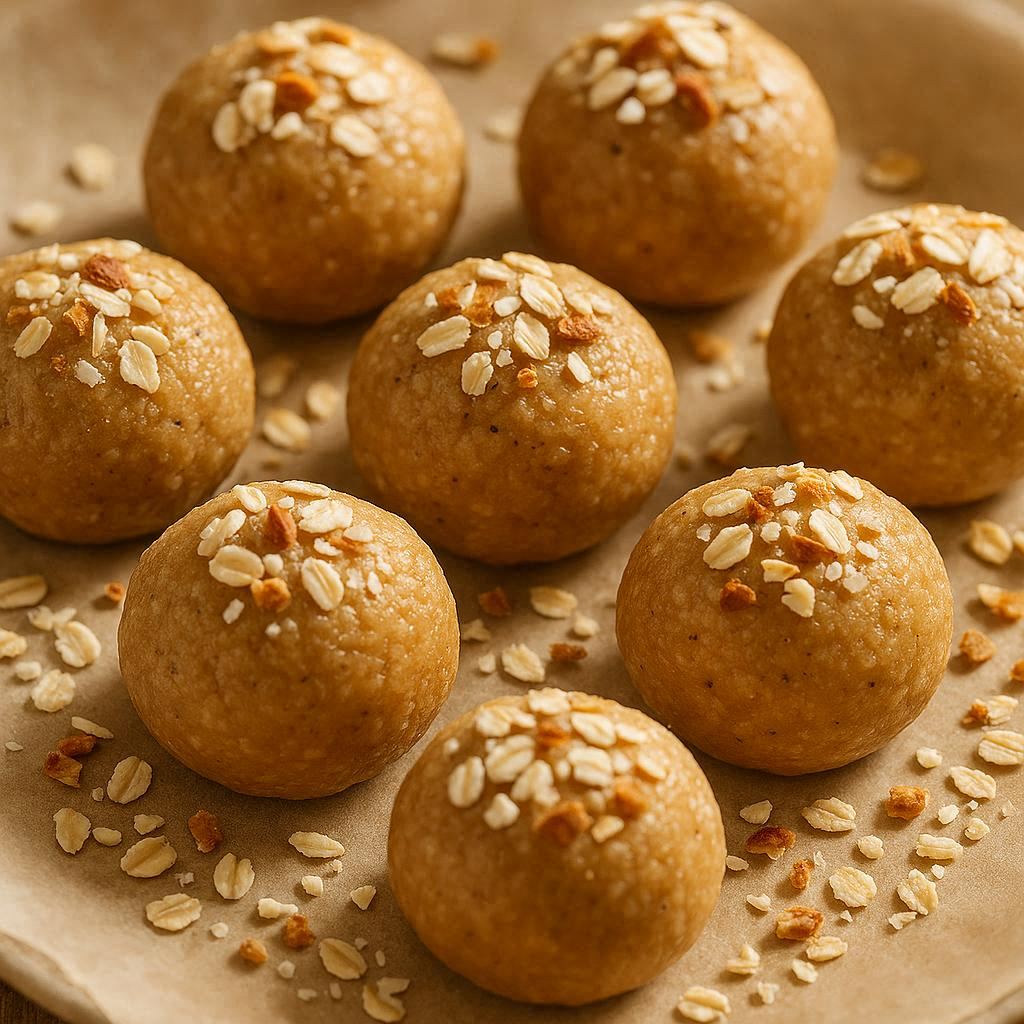
These are perfect high protein snacks to keep in the fridge. This combo is soft, sweet, and easy to grab whenever hunger strikes.
- Ingredients: 1 cup rolled oats, 1/2 cup cashew butter, 1/3 cup honey, 1 scoop vanilla protein powder, pinch salt, 1 tsp vanilla extract
- Directions: Mix, roll into balls, and chill for 30 minutes.
- Calories: About 90-100 per ball (makes around 12)
Benefits: No baking, no fuss, just quick energy for your day.
Proats: Protein Oats Done Right
Prep Time: 5 minutes
Cook Time: 5 minutes
Protein: 20 – 25g
Calories: 250 – 300
Difficulty: Easy
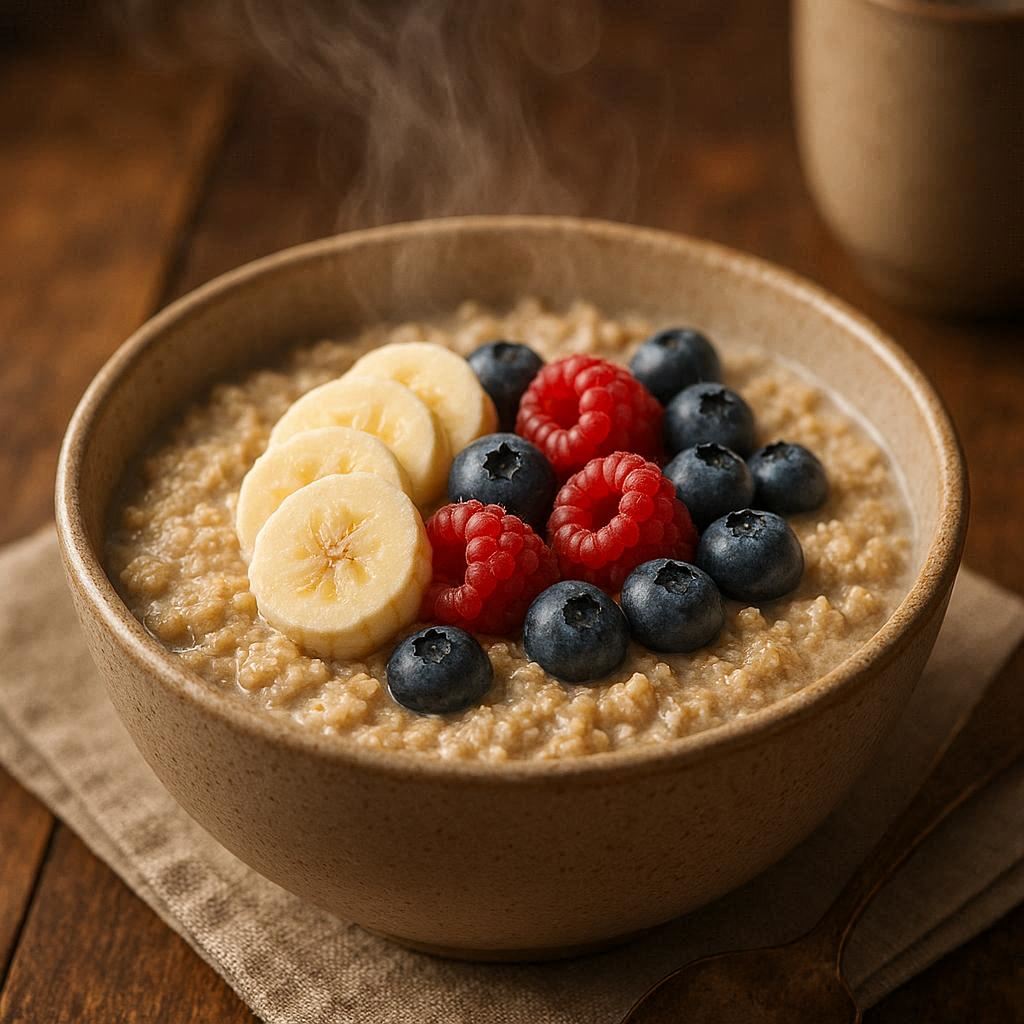
Adding protein powder to hot oats sounds easy, but my first tries ended up chunky. Now, I always cook my oats first, let them cool for a minute, then stir in my vanilla protein, smooth as a milkshake!
- Ingredients: 1/2 cup quick oats, 1 cup water or milk, 1 scoop vanilla protein powder, fruit for topping
- Directions: Cook oats, then add powder after pulling off the heat. Top with fruit.
- Calories: 250-300 per serving
Benefits: Warm, simple, and actually blends well with the vanilla flavor.
Vanilla Mug Cake (90 Seconds!)
Prep Time: 5 minutes
Cook Time: 1–2 minutes
Protein: 20 – 25g
Calories: 190 – 250
Difficulty: Easy
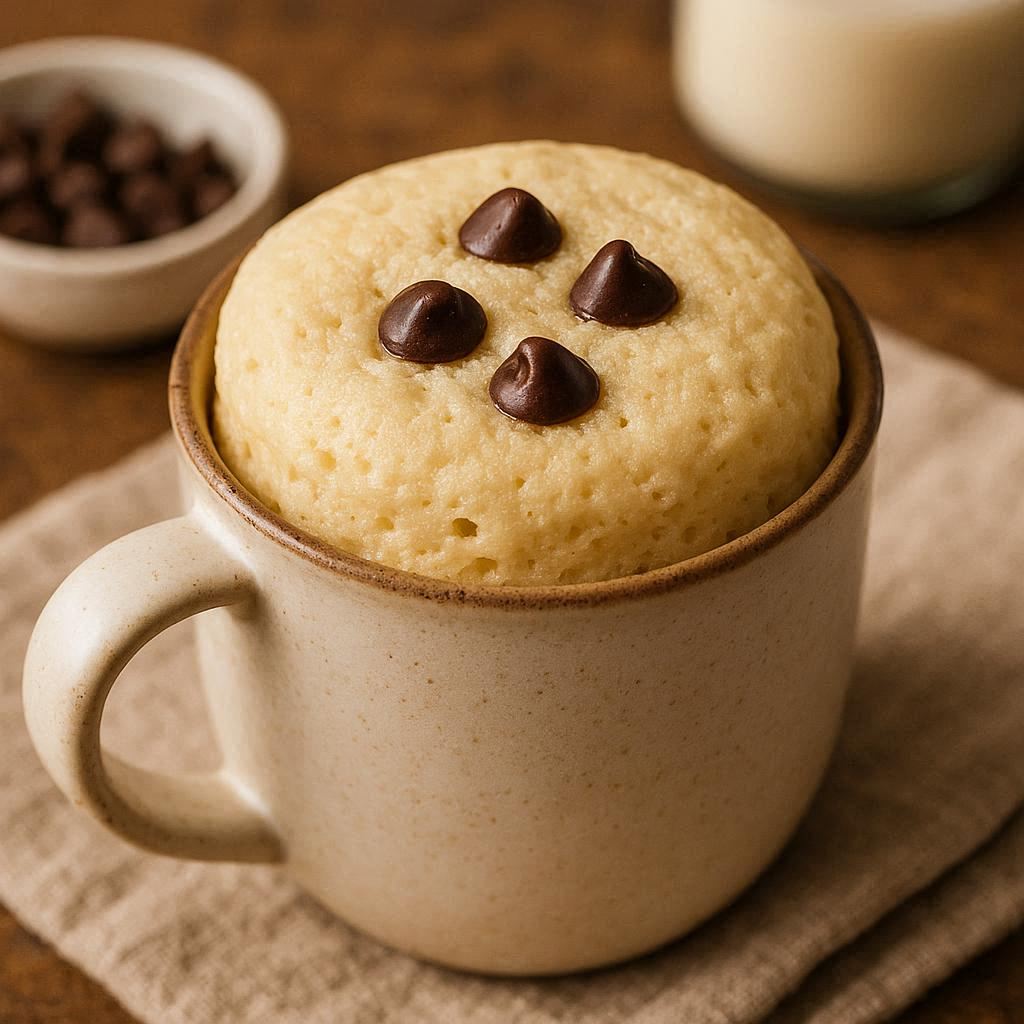
Late night sweet tooth? This vanilla mug cake has rescued me so many times. A quick option when you’re craving healthy protein desserts.
- Ingredients: 1 scoop vanilla protein powder, 1 tbsp almond flour, 1 tbsp applesauce or mashed banana, 1 egg, 1/4 tsp baking powder, splash of milk, optional: chocolate chips or sprinkles
- Directions: Mix well in a mug, microwave for 60-90 seconds.
- Calories: 190-250 depending on mixins
Benefits: Singleserving, fast, and way healthier than a late cookie binge.
Creative Smoothies, Not Just the Usual Shake
“Orange Orange Julius”
Prep Time: 5 minutes
Protein: 20 – 25g
Calories: 180 – 220
Difficulty: Easy
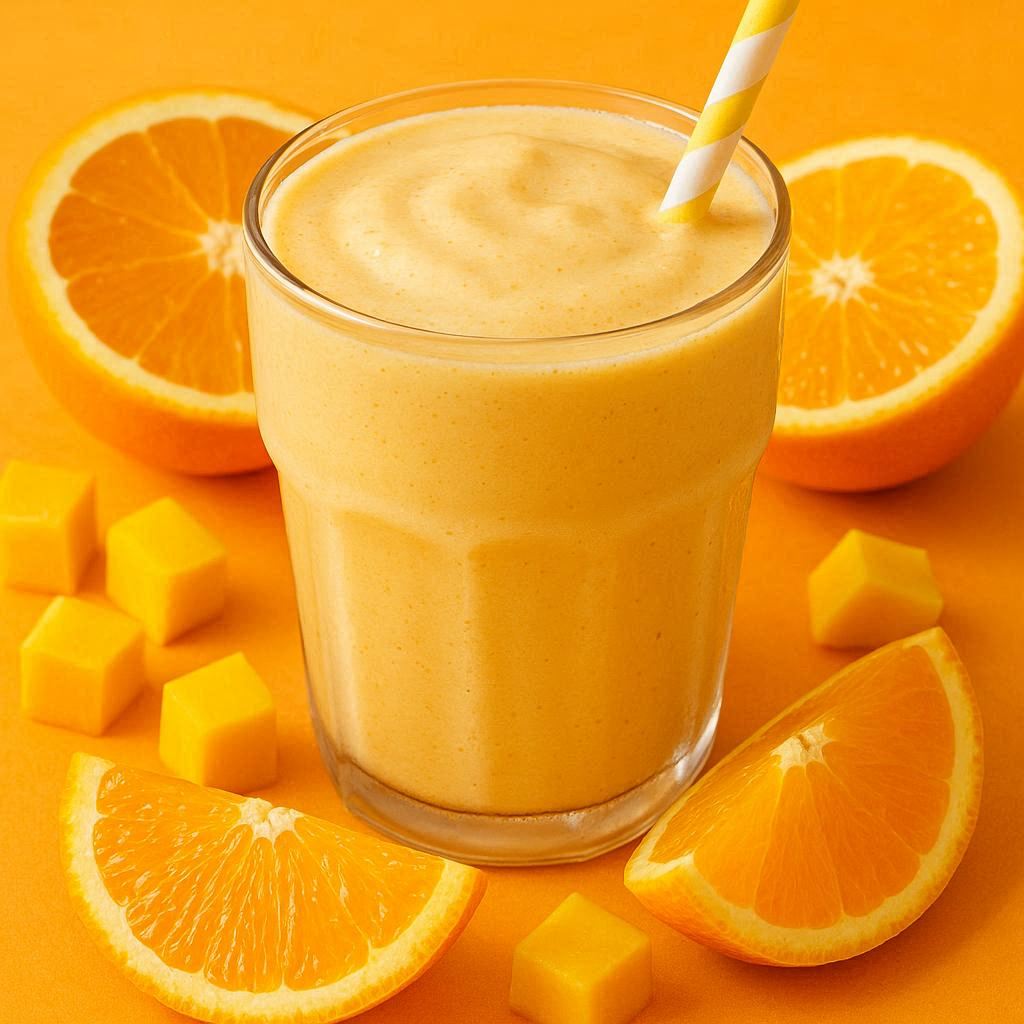
This is like an orange vanilla ice cream float, but you can actually drink it for breakfast.
- Ingredients: 1 scoop vanilla protein powder, 1/2 cup frozen mango, 1/2 cup orange juice, 1/2 cup coconut milk (or other milk), handful of ice
- Directions: Blend until smooth. Feels like a treat every time.
- Calories: 180-220
Benefits: Boosts vitamin C, tastes just like an orange cream popsicle without the crash.
Iced Vanilla Protein Latte
Prep Time: 5 minutes
Protein: 20 – 25g
Calories: 100 – 120
Difficulty: Easy
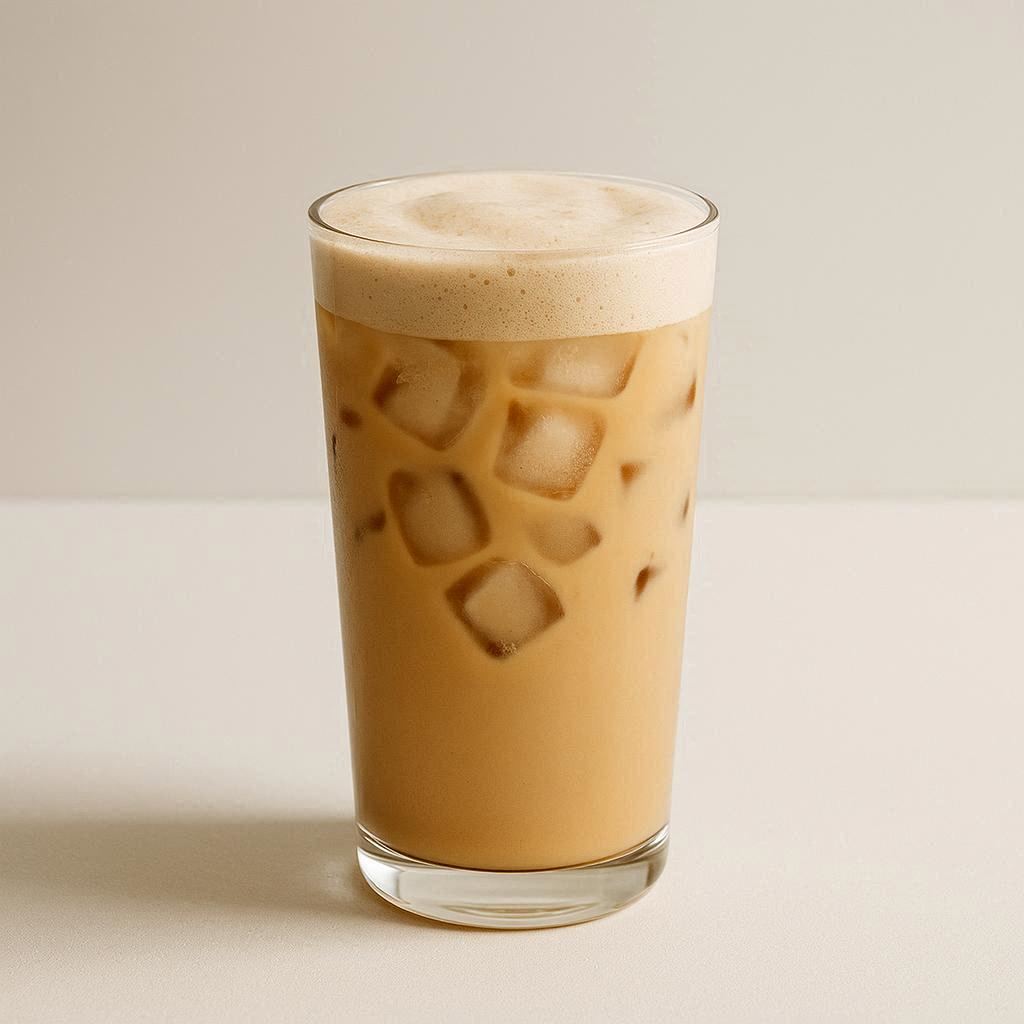
I used to spend way more at coffee shops for this, so I’m glad I figured out the DIY version.
- Ingredients: 1 scoop vanilla protein powder, 1/2 cup hot coffee, 1 cup ice, splash of milk
- Directions: Shake powder with coffee and milk, pour over ice.
- Calories: 100-120 (depends on milk)
Benefits: Cheap, fills you up, and cuts out sugary syrups.
The Green Machine
Prep Time: 5 minutes
Protein: 20 – 25g
Calories: 180 – 210
Difficulty: Easy

If you’re nervous about drinking greens, this combo hides spinach or kale flavors behind sweet vanilla. Tastes better than it has any right to.
- Ingredients: 1 cup spinach, 1 frozen banana, 1 scoop vanilla protein powder, 3/4 cup almond milk, teaspoon flaxseed (optional)
- Directions: Blend everything until completely smooth.
- Calories: 180 – 210
Benefits: Micronutrient boost with zero bitterness. Great as a pickmeup lunch companion.
Note: Protein values are estimated based on an average scoop of protein powder (20 – 25g protein) and may vary depending on brand and ingredients used.
Common Mistakes When Using Protein Powder in Recipes
One of the most common mistakes is treating protein powder like regular flour. It doesn’t behave the same way and can quickly dry out recipes if too much is used without adding extra moisture.
Another issue is overheating. Cooking protein powder at very high temperatures or adding it to boiling liquids can lead to clumping or a rubbery consistency.
Finally, not adjusting liquids is a big reason recipes fail. If your batter feels too thick after adding protein powder, adding small amounts of milk or water can fix the texture immediately.
Tips for Cooking with Protein Powder (Without Ruining Texture)
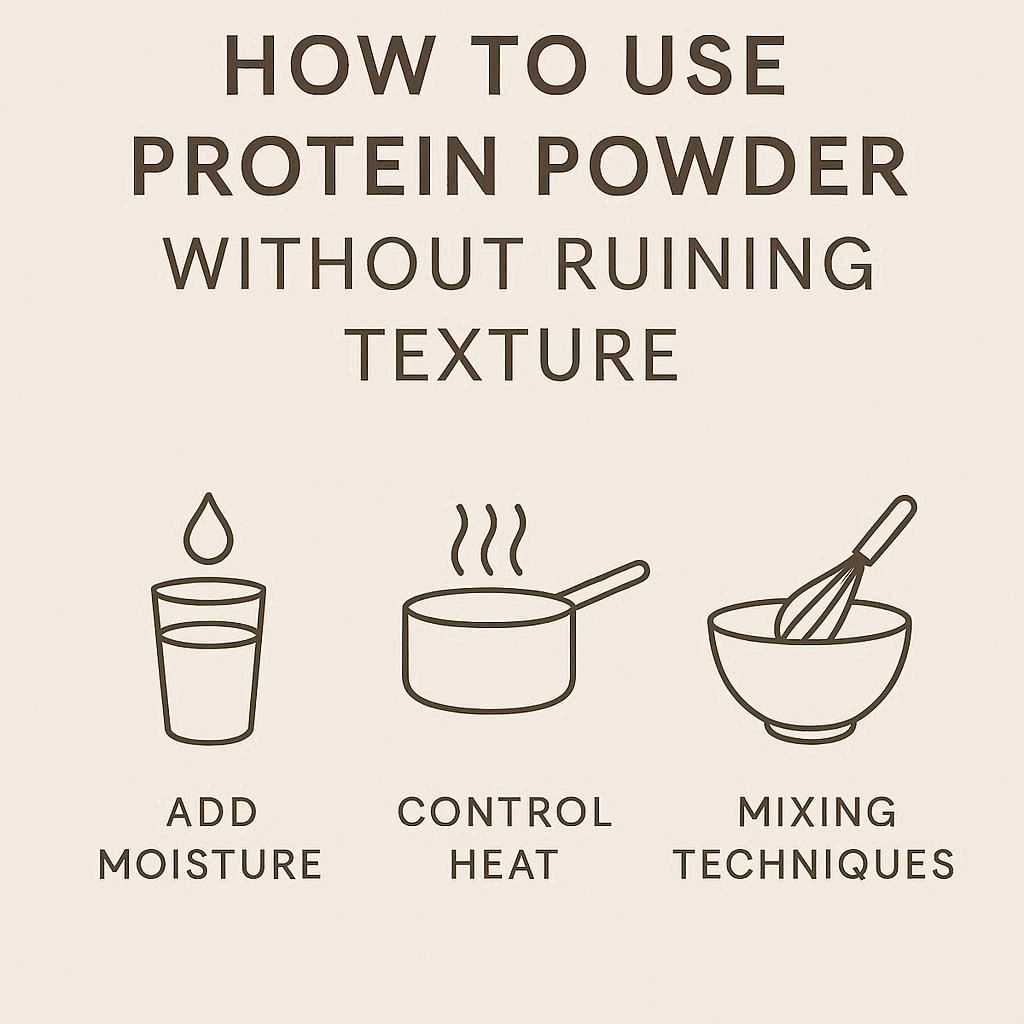
Cooking with protein powder requires balancing moisture and temperature to avoid dryness or clumping. Adding ingredients like banana or yogurt improves texture, while using moderate heat prevents rubbery results. Replacing up to half the flour in recipes with protein powder helps maintain structure and taste.
The Dryness Factor
Whey protein can dry out bakes. I always add a little applesauce or mashed banana to keep things nice and moist. Works especially well in muffins or pancakes.
Watch Your Temps
High temps (like boiling) turn protein powder into rubbery lumps. I keep it below 375°F when baking and add protein later for stovetop dishes whenever possible.
Substitution Ratios
You can swap up to half your flour in baked goods for protein powder. If a recipe calls for a cup of flour, use 1/2 cup vanilla protein and 1/2 cup flour. Just remember to add a little extra moisture!
Note: Nutritional values are estimates and may vary depending on ingredients and protein powder brands used.
Quick Fixes for Texture Problems
If your recipe doesn’t turn out right, here are quick fixes that usually work:
- Too dry: Add applesauce, banana, or a splash of milk
- Too thick: Add liquid 1 tablespoon at a time
- Too chalky: Mix protein powder with wet ingredients first
- Too rubbery: Lower cooking temperature or reduce protein amount
These small adjustments can make a big difference, especially when experimenting with new protein powders.
Gear I Swear By
- BlenderBottle Shaker (for mixing protein smooth and lumpfree)
- Mason Jar Set (for meal prepping overnight oats and yogurt bowls)
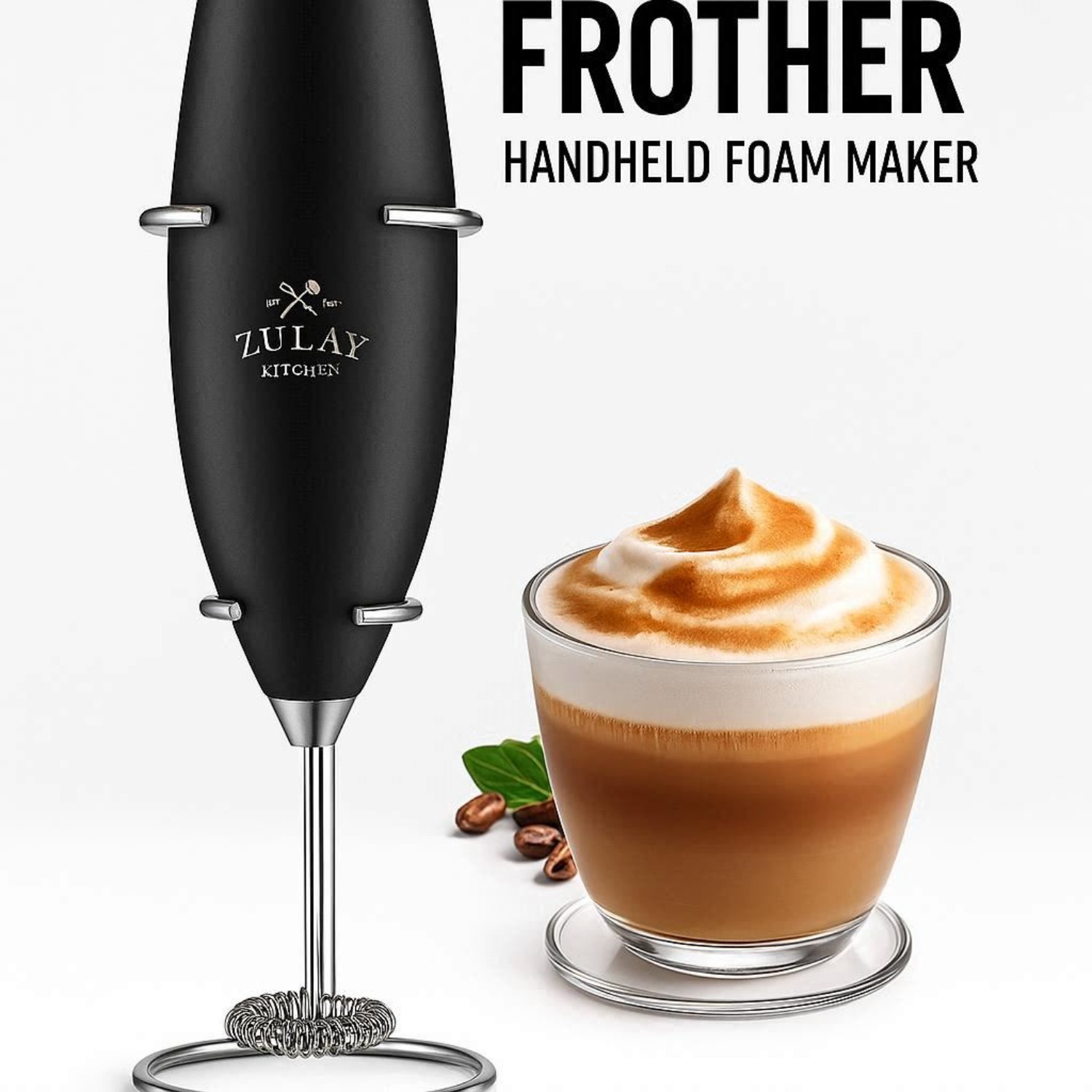
- Hand Frother (for prolevel lattes at home)


FAQ: Vanilla Protein Powder Recipes That Aren’t Shakes
Protein powder can be used in foods like oats, baked goods, and snacks by mixing it with moist ingredients to improve texture. It is safe to cook with at moderate temperatures and can support nutrition goals such as increased protein intake, satiety, and muscle recovery.
Can I use plant-based vanilla protein powder in these recipes?
Totally! Just adjust for texture, plant-based powders are sometimes grittier, so try blending or adding more moisture.
Is protein powder safe to heat or bake?
Yes, but stick to moderate temps and avoid boiling. Whey retains most of its structure at normal bake temps.
How do I avoid the “chalky” taste?
Adding protein into something wet (yogurt, oats, pancake batter) helps. Good vanilla powders make a big difference, so don’t be shy about trying new brands.
Any way to make recipes dairyfree?
Easy swap: use almond, coconut, or oat milk and plantbased yogurt where needed. Vanilla protein is pretty friendly to swaps.
What can I make with vanilla protein powder besides shakes?
You can use vanilla protein powder in a wide variety of foods, not just shakes. Some of the easiest options include overnight oats, pancakes, yogurt bowls, no-bake protein balls, and mug cakes. It also works well in healthy protein desserts and baked goods when combined with ingredients that add moisture like banana, applesauce, or yogurt.
What are the best protein powder recipes without shakes?
The best protein powder recipes without shakes are simple, quick, and use everyday ingredients. Popular options include protein pancakes, protein oats (“proats”), energy balls, and yogurt-based snacks. These recipes are easy to prepare and help you increase your protein intake without relying on drinks.
How do I use protein powder in food?
If you’re wondering how to use protein powder in food, the key is to mix it into recipes that already contain moisture. You can stir it into oats, yogurt, or batter for pancakes and baked goods. For best texture, avoid very high heat and add extra liquid ingredients if the mixture becomes too thick.
Whey vs Plant-Based Protein in Recipes
Whey protein tends to mix more smoothly and creates a softer texture in recipes like pancakes, oats, and mug cakes. Plant-based protein powders, on the other hand, are often more absorbent and can create a thicker or slightly grainy texture.
In most cases, plant-based protein works better when you increase liquid slightly or use blending methods, especially in smoothies or no-bake recipes.
Put Your Vanilla to Work: Quick Recap, My Take, Your Move
Vanilla protein powder offers a practical way to increase protein intake without relying on shakes. By incorporating it into simple meals and snacks, it can support balanced nutrition, improve satiety, and add variety to a high-protein diet using accessible, everyday ingredients.
Vanilla protein powder isn’t just for endless shakes. I put it in breakfast, snacks, and treats to make the most out of every scoop, without getting bored. My home kitchen experiments taught me that with the right mixins and tricks, vanilla can fit almost anywhere, bring extra nutrition, and actually taste good.
If even a couple of these recipes break your vanilla monotony, I call that a win. Which one are you most excited to whip up first? Share your pick in the comments below!
These vanilla protein powder recipes prove you don’t need shakes to enjoy high-protein meals. Whether you’re making high protein snacks or quick breakfasts, there are plenty of ways to use protein powder creatively.
Want new food hacks and smart, balanced ways to reach your health goals? Join my “Weightletics” publication for more real life tips about sustainable weight loss, movement, and living well, just pop your email address in to stay in the loop.
Got your own creative way to use vanilla protein powder? Send it my way in the comments, I always love trying a new twist!