
 Dany
Dany Note: This article contains affiliate products. We earn a commission if you make a purchase, at no additional cost to you.
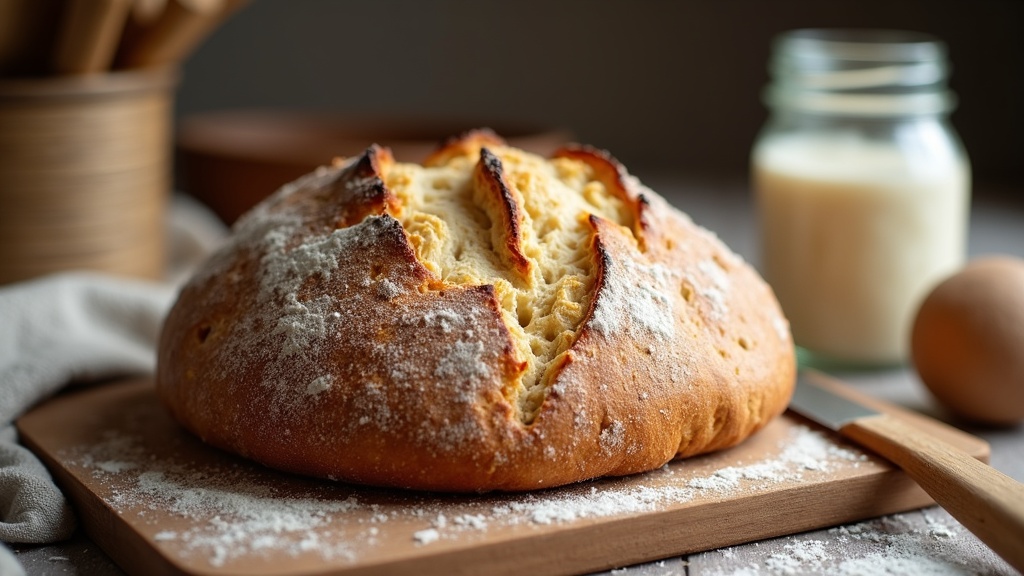
If you’ve ever admired a crusty, rustic loaf and thought it’s way out of reach, here’s some good news: making sourdough bread at home is easier than you might think. This guide walks you through everything you need to know about Easy Sourdough Bread Recipes for Beginners. Get ready to fill your kitchen with that amazing aroma and build a baking habit you’ll actually stick with.
What’s In The Menu
- TL;DR – Quick Bites for Busy Bakers
- Why Sourdough? What Makes It So Popular?
- Getting Started with Sourdough: The Basics
- Your First Easy Sourdough Bread Recipe
- Sourdough Variations Worth Trying
- How to Make Designs on Sourdough Bread
- Fun Facts About Sourdough
- Related Gear for Your Sourdough Adventure
- Sourdough Bread at Home: Main Benefits
- Quick FAQ – What Bakers Always Ask
- Easy Action Plan for Total Sourdough Newbies
- Sourdough Bread in a Nutshell
TL;DR – Quick Bites for Busy Bakers
Easy Sourdough Bread Recipes for Beginners give you a step-by-step path to bake your own loaf. You’ll start with a simple sourdough starter, basic ingredients, and learn tips for shaping, baking, and even decorating your bread. I’m including recipes, tips for cool designs, info on the benefits, fun facts, related products, and answers to the most common questions. Even if you’re short on time, you can stumble upon ways to make fresh bread part of your routine.
Why Sourdough? What Makes It So Popular?
“Sourdough” might sound like something only professional bakers make, but there’s a reason so many people love baking it at home. Sourdough bread is made by fermenting dough using wild yeast and friendly bacteria from a starter, so you don’t need commercial yeast at all. This process gives sourdough its classic tangy flavor, crispy crust, and chewy middle.
Sourdough bread is considered easier to digest and some folks say it may even be better for blood sugar levels than regular bread. It’s also just fun knowing that a bubbly starter pulls it all together. It brings a level of craft and satisfaction to your kitchen.
Getting Started with Sourdough: The Basics
To get going, you really need just three things: flour, water, and salt. Wild yeast in the flour gets to work without needing anything extra. You’ll also want a few kitchen tools, most of which are probably already in your kitchen. Here’s what you’ll need to make things simple and stress-free:
- Sourdough starter: You can make your own or snag one from a friend. Check out this trusty guide to get started.
- Mixing bowl
- Dutch oven or heavy baking pot
- Bench scraper or spatula
- Banneton or a bowl lined with a towel (for proofing)
- Sharp knife or lame for scoring the dough
Keeping these items ready will smooth the way for your sourdough adventure. If you don’t have a Dutch oven, a heavy pot with a lid will do just fine. And for your starter, using clean filtered water can make a small but meaningful difference in the bubbling activity you see.
Your First Easy Sourdough Bread Recipe
Beginner’s Everyday Sourdough Loaf
This simple recipe is perfect for anyone taking their first shot at sourdough. The instructions are easy to follow and don’t require any specialized tools or steps.
Ingredients:
- 500g (about 4 cups) bread flour
- 350g (about 1.5 cups) water (room temperature)
- 100g (about 1/2 cup) active sourdough starter
- 10g (about 2 tsp) salt
Directions:
- Mix: Combine flour, water, and starter. Let sit (autolyse) for 30 minutes, then add salt and mix until well blended.
- Bulk Fermentation: Cover the bowl and leave at room temperature for 4 to 5 hours. During this time, stretch and fold the dough every hour. To do this, pull one edge to the middle, turn the bowl, and repeat each quarter turn.
- Shape and Proof: Turn the dough onto a floured surface, shape it into a round, and place it in a floured bowl or banneton. Cover and proof at room temperature for 1 to 2 hours, or stick it in the fridge overnight for a tangier flavor.
- Bake: Heat oven to 450°F (230°C). Gently turn the dough out onto parchment, score the top, and move it to a Dutch oven with the lid on. Bake covered for 20 minutes, then another 25 minutes uncovered. Let the loaf cool completely before slicing to make sure the texture is perfect.
Calories: About 120 kcal per slice (for a standard 1/12 of a loaf)
- Low in fat, high in satisfaction
- Contains a good amount of protein and fiber, especially when using whole wheat flour
What’s Good About This Recipe?
- Big flavor, chewy texture, and a crispy crust that makes each bite satisfying
- No fancy ingredients or tricky methods
- Beginner friendly, just need patience and a few folds!

Sourdough Variations Worth Trying
Once you’ve mastered the basic loaf, you can try all sorts of new directions. Here are a couple quick options that let you mix in some variety for flavor and texture:
Easy Whole Wheat Sourdough
- Use 200g whole wheat flour and 300g bread flour
- Stick to the main recipe above, but add a splash more water if the dough feels stiff
Seeded Sourdough
- Add 50g mixed seeds (like flax, sunflower, pumpkin) to the dough after the first mix
- Press a few more seeds on top before the final proofing for a hearty, eye-catching crust
You can also try adding fresh herbs or roasted garlic for a super flavorful loaf. These tweaks give a boost to both nutrition and flavor, and you’ll quickly find your favorite combinations as you experiment.
How to Make Designs on Sourdough Bread
When your loaf is shaped and resting in the banneton, it’s time to get creative. Use a sharp blade (a bread lame is handy, but a razor blade works just as well). Score shallow designs: a long slash helps the bread expand, while fun patterns like leaves or wheat stalks let your loaf stand out. Dusting the dough with flour before scoring makes the designs pop. For inspiration, check out Instagram and YouTube, they are packed with great design tutorials that show every step and technique.
Getting creative with your scoring doesn’t just make your bread look next-level cool. It also helps with how your loaf rises in the oven. Try something new each time and you’ll see your skills grow fast.
Fun Facts About Sourdough
- The oldest known sourdough loaves are more than 4,500 years old, ancient Egypt bakeries were baking up a storm long before us.
- San Francisco’s famous tangy sourdough taste comes from unique wild yeasts in the local air that set it apart from other cities.
- Sourdough starters can keep going for decades, being passed down like a tasty family secret or even a flour-fed pet.
Related Gear for Your Sourdough Adventure
- Sourdough Bread Baking Set (banneton, lame, dough scraper, etc.)
- Dutch Oven – perfect for getting crispy crusts
- King Arthur Bread Flour – prized for its great quality and consistency
- Sourdough Baking for Beginners (Book) – your handbook to master the basics and more
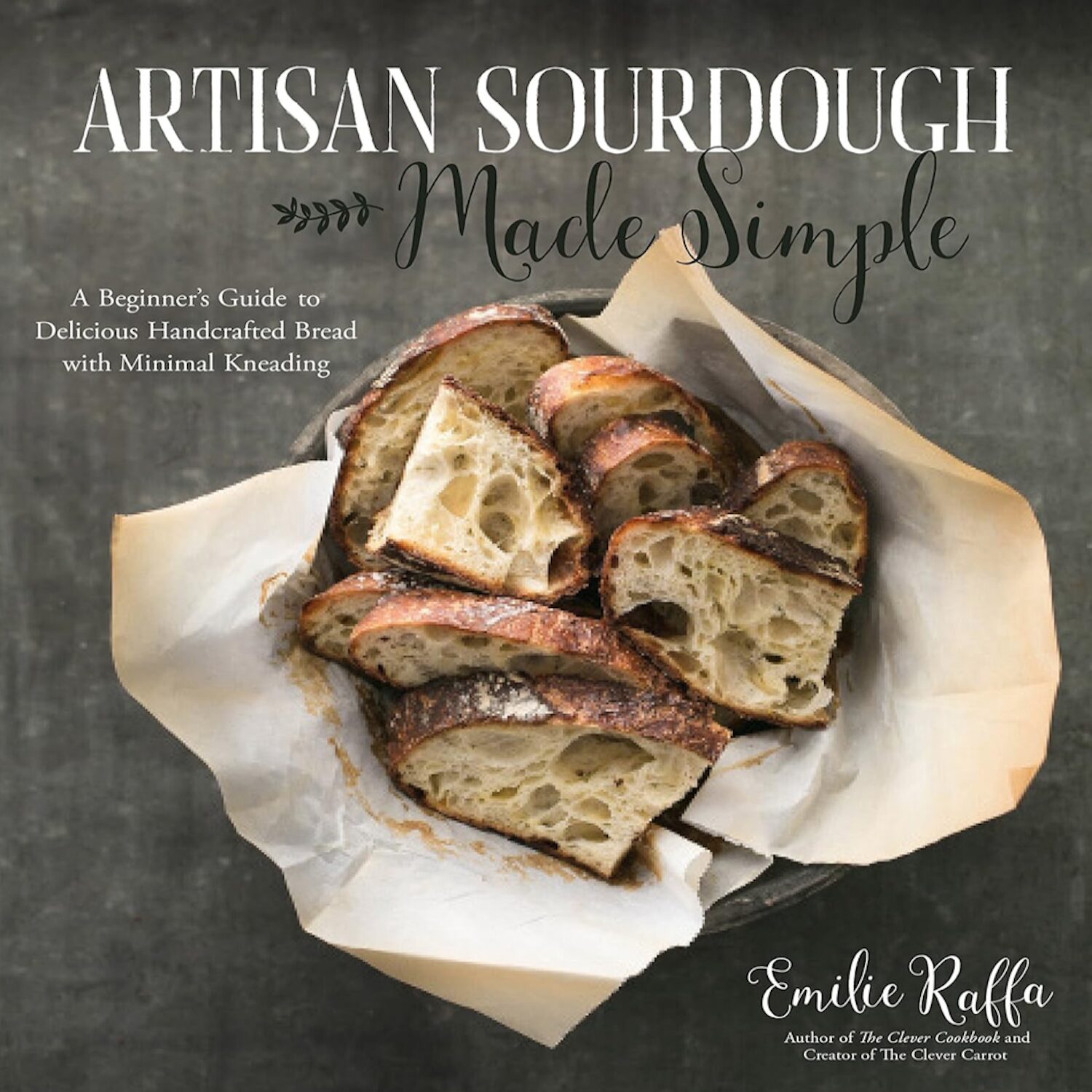
Artisan Sourdough Made Simple: A Beginner’s Guide to Delicious Handcrafted Bread with Minimal Kneading
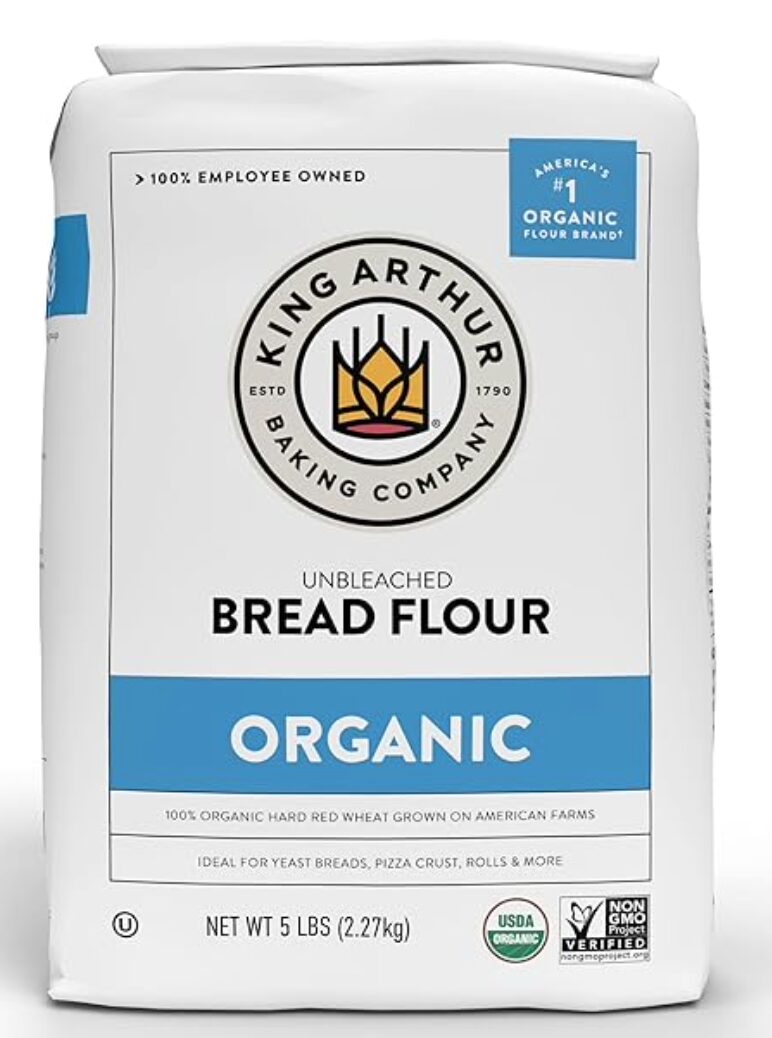
King Arthur Bread Flour
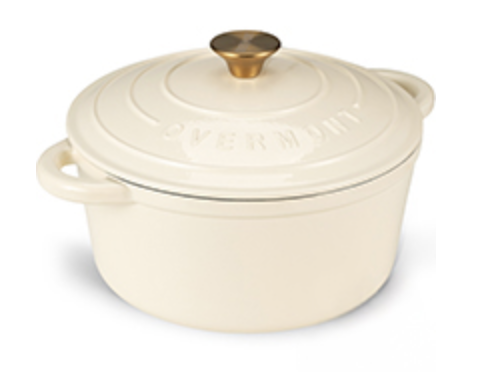
Dutch Oven
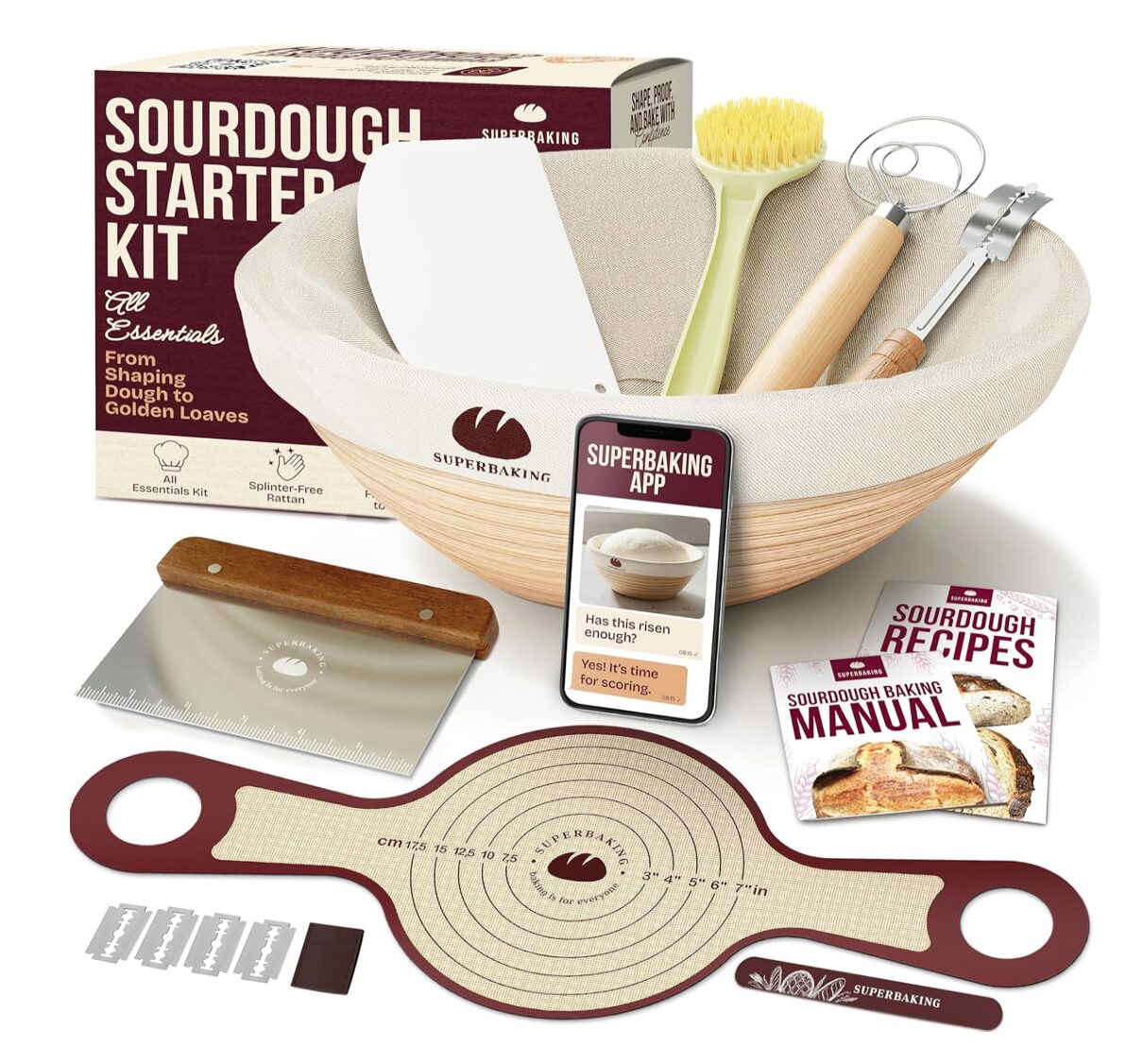
Sourdough Bread Baking Set
Sourdough Bread at Home: Main Benefits
- Richer and more complex flavor from wild yeast and fermentation
- Long fermentation makes bread easier to digest for many people
- Sourdough tends to stay fresh longer than most commercial loaves
- Baking at home lets you control the ingredients and freshness
Quick FAQ – What Bakers Always Ask
Is a sourdough starter hard to take care of?
Not really! Feed it equal parts flour and water once a day (or every other day in the fridge) and it stays happy. Many bakers keep a small batch and feed only when they’re about to bake.
Can I skip using bread flour?
You can use all-purpose flour, but your bread might be a little flatter or have less chew. Mixing all-purpose and bread flour also works well if that’s what’s in your pantry.
Why does my sourdough sometimes come out too dense?
This usually means your starter isn’t bubbly enough or your dough didn’t rise long enough. Try giving it another hour. Patience pays off.
What if my loaf sticks to the bowl?
Flour the bowl or cloth generously before putting in the dough. Rice flour in particular is great for non-stick proofing. You can also use a parchment sling for easy lifting.
Easy Action Plan for Total Sourdough Newbies
- Mix and feed your own starter (takes about a week). Follow a guide like this one.
- After your starter is bubbling and doubles after each feed, make your first loaf using the simple recipe above.
- Try mixing in seeds, different flours, and score different designs to keep the process fun.
- Keep notes in a notebook. Writing down changes in timing, types of flour, and technique helps you dial in your perfect loaf.
- Share your bread, give starter to friends, and join online communities. The sourdough crowd is friendly and full of helpful advice.
Sourdough Bread in a Nutshell
Easy sourdough bread recipes for beginners aren’t just doable. They’re genuinely rewarding. I started completely clueless and now I look forward to baking day.
You don’t need fancy tools or loads of experience, just some patience and curiosity. The best part is that every loaf is a tasty experiment and each bake helps you improve.
Start your batch, have fun with the process, and don’t sweat the small hiccups. Got questions, or want to show off your loaf photos? Drop them in the comments, I’d love to see what you’re baking!
Don’t forget to sign up for my Weightletics FREE newsletter for more cozy tips, kitchen hacks, and doable life upgrades sent right to your inbox.
You may like: “15 Easy Soups To Make For Cozy Weeknights“