
 Dany
Dany Note: This article contains affiliate products. We earn a commission if you make a purchase, at no additional cost to you.
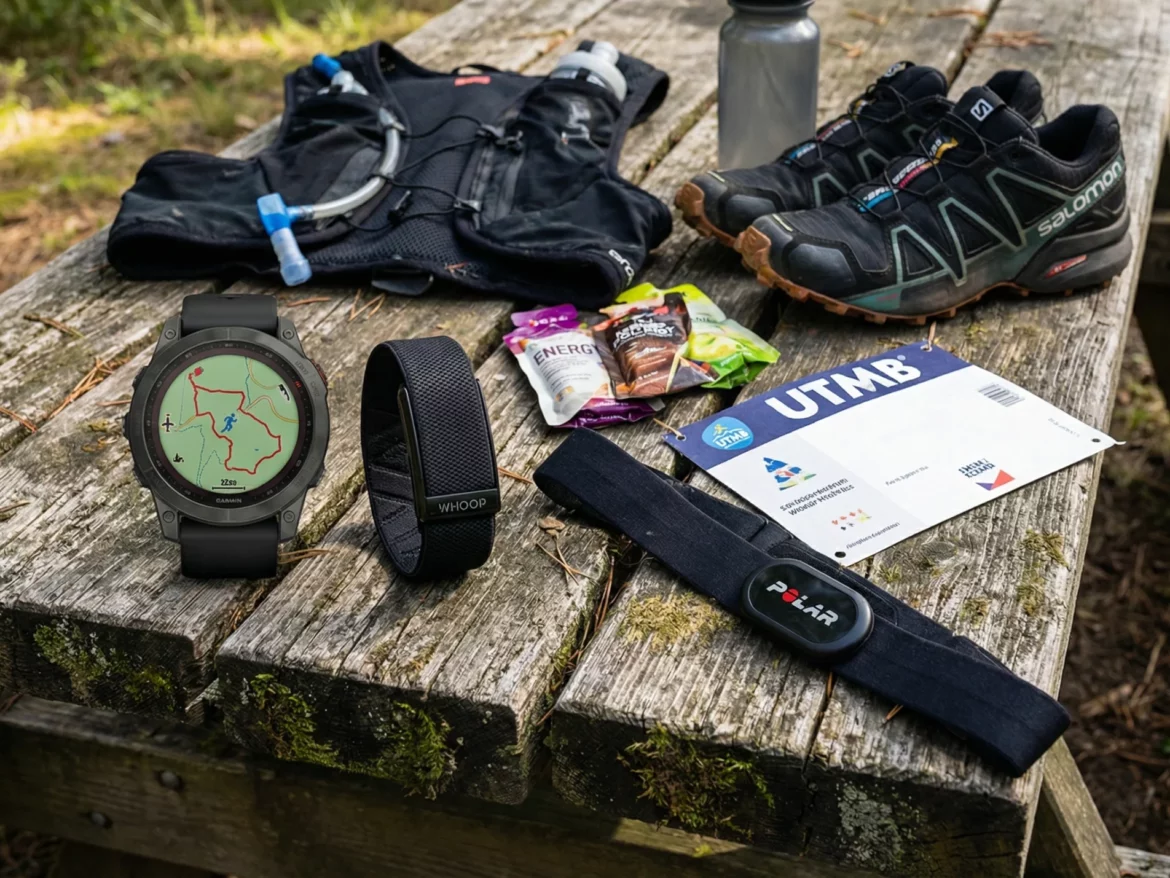
Running performance tracking wearables have made it super easy for runners at all levels to see more than just their pace and mileage. Whether you’re shooting for a new personal best or just want to know if your daily walks are dialed in, finding the right data to track, and knowing what’s just noise, actually makes a huge difference in your training and peace of mind. I’ve been testing gear for years, and there are a few things I wish someone told me early on, so I’m sharing them now.
What On The Menu
- TL;DR: The Main Takeaway on Running Performance Tracking Wearables
- Why Running Performance Tracking Wearables Matter and Who They’re For
- What to Track with Running Performance Tracking Wearables
- What to Ignore When Tracking Runs
- Getting Started: Picking Your First Running Wearable
- Common Stumbling Blocks and How to Get Past Them
- Real-World Stories: Data That Made a Difference
- FAQ: Running Performance Tracking Wearables
- Action Plan: Making the Most of Your Wearable
- Pulling It All Together
- My Take on Run Trackers
TL;DR: The Main Takeaway on Running Performance Tracking Wearables
Most runners only need to keep an eye on a handful of core stats: distance, time, pace, heart rate, and sometimes cadence or elevation. Worrying about every sleep score, stress metric, or advanced analytics can distract from actual progress. Focus on wearables that fit your goals, are comfy, and have the battery life you need. The rest are fun extras, but not worth stressing over.
Why Running Performance Tracking Wearables Matter and Who They’re For
Wearables track and log your movement, sometimes nonstop, and have become a true game changer for runners. From basic pedometers to smartwatches that analyze your stride and recovery, these devices can motivate you to go farther, train smarter, and avoid injury. In my own training, wearing a simple GPS watch flipped how I approached my long runs. No more guessing how far I’d gone, and I finally started seeing real improvements.
Anyone looking to run more consistently, reduce injury risk, or meet specific pace goals can benefit from wearing something on their wrist, chest, or ankle. The Running gear guides at Runner’s World offer solid breakdowns if you want more detail on what’s out there.
What to Track with Running Performance Tracking Wearables
It’s tempting to check every number on your device after a run. Here are the stats I find most useful and why they matter:
- Distance: Knowing exactly how far you’ve run helps with consistency and planning your training. The GPS accuracy of most wearables makes manual tracking pretty much obsolete.
- Pace: This is simple, but it’s the stat that helps you keep from going out too hard or too easy. Real-time pace is a lifesaver during tempo runs or races.
- Time: Time on your feet is just as important as distance, especially when building up your endurance.
- Heart Rate: Tracking your heart rate helps you tune into your exertion level. Most experts, and I agree, recommend running easy runs at a lower heart rate, which means you recover faster and can run more often. When you track heart rate over time, you may also spot trends that show when you’re becoming fitter, like lower HR at similar paces.
- Cadence: Measured as steps per minute, cadence can highlight when your stride is too slow or too choppy, something to work on if you hit a plateau. Some elite runners keep their cadence around 170–180, but your ideal number can vary. Improving your cadence can sometimes help reduce injury risk.
- Elevation Gain: If you train on hills, seeing your climbing data gives context for those slower splits and makes it easier to compare runs effectively. If you live in a hilly area, elevation stats shed light on why your average pace fluctuates more than on flat routes.
What to Ignore When Tracking Runs
Most new wearables now offer recovery scores, body battery, VO2 max estimates, and a bunch of other proprietary figures. While it’s interesting to play around with this data, I usually ignore:
- Sleep Scores: Unless you have medical-level sleep trackers, wearable sleep data can be unreliable. I find my own energy levels, not last night’s sleep score, tell me when I need to rest.
- Stress or Body Battery: These are interesting, but often get in your head and add pressure. Some folks find them motivating, but I just use how I feel as a better gauge.
- Running Power: A hot topic, but not yet accurate enough or useful for most runners unless you’re deep in marathon or ultra training and really want to experiment. For the majority, it may add more confusion than value.
- Race Predictor Times: Take these with a grain of salt. No gadget perfectly knows your potential; it just averages your best performances based on the numbers it has.
- Fluctuating VO2 Max: Unless you do lab testing, wearable-based VO2 max is a guess based off your heart rate and pace. Use your actual progress as a better marker of fitness.
When I started out, I’d obsess about these extras, but now I focus on what actually moves the needle for my performance. For most recreational and even experienced runners, sticking to the basics makes data far less overwhelming and more useful.
Getting Started: Picking Your First Running Wearable
Picking the right device depends a lot on your goals and budget. Some solid options that work for most runners include:
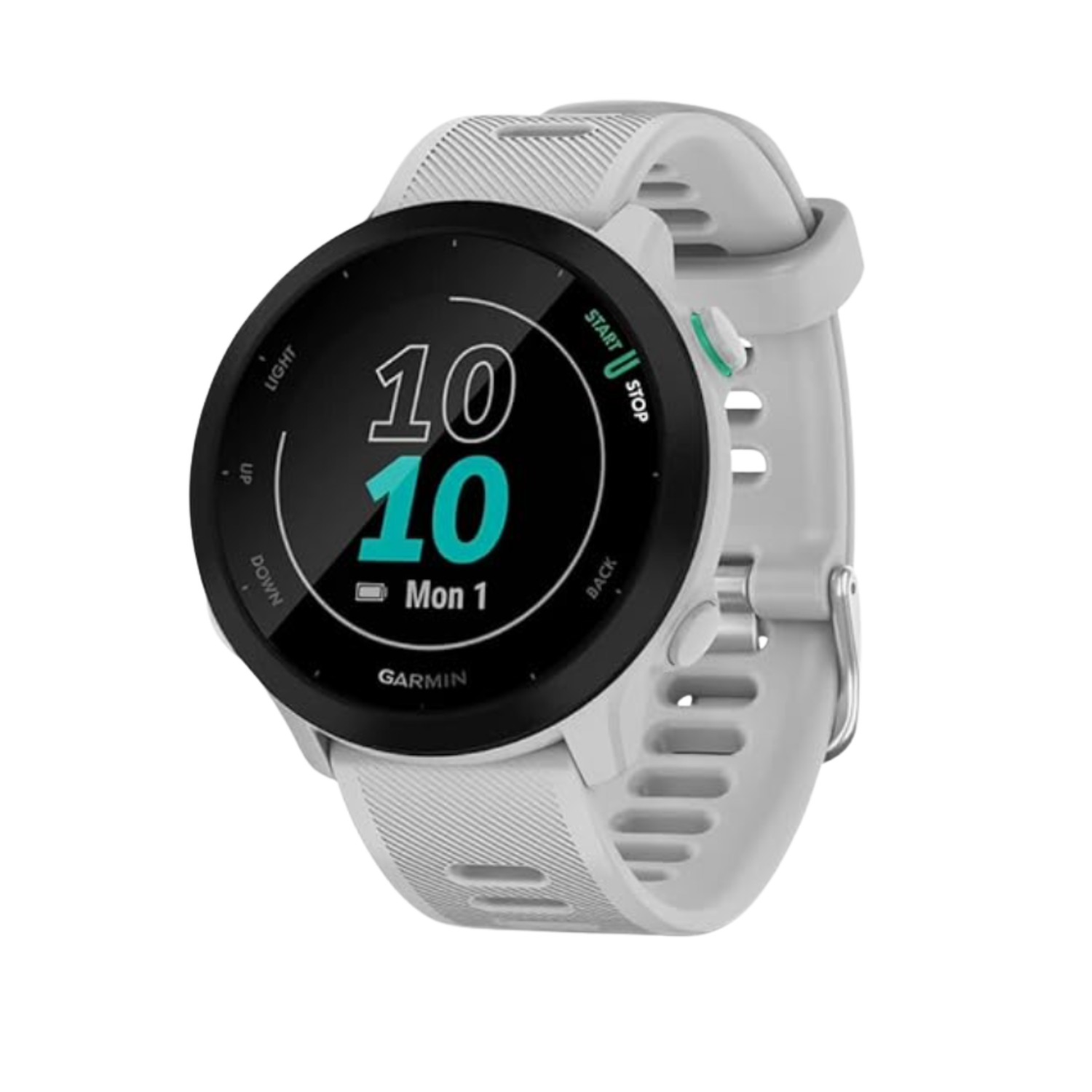
- Garmin Forerunner 55 – Reliable GPS, heart rate sensor, and epic battery for the price.
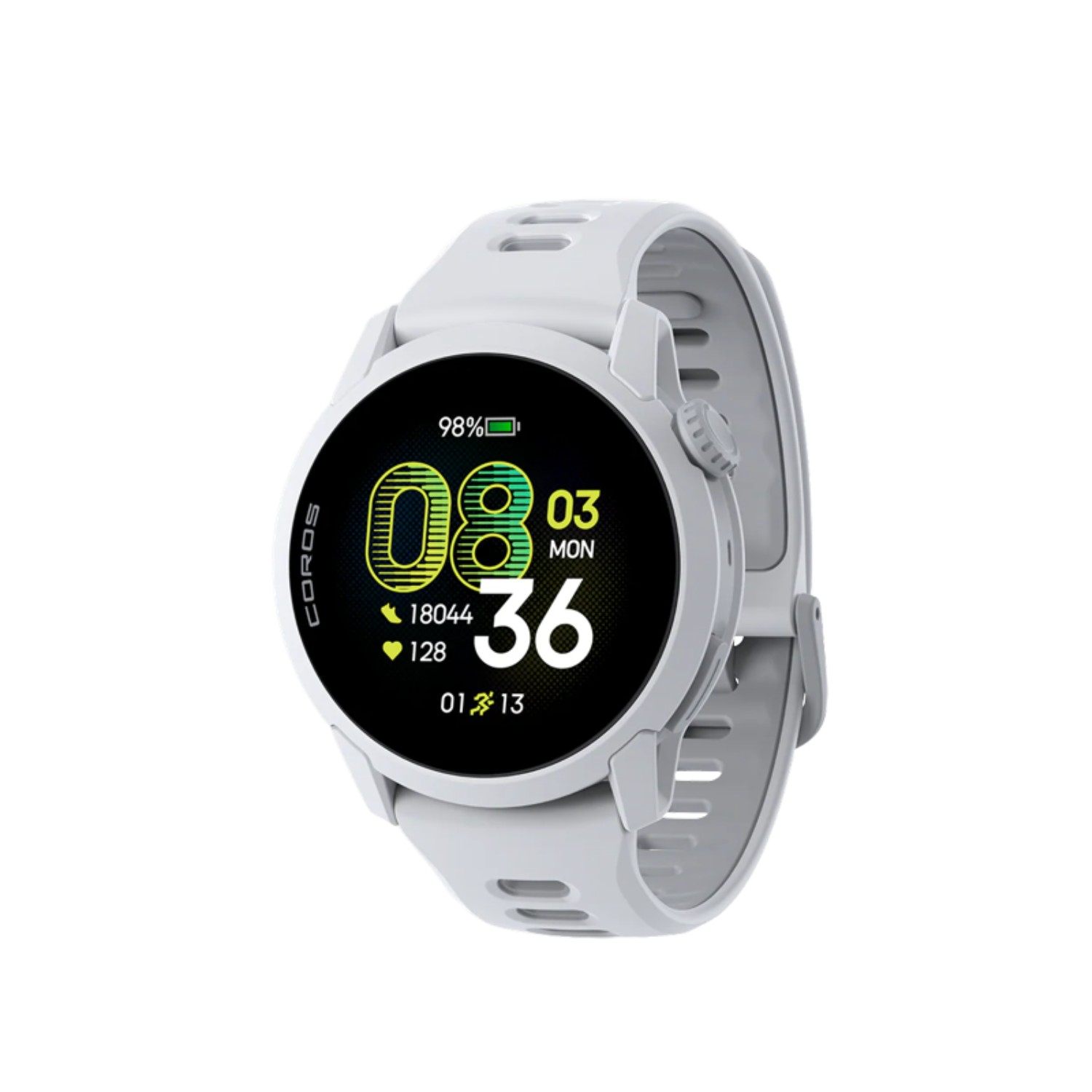
- Coros Pace 4 – Lightweight, with tons of battery and accurate tracking, it’s my go-to for races.
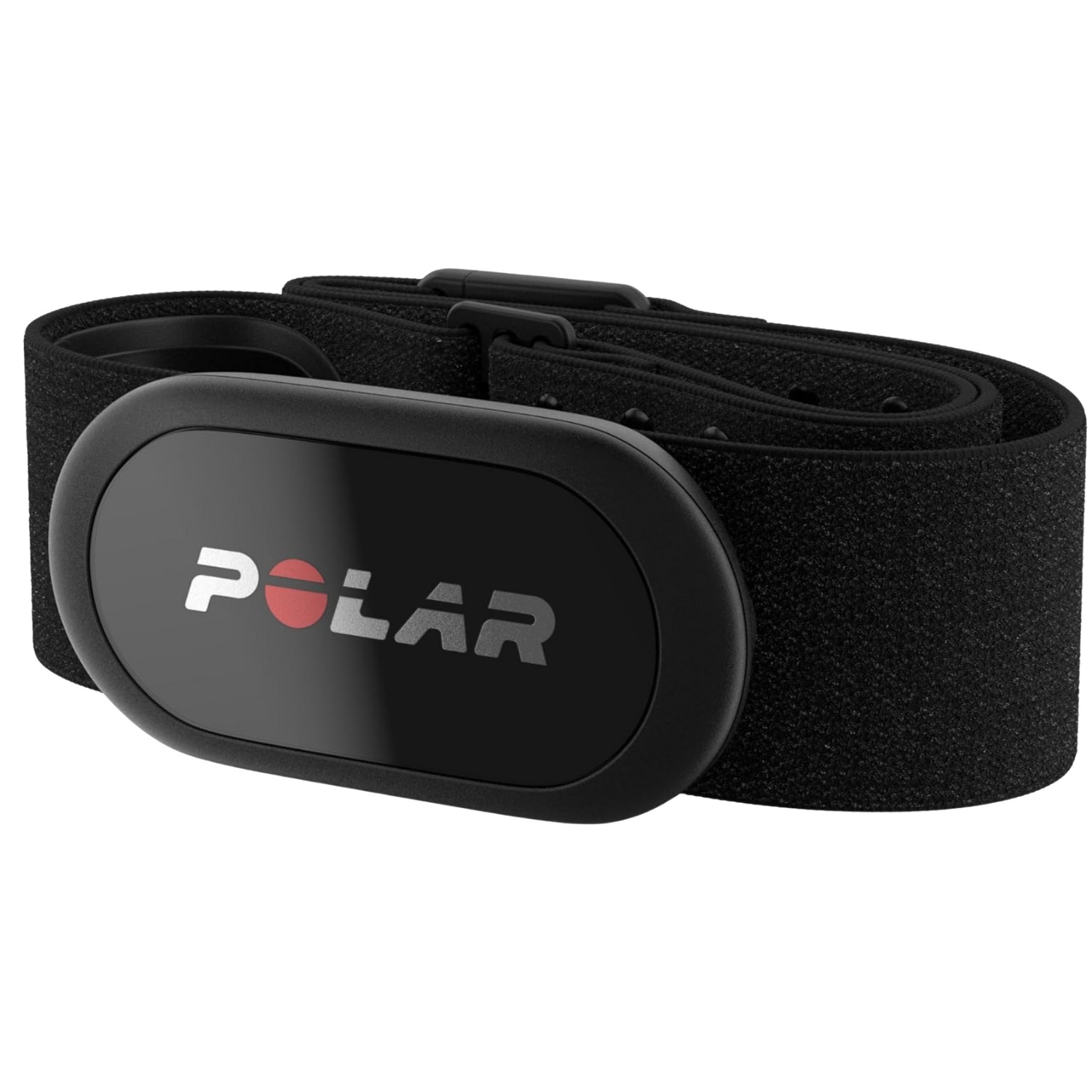
- Polar H10 Heart Rate Strap – Pairs with most watches and is super accurate for HR tracking.
- Fitbit Charge 5 – If you’re mainly a walker or occasional jogger, this is budget friendly and tracks basics well.
I usually recommend starting simple and upgrading only if you find yourself wishing for specific features. The flashiest device isn’t always the best fit for your habits. As you gain experience, you might find more advanced metrics or features worthwhile, like music storage or mapping tools.

Fitbit Charge 5
Polar H10 Heart Rate Strap
Coros Pace 4
Garmin Forerunner 55
Common Stumbling Blocks and How to Get Past Them
- Overtracing Progress: Watching your numbers swing week to week can add stress. I’ve learned to look at monthly trends rather than single runs to stay motivated. Zooming out helps spot the real gains rather than fixating on one bad or amazing day.
- Obsession With Calorie Burn: These numbers are mostly rough estimates. I use them as a loose indicator, not a daily target. Nutrition is important, but wearable calorie estimates can mislead you if taken too literally.
- Comparing to Others: Platforms like Strava are fun, but it’s easy to start judging your progress by someone else’s highlight reel. Run your own race and trust that steady improvements pay off. Social comparison can zap your motivation if you’re not careful.
- Fiddly App Setups: Syncing wearables can create headaches out of the box. When in doubt, check online forums or the device maker’s FAQ, they usually have troubleshooting tips.
The tech should work for you, not the other way around. If setup issues or syncing problems persist, don’t hesitate to ask for help from support, it’s all about keeping your routine smooth.
Real-World Stories: Data That Made a Difference
One of my best training breakthroughs came from tracking heart rate. I realized my “easy runs” were all way too hard. Slowing down felt awkward, but after a couple months, I started finishing longer runs stronger and needed fewer rest days. Learning to use HR as guidance made my sessions more productive and less exhausting. Another friend swore by cadence, once he started tweaking stride rate, his nagging injuries dropped off, and he started enjoying injury free training stretches. These small changes, triggered by the right stats, can lead to major improvements over time.
FAQ: Running Performance Tracking Wearables
Do I need GPS or will a basic step counter work?
For serious running, GPS is pretty handy so your mileage is spot-on. Step counters misjudge steps when your stride changes or you run with a different form. GPS devices are much better for mapping and analyzing your routes too.
Is heart rate tracking from the wrist accurate?
Wrist sensors are fine for most, but chest straps are better if you want reliable data, especially during intervals. For most training needs, wrist HR sensors are close enough, just be aware that cold weather or bumpy movement can cause blips.
How long do wearables last between charges?
Most GPS watches last 7–14 days in normal use, but only a few hours if the GPS is always on. Double-check before heading out on long adventures, and carry a charger or battery pack if you’re concerned about running out of juice.
Will all wearables work with my smartphone?
Pretty much all top brands have apps for iOS and Android, but extras like music storage aren’t always cross compatible. Check the fine print! Sync issues are rare these days, but looking up compatibility before buying helps you avoid disappointment.

Action Plan: Making the Most of Your Wearable
- Set up your device and connect it to the app before your first run. Test the sync once to make sure your stats transfer properly.
- Pick no more than 3 or 4 stats to watch for your first few months, like pace, distance, and heart rate.
- Set gentle goals, think “run 3 times per week,” not “beat my 5K time tomorrow.” Consistency really adds up over time.
- Review trends every month, not every day. It’s easier to spot progress and stay motivated if you zoom out a bit.
- Turn off notifications you don’t care about to keep things simple. Reducing digital noise can make each run more enjoyable.
Pulling It All Together
Focusing on the right run data makes training more fun and keeps the process stress-free. I run better (and feel way less overwhelmed) when my wearable tracks just the basics, freeing up brain space for the stuff that makes running enjoyable. Reviewing just the essentials is all most of us need to build consistency and celebrate steady gains.
My Take on Run Trackers
The magic of running performance tracking wearables comes from keeping things simple. Distance, time, pace, and heart rate are the pillars to rely on. Letting go of the “extra” data can remove pressure and actually give your results a boost. Start basic, track consistently, and let your evolving experience guide you. As you gain confidence, you may add a few more metrics, but the fundamentals always matter most.
If balanced movement and smarter habits sound like your jam, jump into my Weightletics newsletter. It’s where I share realistic tips for building a sustainable, fun fitness you’ll actually want to stick with. Subscribers get early access to new gear reviews, simple training plans, and honest advice from an everyday runner’s perspective.
If you’ve used any of these gadgets, or found certain data surprisingly helpful or unhelpful, I’d love to hear your story below. What’s helped you run better? Let your voice be part of the conversation and help others find their stride too.