 Dany
Dany Note: This article contains affiliate products. We earn a commission if you make a purchase, at no additional cost to you.
Focusing on core strength training brings real, lasting wins for posture and balance, offering a solid path to better movement, comfort, and energy. Slouched shoulders and imbalanced movement can sneak up on anyone, especially if you’re stuck at a desk or glued to your phone most days. The way your body carries itself says a lot about your health, mood, and even your confidence.
If you find yourself dealing with tightness, aches, or clumsiness beyond what feels normal, core strength training is a worthwhile place to start. Small changes in how you move and exercise can pay off with greater stability, better alignment, and a boost in how you physically feel day to day. Here’s how to get started, what to know, and the tools that can make the process a bit more fun and effective.
This article covers why core strength matters, practical moves for all levels, gear to help you along the way, extra ideas to keep things fresh, and tips for tracking your progress for real results. If core training sounds intimidating, don’t worry, this all-in-one guide breaks it down step by step so anyone can jump in regardless of experience.
What’s On The Menu
- TL;DR – Fast Facts on Core Strength, Posture, and Balance
- What Is Core Strength, and Why It's Important?
- How Core Strength Training Translates to Posture and Balance
- Easy Core Exercises to Try Right Now
- Helpful Gear for Boosting Core Strength at Home
- Tracking Progress and Staying Motivated
- The Big Takeaways About Core Strength
- FAQs: Core Strength, Posture, and Balance
- Start Improving Your Core, Posture, and Balance
- It All Starts at the Core, and That's No Joke
TL;DR – Fast Facts on Core Strength, Posture, and Balance
- Consistent core training helps you stand taller and move with more confidence.
- Targeted exercises, like planks, bird dogs, and bridge lifts, are pretty easy to add to any routine.
- Better posture means less discomfort and lower risk of injury, especially for people who sit a lot.
- Small equipment such as balance boards or resistance bands can crank up results without a huge investment.
- Commitment and mixing in some variety are keys to seeing differences you can actually feel and see.
What Is Core Strength, and Why It’s Important?
Your core is way more than just abs. It includes muscles wrapping around your midsection: abs, obliques, lower back, hips, pelvic floor, and even muscles that connect to your spine and rib cage. The whole setup keeps you balanced, stable, and upright, basically making almost every movement safer and smoother.
- Posture support: Your core helps hold a neutral spine, supporting your back and helping you dodge the slouch.
- Balance and stability: Walking, running, twisting, or just reaching for something all lean on your core to keep you steady.
- Movement power: Athletic moves, lifting, and even standing up from a chair depend on coordinated core muscles.
Ignoring core muscles can lead to weak posture, more falls, and nagging pain. Solid core strength is tied to less back pain and better movement in pretty much every age group. On top of that, a strong core acts as a base for everyday motions, whether that’s lifting groceries, reaching for a shelf, or simply maintaining energy during a long workday.
How Core Strength Training Translates to Posture and Balance
Battling poor posture and wobbly balance usually means looking for ways to get your core muscles involved often, not just for a few minutes a week at the gym but throughout your whole day. Stronger core muscles help you hold better form when sitting, standing, or moving around, making daily activities a lot less tiring. It also helps correct muscular imbalances that develop from one-sided activities or static positions, like hunching over a laptop every day.
Balance improves because a strong core acts like a stabilizing anchor. Rather than constantly overcorrecting with your ankles, knees, or arms, your midsection quietly and efficiently does the heavy lifting during every twist, switch up, or quick reach. That means fewer stumbles and better control if you trip over something or rush up the stairs.
Easy Core Exercises to Try Right Now
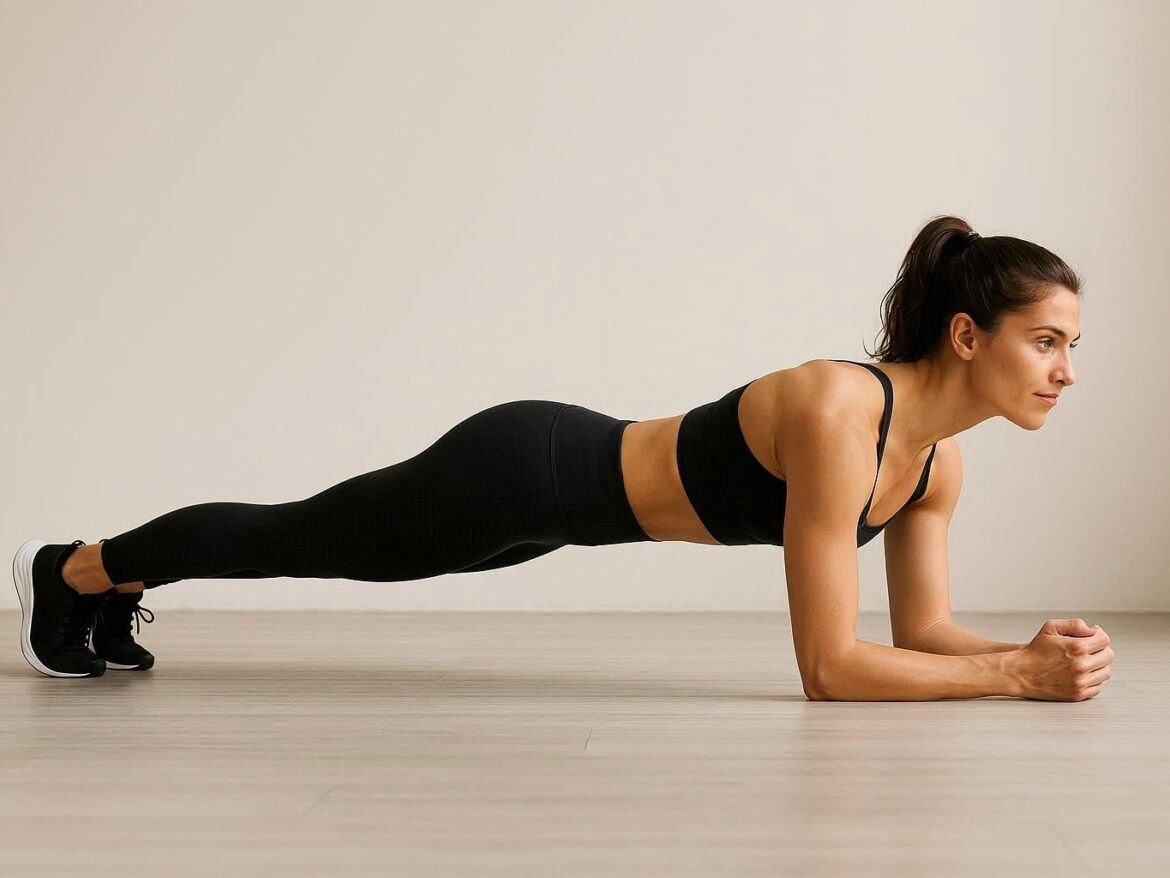
- Plank: Start with elbows and toes on the floor, keeping your body straight. Hold for 20–30 seconds and work up from there.
- Bird Dog: On all fours, reach opposite arm and leg straight out, keeping hips steady. Alternate sides, focusing on slow control.
- Bridge: Lie on your back with feet flat, knees bent. Lift hips to create a straight line from shoulders to knees, squeezing glutes and abs.
- Side Plank: Prop up on one elbow and the side of your foot, raising hips so your body is straight. Try 10–20 seconds per side at first.
Adding core moves to your existing workout, or just mixing them into breaks during the day, is a good way to start without overhauling your routine. If you are a beginners, check out my ab workout routines post for extra tips.
If you want a little more, try adding exercises like the “dead bug,” leg lifts, or bicycle crunches. These moves challenge both stability and coordination, rounding out your practice for better real-world core control. Remember, quality matters more than quantity. It’s always better to do four reps correctly than ten with sloppy form.
Helpful Gear for Boosting Core Strength at Home
- Stability Ball – Great for situps, balance work, and stretching tight muscles. Super easy to store when not in use.
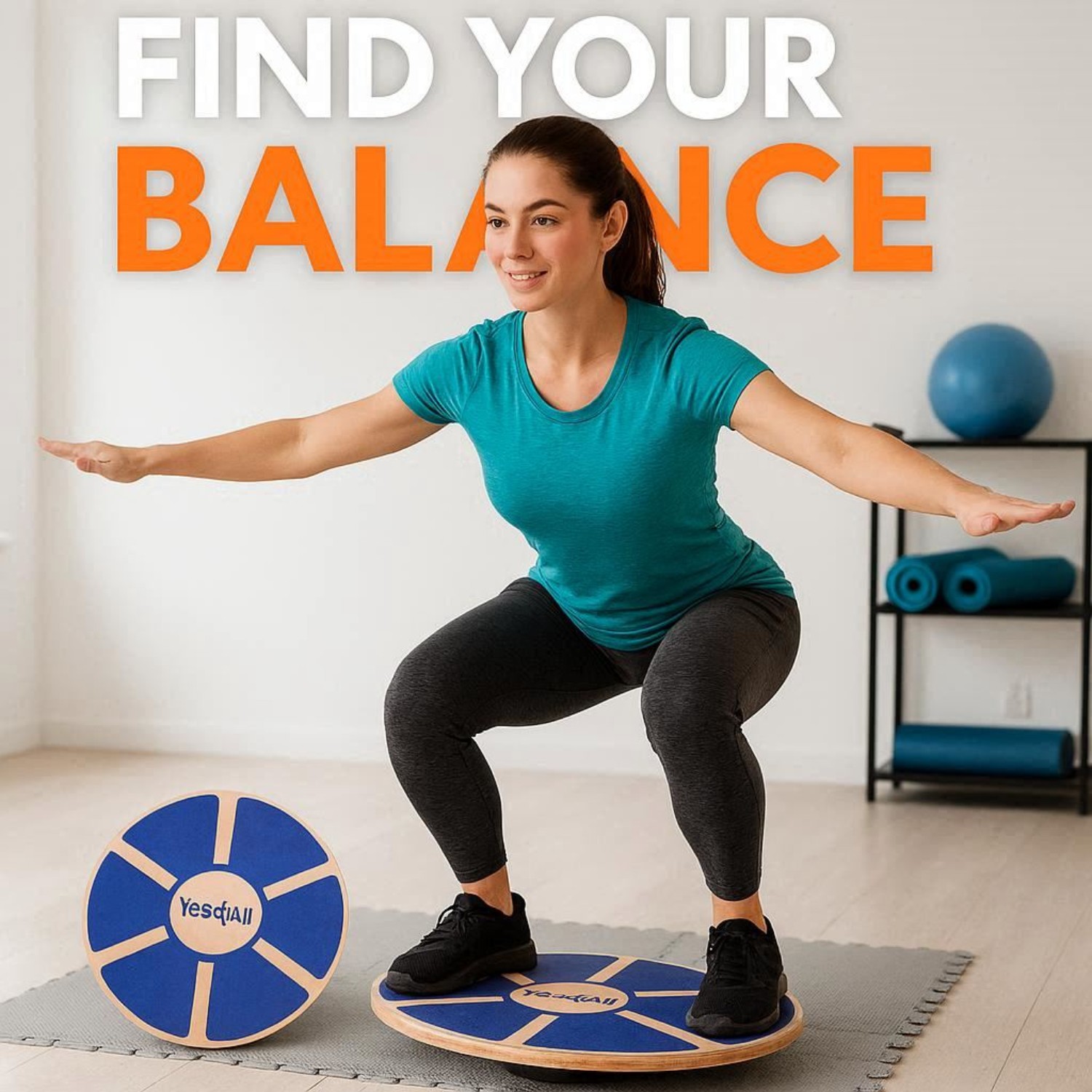
- Balance Board – Builds balance and ankle stability in a fun, challenging way.
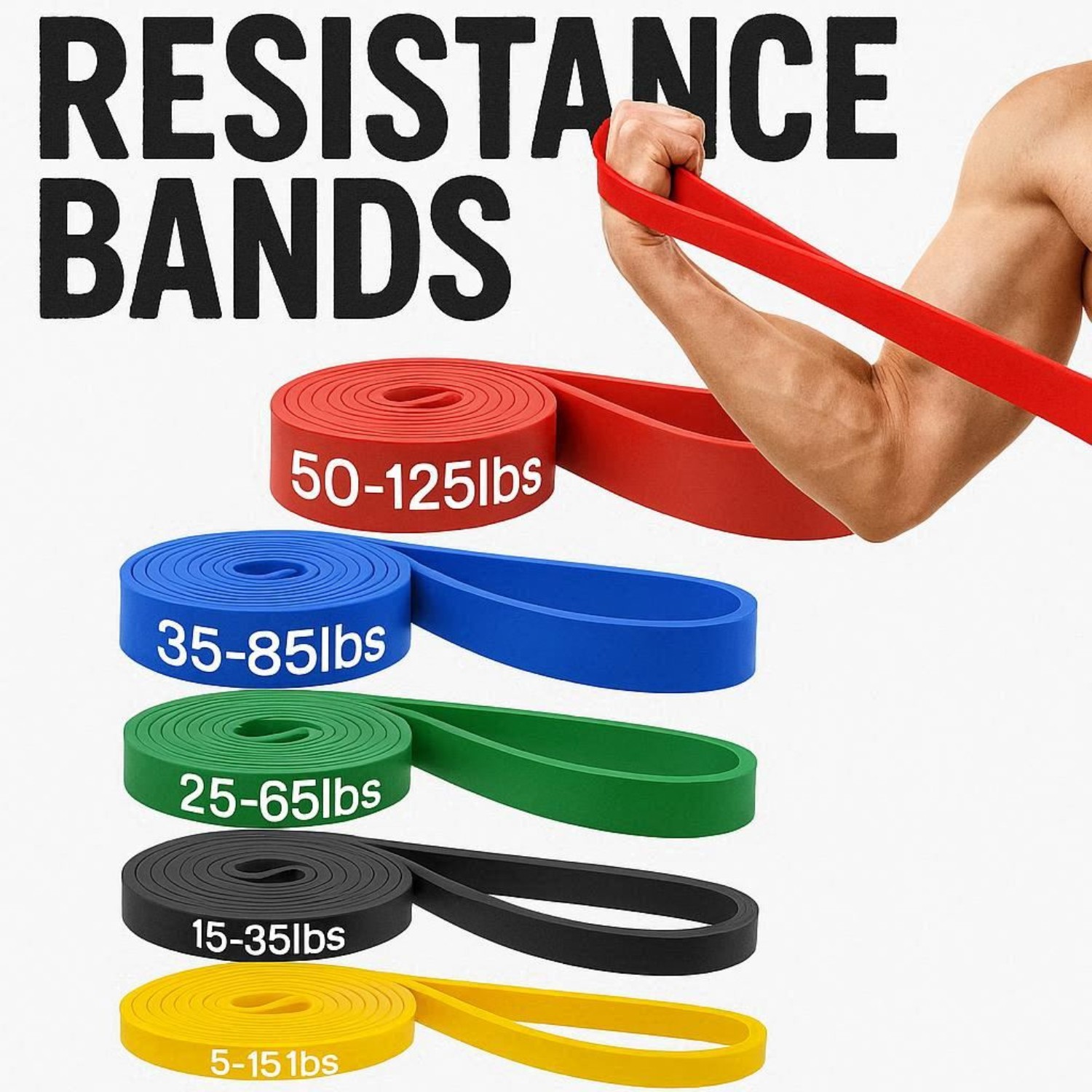
- Resistance Bands – Good for adding tension to traditional core moves like Russian twists or standing rotations.
None of these are required, but they’re inexpensive extras that keep things interesting and help keep boredom at bay. For more ideas or a bigger selection with reviews, checking out core strength equipment section, it is worth a look.
You can also make use of simple at-home items. For instance, a rolled towel can provide lumbar support for some moves, and a regular chair works for seated balance drills. Don’t think you need a fancy gym, it’s about consistency and challenging your core in new ways whenever possible.

Tracking Progress and Staying Motivated
Measuring core progress isn’t always about weight or visible abs. Notice how your everyday movement feels: Do you sit up straighter or walk with more confidence? Is your back less sore at the end of the day? Taking progress pictures, jotting down personal bests with plank times, or even asking a friend to check your posture can help you spot changes.
If you want to take things up a notch, creating a simple habit tracker or journaling workout wins can keep you moving in the right direction. Apps like MyFitnessPal or Strava are pretty handy for tracking workouts and giving you a little push when motivation dips. Setting short-term goals, like adding 10 extra seconds to your plank or holding a side plank with perfect form, makes the work satisfying and doable. Celebrate small wins along the way.
The Big Takeaways About Core Strength
- Core strength supports good posture and improves balance, which makes everyday movement feel better and safer.
- Regular exercises don’t need to be extreme, small, steady changes build results that last.
- Adding a couple pieces of budget friendly gear can make workouts more engaging and challenging.
- Pacing your progress and checking in on posture or balance keeps you going without getting discouraged.
If you want extra guidance, check out options like Wealthy Affiliate for building your own personal brand around fitness, CustomGPT.ai for AI-driven workout plans, or Benable to save and share your favorite fitness tools, programs, etc.
FAQs: Core Strength, Posture, and Balance
How much core work should I do each week?
Two to four short sessions a week is plenty to feel differences. Rest and mixing things up are both really important.
Will core strength fix my back pain?
Strengthening the core often tones down back discomfort, but always check with a healthcare pro if pain sticks around.
Does core work mean crunches are mandatory?
Not at all. Planks, bridges, and moves working the whole body can be even more effective for functional strength than endless crunches.
What if I can’t balance on a board or ball?
Start with basic floor exercises. As your core gets stronger, balance will naturally improve and you can try new tools at your own pace.
Is it okay to train core every day?
Core muscles need recovery like any other group. Mix up your routines and give yourself downtime, especially after intense sessions.
Start Improving Your Core, Posture, and Balance
- Pick one core exercise (like plank or bird dog) and add it to the end of your usual activity or routine.
- Set a reminder to check your posture while working or on your devices, a sticky note on your monitor works wonders.
- Try out one piece of simple equipment, such as a stability ball, to keep your core engaged in new ways.
- Keep tabs on how you feel throughout the week, less discomfort, better stamina, and maybe a mental boost too.
It All Starts at the Core, and That’s No Joke
Good posture and balance don’t come out of nowhere. They’re built on steady core strength, a bit of patience, and helpful tweaks to your routine. Personally, putting focus on my core turned standing tall and moving better into an everyday thing, not just a workout goal.
No need for perfection or expensive programs. Just a handful of targeted moves, some check-ins with how you feel, and a willingness to explore what works for you. If you stick with it, the difference goes way beyond looks, it’s about how you show up for yourself every day, feeling present, strong, and ready for whatever comes next.
If balanced movement and smarter habits sound like your jam, jump into my Weightletics newsletter. It’s where I share realistic tips for building a sustainable, fun fitness you’ll actually want to stick with. Subscribers get early access to new gear reviews, simple training plans, and honest advice from an everyday runner’s perspective.
Here’s a challenge for you: Which core move will you try out this week? Share your progress or drop your favorite tip for better posture in the comments.
Let’s help each other stand a little taller, one plank at a time.
You may like “10 Minute Ab Workout: Quick & Powerful Core Routine“