 Dany
Dany Note: This article contains affiliate products. We earn a commission if you make a purchase, at no additional cost to you.
Hormonal shifts are a real thing once you’re past 45. I’ve personally felt everything from wild sleep changes to mood rollercoasters and, honestly, some pretty stubborn belly fat. Hormones like estrogen, progesterone, cortisol, insulin, and thyroid all play a part in how I feel every day. If any of them fall out of line, the symptoms really stack up. Think fatigue you can’t shake, mood swings, irregular periods if you’re still cycling, intense PMS, restless sleep, and a dip in libido. Hormonal balance isn’t only about supplements, though. Lifestyle comes first, like eating well, moving your body, and reducing stress, but the right supplements can offer serious backup if you’re still feeling off.
What’s On The Menu
- TL;DR – Best Supplements for Hormonal Balance in Women 45+
- What Hormonal Balance Means and Why Everything Feels Different After 45
- What Causes Hormonal Imbalance in Women 45+
- Subscribe and get your FREE Supplements Checklist
- How Supplements Can Support Hormonal Balance
- Best Supplements for Hormonal Balance in Women 45+
- Supplements for Specific Hormonal Concerns
- Lifestyle Habits Worth More Than a Supplement Cabinet
- How to Choose Quality Supplements
- Potential Side Effects and Who Should Be Careful
- FAQs: Best Supplements for Hormonal Balance in Women
- Key Takeaways for Hormonal Health in Women 45+
TL;DR – Best Supplements for Hormonal Balance in Women 45+
If there’s one quick takeaway, it’s that not all supplements work the same for everyone, and finding what supports your unique body is key. Most women over 45 find magnesium, omega3s, vitamin D, and adaptogens like ashwagandha pretty handy. Still, step one is a chat with your health provider. I’ll go through the core symptoms, what really causes imbalances, and the best supplements that I, and a lot of women in this season of life, have found helpful.
What Hormonal Balance Means and Why Everything Feels Different After 45
When I mention “hormonal balance,” I’m talking about keeping estrogen, progesterone, cortisol, insulin, and thyroid hormones in that sweet spot. As levels naturally switch up in your 40s and 50s, symptoms can look like unexplained weight gain, especially around the middle, brain fog, irritability, and feeling wiped out even after sleeping. I know a lot of women who struggle with sleep and mood and wonder if it’s “just age.” It’s not just age, it’s about changing fuel and chemical messengers inside. Keeping things balanced means fewer surprises like sudden hot flashes, random stress spikes, or stubborn bloating. First thing I always stress: make sure to have the basics in check: diet, activity, stress management, before looking to pills.
What Causes Hormonal Imbalance in Women 45+
Here’s where things get interesting. Several sneaky lifestyle factors can start throwing things off:
- Chronic stress: Elevated cortisol ramps up belly fat, messes with sleep, and drains energy fast.
- Poor diet: Too many carbs or junk food spike blood sugar and keep your insulin struggling.
- Gut health issues: Bloating and irregular digestion can upend estrogen levels, too.
- Perimenopause and menopause: Fluctuating estrogen and progesterone cause classic symptoms like hot flashes and mood dips.
- PCOS: Affects cycles, weight, skin, and energy.
- Thyroid problems: Low or high thyroid changes how much energy you burn and how you feel mentally.
- Poor sleep: Not getting enough rest boosts stress hormones and sets you up for more cravings.
- Environmental toxins: Plastics, pesticides, and even certain cosmetics mess with how your body makes and clears hormones.
If you want to check out stress management or gut health, I’ve got deeper posts on those topics worth checking out. Carefully managing stress and gut health genuinely helps keep everything a bit smoother at this stage of life. These lifestyle factors stack up over time, so being aware and making small changes pays off. For example, switching to cleaner household products and whole foods can have wider benefits for your hormone balance.
Subscribe and get your FREE Supplements Checklist
How Supplements Can Support Hormonal Balance
Supplements aren’t magic fixes, but they help bridge gaps in your diet, encourage better nutrient absorption, and make it easier to adapt to life’s noisy moments. I use them to help with stress, encourage more restful sleep, and (honestly) to get my cravings under better control. They might improve insulin function, manage blood sugar swings, support liver detox, so hormones don’t recirculate, and promote steadier moods. I always check with my own practitioner about new supplements so I don’t create new issues, especially with prescription meds in play. Same advice goes for anyone else: don’t skip that step. Consider starting a supplement journal to track what you’re taking and how you feel, this can reveal patterns over several months that you might otherwise miss.
Best Supplements for Hormonal Balance in Women 45+
These are my go-to recommendations, with details on when they’re most helpful. I’ll also share some product links where you can compare brands and labels. Remember, making changes one at a time is best, you’ll be able to spot what actually makes a difference for you.
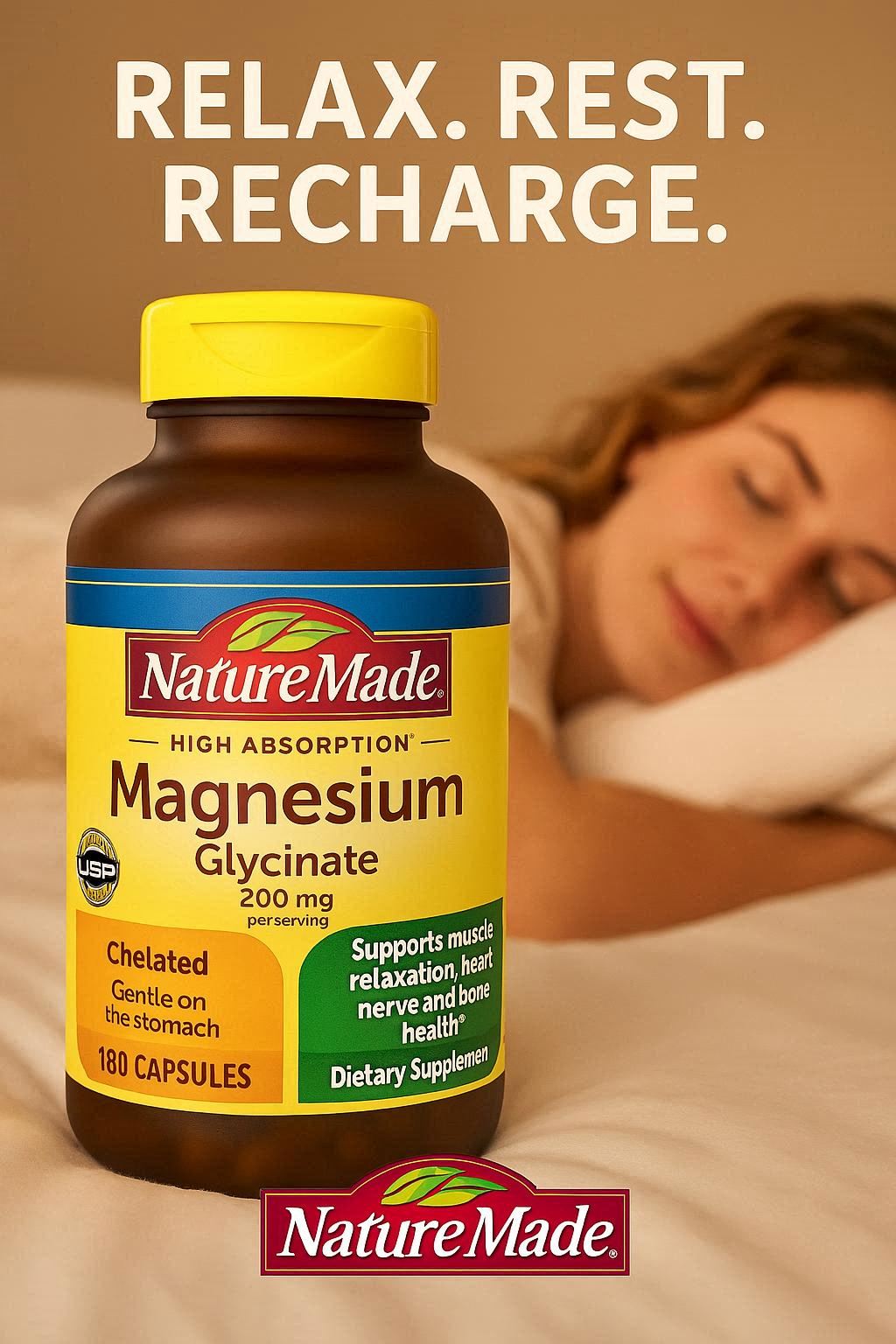
Magnesium (Threonate or Glycinate)
- What it does: Calms the nervous system, helps sleep, reduces cramps, and supports adrenal function.
- Best for: Stress, PMS, sleep issues.
- Weight balance: Calmer cortisol means less stress eating and easier weight management.
- Dosage: 200–400 mg/day.
- Who should be cautious: Those with kidney problems should double-check with their doctor.
- Shop magnesium glycinate
Omega3 Fatty Acids
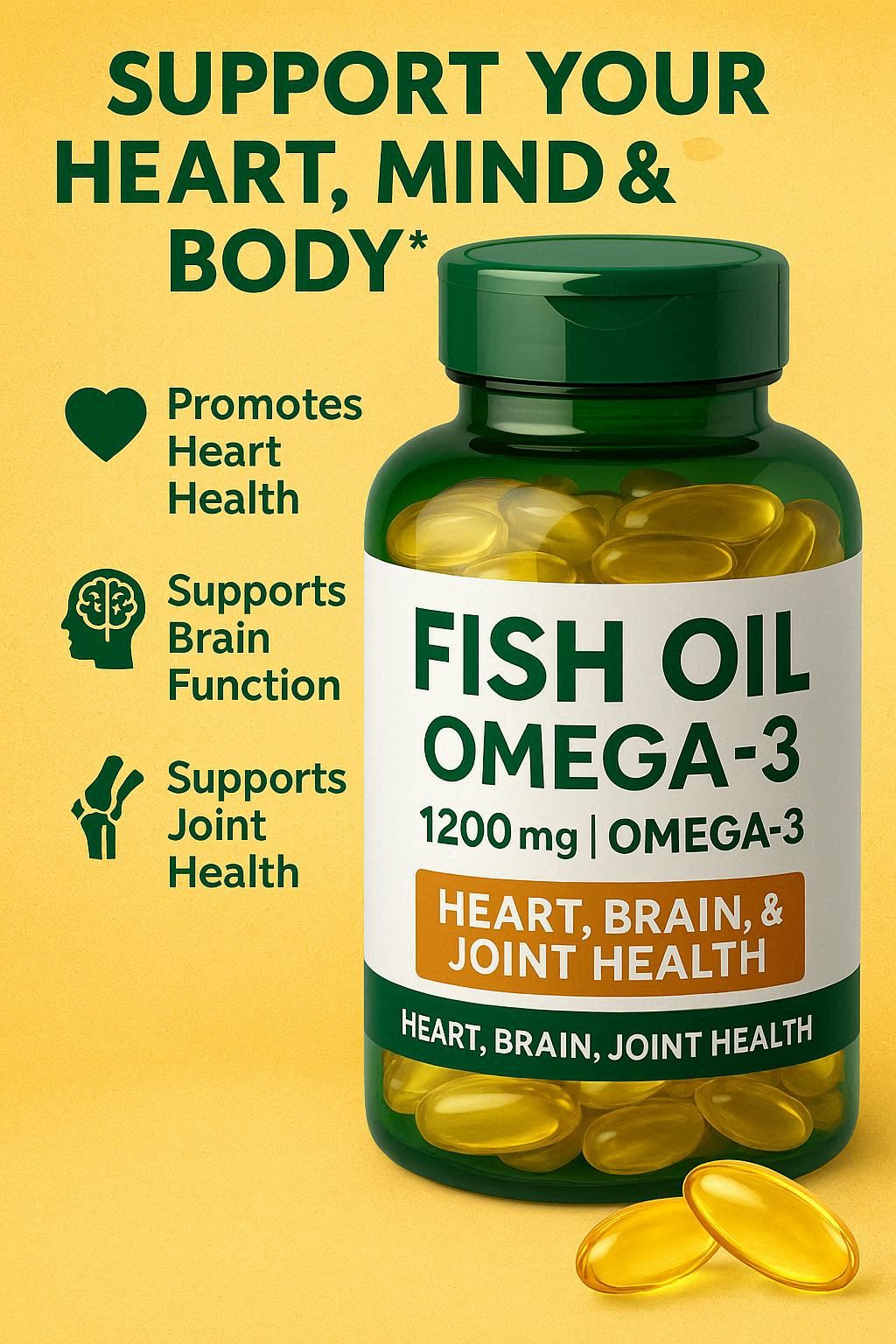
- What it does: Reduces inflammation, supports insulin and mood, can help level out hormones for those with PCOS.
- Best for: PMS, PCOS, mood swings.
- Weight balance: Supports healthy metabolism and lowers inflammationlinked weight gain.
- Dosage: 1,000–2,000 mg/day (combined EPA/DHA).
- Who should be cautious: Those on blood thinners or with fish allergies.
- Find omega3 options
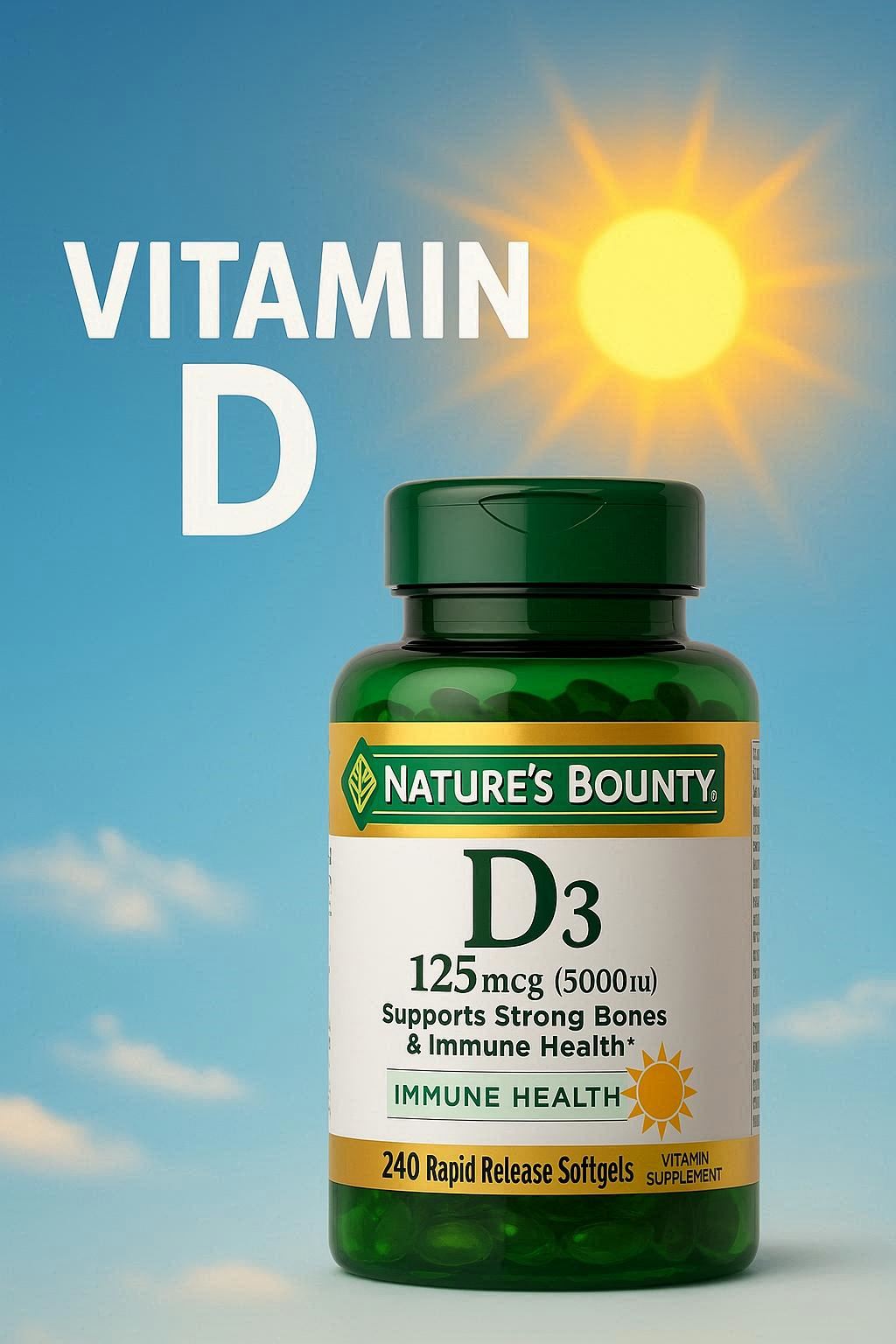
Vitamin D
- What it does: Important for estrogen balance, thyroid support, and mood regulation.
- Best for: Fatigue, low mood, immune support.
- Weight balance: Often lower in those with higher body fat, so it’s helpful for metabolism.
- Dosage: 1,000–5,000 IU/day, but check blood levels with your doc.
- Who should be cautious: Hypercalcemia or those with certain kidney conditions.
- Explore vitamin D supplements
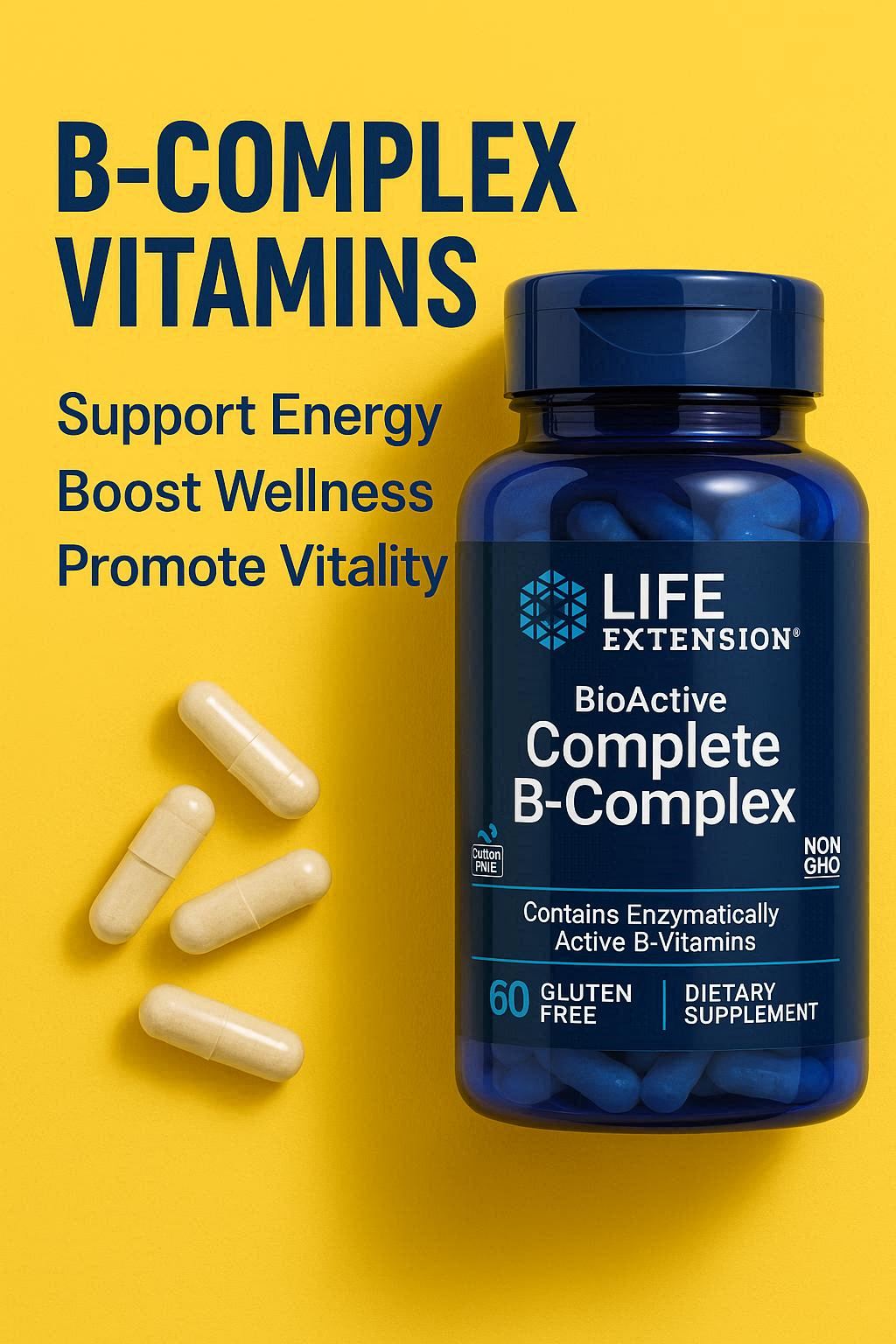
B Complex Vitamins
- What it does: Helps balance stress, supports detox of usedup estrogen, and improves energy.
- Best for: Fatigue, brain fog, stress.
- Weight balance: Boosts metabolism when combined with proteinrich foods.
- Dosage: Look for one with at least B6, B12, and folate included.
- Who should be cautious: Check with your provider if you have MTHFR mutation (some forms work better).
- Shop Bcomplex
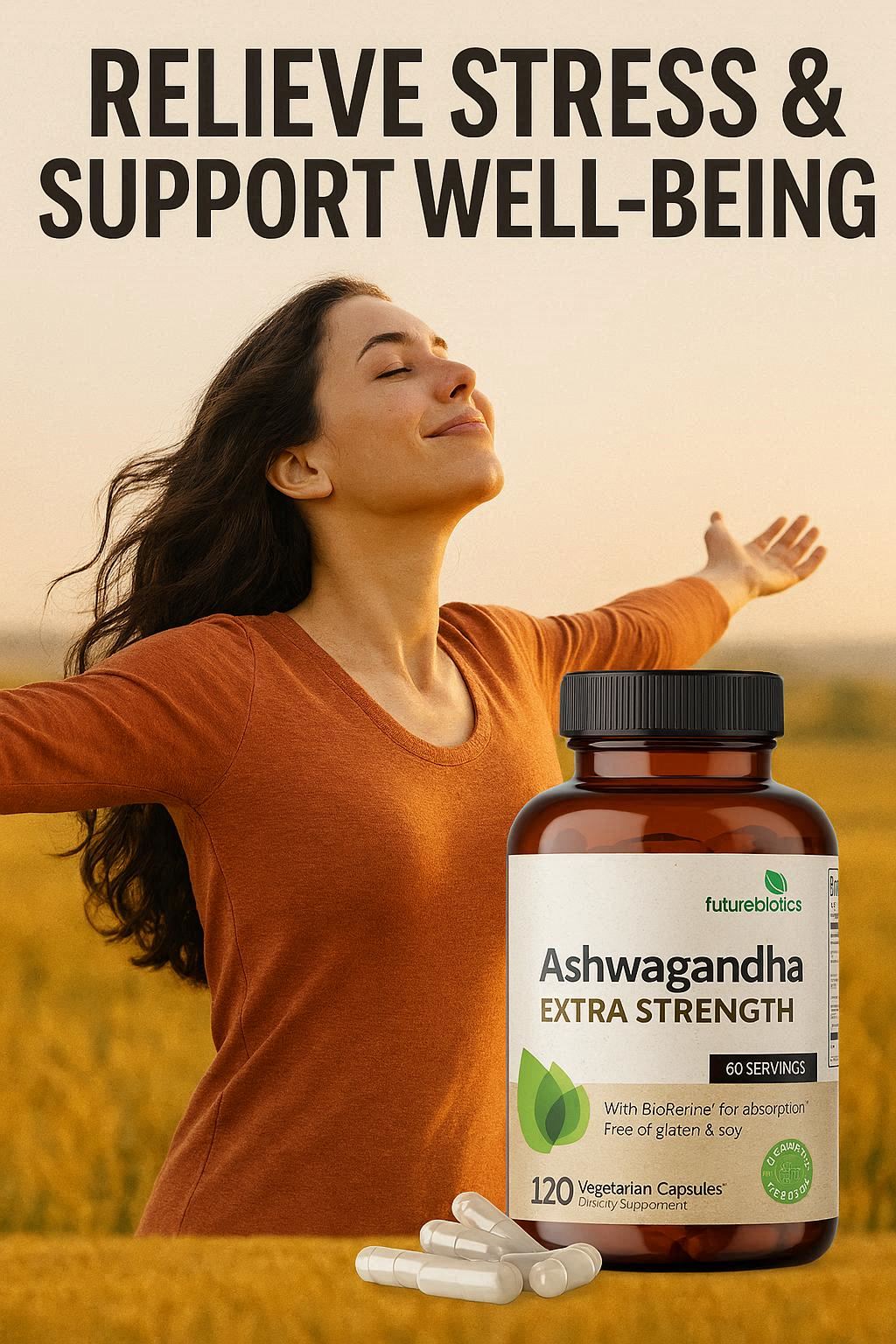
Ashwagandha
- What it does: Adaptogen that can lower cortisol and ease stress, may mildly boost low thyroid.
- Best for: High stress, trouble sleeping, burnout feelings.
- Weight balance: Supports less stressrelated weight gain.
- Dosage: 300–500 mg, once or twice daily.
- Who should be cautious: Avoid if pregnant or on thyroid hormone without a doc’s advice.
- Compare ashwagandha options
Maca Root
- What it does: Supports mood and libido, may ease hot flashes and other menopausal symptoms.
- Best for: Perimenopause, low drive, mood changes.
- Weight balance: Often used for increased energy.
- Dosage: 1,000–3,000 mg daily.
- Who should be cautious: Those with thyroid conditions due to potential goitrogenic effects.
- Maca root supplements
Inositol (MyoInositol)
- What it does: Supports healthy blood sugar and insulin, really helpful for PCOS.
- Best for: Irregular cycles, PCOS type symptoms.
- Weight balance: Can improve insulin sensitivity and cravings.
- Dosage: 2,000–4,000 mg daily.
- Who should be cautious: Always talk to your doctor if you have insulindependent diabetes or low blood sugar.
- Browse inositol supplements
Probiotics
- What it does: Improves gut barrier, which means better detox and less estrogen dominance.
- Best for: Digestive complaints, bloating, those who’ve been on a lot of antibiotics.
- Weight balance: Healthier gut bacteria help metabolism and may reduce bloating.
- Who should be cautious: Immunocompromised folks; check for dairyfree/soyfree if you have intolerances.
- Find probiotics

Zinc
- What it does: Helps progesterone, supports clear skin, and assists thyroid function.
- Best for: Acne, PCOS, immune health.
- Weight balance: Key in helping protein metabolism.
- Dosage: 10-30 mg/day (with food).
- Who should be cautious: Too much can upset your stomach or interact with antibiotics.
- Check zinc options

Supplements for Specific Hormonal Concerns
- PMS: Magnesium, B6, Omega3
- PCOS: Inositol, Omega3, Vitamin D, Zinc
- Menopause: Maca, Magnesium, Omega3, Vitamin D
- High Cortisol: Ashwagandha, Magnesium, Rhodiola
I built a quick checklist for my own symptoms, tracking what I tried and saw changes with, a practice I totally recommend doing for yourself. Taking notes, even just on your phone, helps you see what tweaks really work.
Lifestyle Habits Worth More Than a Supplement Cabinet
I know it’s tempting to stack up all the newest supplements, but I get my best results by sticking to these basics first:
- Consistent strength training or resistance exercise
- Higher protein intake (especially at breakfast)
- Keeping blood sugar steady, no skipping meals, more fiber, less refined carbs
- Turning off screens before bed, and building a better sleep routine
- Managing stress through meditation, walks, or creative outlets
- Dropping ultraprocessed foods wherever possible
Supplements work best when paired with all this. If you want to take your knowledge up a notch, check my Benable recommendations.
How to Choose Quality Supplements
- Stick to brands with third party testing (like NSF, USP, or ConsumerLab).
- Avoid mystery “proprietary blends”, transparency matters.
- Look for bioavailable forms: for example, magnesium glycinate, methylated B vitamins, zinc picolinate.
- Skip fillers like titanium dioxide or artificial dyes.
- Add one new supplement at a time; makes tracking results easier.
Check out independent sources like Labdoor or ConsumerLab if you want to get nerdy about what’s inside each capsule. Reading reviews and talking to friends who’ve tried certain products can help cut through the confusion, too.
Potential Side Effects and Who Should Be Careful
- Pregnancy: Some adaptogens and highdose vitamins aren’t suitable, chat with your OB first.
- Thyroid medication: Some supplements, like ashwagandha and zinc, can interact with meds, so space doses apart and confirm with your endocrinologist.
- Blood pressure meds: Some herbals, like maca or ashwagandha, might affect medications, so always good to double check.
- Hormonal birth control: St. John’s wort and other botanicals can mess with effectiveness.
Basically, safety first. Always check in with your own clinician before making any big changes, especially if you’re on prescription meds. A quick conversation can save weeks of stress or mistakes later.
FAQs: Best Supplements for Hormonal Balance in Women
What is the best supplement for hormonal imbalance?
Based on both studies and what I’ve seen work, magnesium and omega3s are common go-tos, but what works best is personal.
Can supplements help balance estrogen naturally?
Yes, things like probiotics, magnesium, and cruciferous veggies (with DIM) all support natural estrogen metabolism, which is good for managing hot flashes and PMS.
How long does it take for supplements to work?
For most people, it’s two to three cycles (roughly two to three months) before bigger changes show up. Sometimes sleep and mood shifts are faster.
Are hormonal balance supplements safe?
Generally, yes. When used as directed and with your doc’s okay. Read the ingredient lists and don’t go above recommended doses.
Can supplements help with hormonal weight gain?
They support your other efforts, like eating smarter and moving more, by helping with cravings, energy, and better sleep. They’re not going to erase habits, but they do support the process.
Key Takeaways for Hormonal Health in Women 45+
Hormones react best to consistency. Regular meals, solid sleep, daily movement, and targeted supplements all add up over time. I’ve had the best luck by keeping my plan simple, checking labs sometimes, and updating my approach when needed. Don’t worry about perfection, just focus on making steady improvements week by week. Stay open to adjusting things if symptoms change or life gets busier.
If you want an easy to follow hormone checklist and weekly real world tips, sign up for my email list.
Get Weekly Wellness and Natural Health Advice
If you loved these recipes and want smarter, kinder ways to live well (herbal tips, gentle nutrition hacks, mindful habits), join my Natural Health & Wellness Substack newsletter, it’s FREE, supportive, and deeply practical.
There are no quick fixes. Real hormonal balance comes from steady choices, knowing what you need, and giving your body a bit of grace on the harder days. Ready to take a real look at your daily habits and stack the odds in your favor? Jump in, tweak as you go, and keep it real. Your future self will appreciate the effort; I’m cheering you on!