

 Dany
Dany Note: This article contains affiliate products. We earn a commission if you make a purchase, at no additional cost to you.
Many women reach their mid-40s and suddenly notice the scale creeping up even though their diet and workouts haven’t changed. Jeans fit tighter, belly fat appears out of nowhere, and the strategies that worked for years suddenly stop working.
The reason often comes down to hormones. During perimenopause and menopause, shifts in estrogen, progesterone, insulin, and cortisol can dramatically affect metabolism, fat storage, and appetite.
- Why Weight Gain Often Happens After 45
- Key Hormones That Affect Weight Gain in Women Over 45
- Subscribe and get your FREE Supplements Checklist
- Signs Hormonal Changes Are Causing Weight Gain After 45
- How Hormones Change Fat Storage and Cause Belly Fat After 45
- Natural Ways to Balance Hormones and Prevent Weight Gain After 45
- Supplements That May Support Hormonal Balance
- When to Talk to a Healthcare Professional
- Summary
- Frequently Asked Questions
- Hormonal Health Action Plan
- Keep It Simple, Listen In, and Take the Next Step
TL;DR: Weight gain for women over 45 is common, thanks to switching hormones. Key players like estrogen, progesterone, insulin, and cortisol change how your body stores fat, burns energy, and regulates appetite. Understanding these changes, supporting your hormones with smarter habits, and knowing when to get support can help keep your weight in a healthy, happy place.
Why Weight Gain Often Happens After 45
Turning 45 doesn’t come with an off-switch for your metabolism, but it’s definitely a turning point. Here’s what’s going on under the hood:
- Slower metabolism: Muscle mass naturally drops with age, so the body burns fewer calories at rest.
- Hormonal shifts: Perimenopause causes unpredictable hormone swings, and menopause means estrogen and progesterone drop off.
- Insulin resistance: Cells become less responsive to insulin for many, making it easier to store fat and harder to burn it.
- Lifestyle adjustments: Sleep may be shorter or more restless, stress might spike, and physical activity can dip (between work and caring for family, downtime is rare).
Hormones don’t just change the number on the scale; they also change where you gain weight. Many women see fat shifting from hips or thighs to the belly and waist area. Metabolic changes can mean the same foods and routines no longer do the job they used to.
Key Hormones That Affect Weight Gain in Women Over 45
I’ve found it’s much easier to feel in control when you actually know what’s happening. Here are the main hormones doing the heavy lifting (or, sometimes, heavy storing):
- Estrogen: This hormone starts dropping during perimenopause. Low estrogen encourages your body to switch fat storage from your hips and thighs to your belly. Lower estrogen also slows metabolism, so you burn fewer calories daily.
(Read more about estrogen and metabolism) - Progesterone: Like estrogen, progesterone drops, too. Lower levels can cause bloating and more water retention, even if your weight hasn’t changed much on paper.
- Insulin: Insulin helps control blood sugar. Insulin resistance, more common after 45, means your body gets less efficient at handling sugar, storing more as fat, especially around the middle.
- Cortisol: This is the main stress hormone. When stress is ongoing and cortisol stays high, it encourages the body to store more fat in the abdominal area and can even increase cravings for sugary or high-carb foods.
- Thyroid hormones: Thyroid function may slow over time, which can leave you tired, sluggish, and struggling to lose weight even if you’re trying.
Subscribe and get your FREE Supplements Checklist
Signs Hormonal Changes Are Causing Weight Gain After 45
If you’ve noticed changes that don’t add up, hormonal shifts may be the culprit. Some super common symptoms women over 45 describe are:
- Belly fat gain or pants fitting differently (even if weight is the same)
- More sugar cravings or feeling hungrier than before
- Fatigue and lower energy, even with good sleep
- Difficult time losing weight with your usual methods
- Trouble falling asleep or staying asleep
- Mood swings, low motivation, or an “off” feeling mentally
Don’t brush these off; paying attention to subtle shifts can help you tune in before weight gain gets harder to manage.
How Hormones Change Fat Storage and Cause Belly Fat After 45
Before 45, women are more likely to store fat in the hips and thighs, which is considered less risky for health. With menopause and aging, fat storage moves to the belly. Why does this matter? Abdominal fat (or visceral fat) is linked with higher risk for diabetes, heart disease, and more, so it’s worth being proactive.
Beyond where fat lands, hormonal shifts slow muscle gains and ramp up hunger hormones like ghrelin or lower fullness hormones like leptin, so cravings can feel more intense. Meanwhile, the body becomes more reactive to stress, and stress eating is suddenly a whole thing. I started tracking my moods and cravings in my 40s and noticed patterns tied to busy weeks, changes in routines, or even just lack of sleep.
After menopause, the body tends to store more visceral fat, which is fat stored around internal organs in the abdominal area. Unlike fat stored on the hips or thighs, visceral fat is linked to higher risks of heart disease, insulin resistance, and metabolic syndrome. This shift is largely driven by declining estrogen levels and changes in how the body regulates blood sugar and stress hormones.
Natural Ways to Balance Hormones and Prevent Weight Gain After 45
I focus on strategies that help both hormones and whole-body health. Here’s what consistently makes a real-world difference, backed by my own experience and research:
- Prioritize blood sugar balance: Eating protein at each meal keeps hunger steady. Add fiberrich veggies (broccoli, greens, carrots) and healthy fats like olive oil, nuts, or avocado. Lowering refined carbs helps, too.
- Strength training: Muscle burns more calories and keeps metabolism humming. I’m a big fan of short, regular bodyweight workouts or resistance bands. Even 2-3 sessions per week helps. Explore my post on strength training that improves posture and balance.
- Manage stress: Mindful breathing, yoga, or even just music can help lower cortisol levels. I keep a gratitude journal and walk outside almost every day.
- Better sleep: A cool, dark room and regular bedtime routine makes a big difference. If hot flashes or anxiety wake you up, check if caffeine or latenight screens are making things worse.
If you’re building a healthy routine, these basics do the heavy lifting for hormone health. I like vitamin D supplements (especially in winter), and magnesium helps with sleep and stress, too.
Supplements That May Support Hormonal Balance
Some nutrition gaps are common after 45, but a few supplements may help keep hormones in check while supporting metabolism:
- Magnesium: Supports muscle function, stress relief, and sleep
- Omega-3 fatty acids: Help manage inflammation and support brain health
- Vitamin D: Linked with healthy metabolism and immunity
- Adaptogenic herbs: Things like ashwagandha or rhodiola have been used to support healthy cortisol levels
- Myoinositol: This may help with insulin sensitivity
Everyone’s needs are unique, so consider talking to a health professional before adding new supplements. You can also explore my guide on natural supplements for hormone balance to learn which nutrients support metabolism during menopause.
The 5 Hormones That Influence Weight Gain After 45
- Estrogen
- Progesterone
- Insulin
- Cortisol
- Thyroid hormones
When to Talk to a Healthcare Professional
If things change fast or it feels like nothing helps, check in with your doctor, especially if:
- You see rapid weight gain (10+ pounds in a few months)
- Energy crashes are affecting daily life
- There’s a family history of thyroid or metabolic disease
- Menopause symptoms are stopping you from living well
Blood tests can spot thyroid issues, insulin resistance, or vitamin deficiencies that might be getting in your way.
Summary
After 45, hormone changes are a main reason for extra pounds, especially around the middle. Switches in estrogen, progesterone, insulin, and cortisol all change how your body stores and burns fat. Paying attention to sleep, stress, and muscle maintenance goes a long way to balancing hormones naturally. Supplements can help, but check with a health pro if changes come out of nowhere. A practical, personalized approach wins over trend diets every time.
Some readers ask what tools I use to organize my health research and wellness resources. Here is my supplements and vitamins curated list.

Frequently Asked Questions
What causes weight gain in women over 45?
Most often, it’s a combo of dropping (and unpredictable) estrogen and progesterone, slower metabolism, more insulin resistance, higher cortisol, and lifestyle changes like less activity or broken sleep. All of these make it easier to gain weight and harder to lose it.
How to lose hormonal belly fat after 40?
It’s about keeping blood sugar steady, building muscle, getting good sleep, and managing stress. Replace lots of refined carbs with more protein, fiber, and healthy fats. Strength training 3 times a week and focusing on stress relief work better than just cutting calories.
What happens to women’s hormones at 45?
Estrogen and progesterone start dropping, sometimes in waves (perimenopause) before falling steadily in menopause. Insulin and cortisol swings may get stronger, and the thyroid may slow down. All of these can make you feel off, tired, moody, or hungrier than usual.
How to fix perimenopause weight gain?
Look at your routines; protein at meals, regular resistance training, and finding ways to relax make a big difference. Focus on sleep, limit added sugars, and if symptoms are tough, talk to your doctor to rule out thyroid or other medical causes.
Why do women gain belly fat during menopause?
During menopause, estrogen levels decline significantly. Lower estrogen shifts fat storage away from the hips and thighs and toward the abdominal area. At the same time, metabolism slows slightly and insulin sensitivity may decrease, which can make belly fat easier to gain and harder to lose.
Hormonal Health Action Plan
- Start a daily food and mood journal for two weeks. Notice patterns with hunger, energy, and sleep.
- Add protein to each meal and swap in more vegetables for starchy carbs.
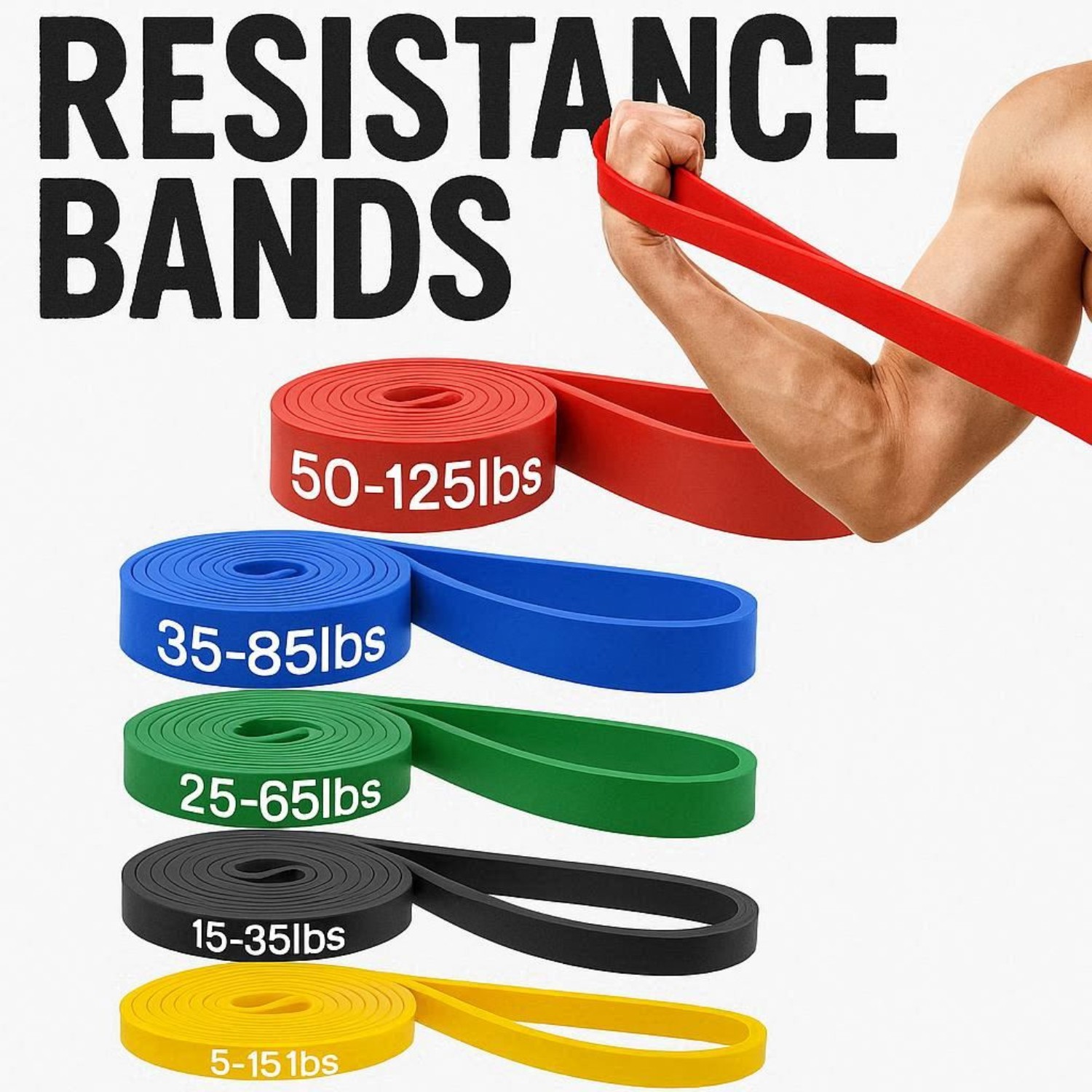
- Begin simple strength training (bodyweight or resistance bands, check out resistance bands on Amazon that I use myself).
- Commit to a stress relief ritual, like 10 minutes outside daily.
- Set a bedtime that allows for at least 7 hours of sleep; cut screens 30 minutes before.
- If changes aren’t working after a month, or symptoms get worse, talk to your doctor and ask about hormone or thyroid tests.
Keep It Simple, Listen In, and Take the Next Step
Hormonal changes after 45 are a normal part of life, but understanding how hormones affect metabolism and fat storage can make weight changes feel far less frustrating. By focusing on sleep, stress management, strength training, and balanced nutrition, many women can support their hormones and maintain a healthy weight.
Start with one or two habits for a couple of weeks; keep it realistic! If something feels off or nothing helps, get support. Remember, what works for you won’t look exactly like anyone else’s plan. Challenge yourself: try the food/mood journal and add two strength workouts next week. Watch for changes, not just on the scale, but in your mood and energy.
I’d love to hear how things go for you and what’s made the biggest difference! Subscribe to my Natural Health & Wellness Substack newsletter for more real talk about sustainable weight management, hormone health, and simple routines that work in real life. It’s FREE!
Ready to outsmart your hormones and jumpstart confident, balanced weight loss? Check out my Weightletics toolkit for proven routines, recipes, and the latest hormone science.
Don’t forget, you can also use build a blog and share your own wellness adventure with others.
Drop your questions or your story below; I respond to every comment myself. Change starts with knowing what’s happening. I can’t wait to hear from you!
Medical Disclaimer:
This article is for educational purposes only and does not replace medical advice from a qualified healthcare professional. Always consult your doctor before making changes to your diet, supplements, or exercise routine.